
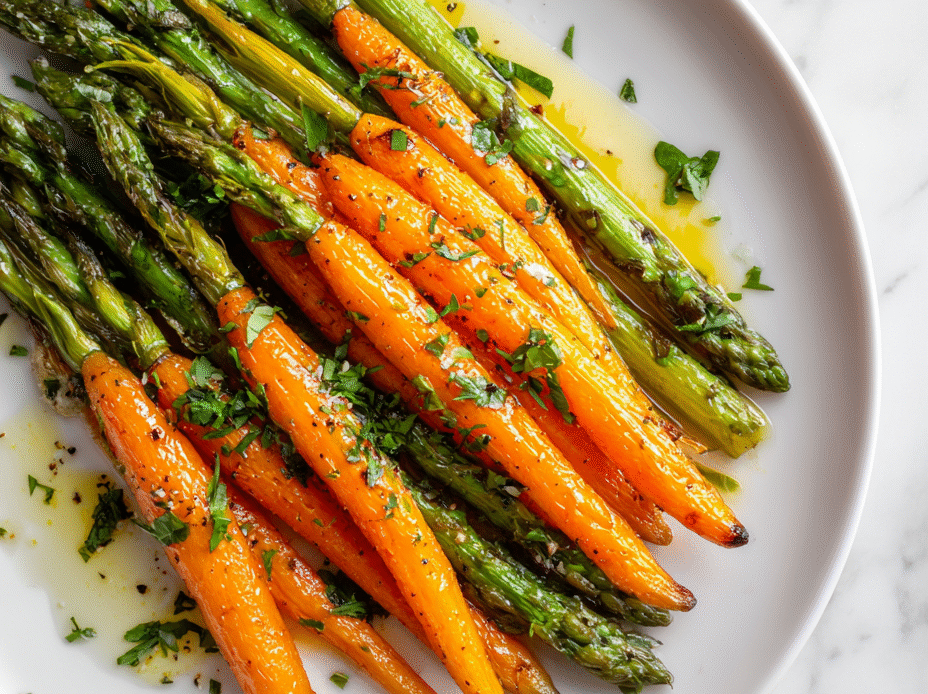
This roasted carrots and asparagus recipe is all about celebrating the simple beauty of seasonal produce. I love how the caramelized sweetness of carrots pairs with the crisp, tender asparagus—each bite a little dance of flavors. It’s the kind of dish that feels both rustic and elegant, perfect for spring dinners or a quick, nourishing side.
What really draws me in is the way the roasting process transforms these humble veggies. The slow heat deepens their natural sugars while keeping the asparagus bright and fresh. It’s honest cooking—no fuss, just good ingredients treated with care, and it somehow makes everything taste better.
Focusing on the harmony of sweet carrots and tender asparagus, this recipe emphasizes balancing caramelized depth with fresh, bright notes, making it a perfect springtime side that feels both rustic and refined.
The inspiration behind this dish
- This dish came together one spring when I wandered into my local farmers’ market, eyes wide for bright produce. I grabbed the carrots and asparagus almost on instinct, but it was the moment I roasted them that everything clicked. The way the caramelized edges and tender stems complemented each other felt like a little revelation—simple, honest, real.
- I remember a dinner with friends where I threw this together last minute. The smell of roasted veggies filling the kitchen, everyone leaning in to take a bite. It’s one of those recipes that reminds me how much flavor you get from just a few good ingredients and a hot oven, no fuss needed.
- heading:
Ingredient breakdown: key components
- Carrots: I love how their natural sweetness deepens in the oven, turning into a smoky, oozy caramel. Use firm, fresh carrots—skip the limp ones to avoid watering down the dish.
- Asparagus: Tender yet crunchy, I prefer thicker spears so they keep structure during roasting. If yours are thin and delicate, watch for overcooking—remove when they just turn vibrant green and give a slight jiggle.
- Olive oil: I use a good extra virgin for a fruity, rich flavor that enhances the roasting. If you want lighter, swap for avocado oil without losing that gentle crispness.
- Salt & pepper: I like sea salt flakes for crunch and flavor. Don’t skimp—season generously before roasting. Freshly cracked pepper adds a peppery kick that’s essential.
- Lemon juice: Brightens everything up—spritz fresh lemon right after roasting. If you’re out, a splash of vinegar adds a similar zing, but lemon keeps it lively and fresh.
- Optional herbs: I love a sprinkle of thyme or rosemary—adds earthy aroma. Dried herbs work too, but fresh gives a more vibrant, herbal punch.
- Balsamic glaze: A drizzle at the end transforms the dish with a sweet acidity. Use sparingly—just a few drops to avoid overpowering the natural flavors.
Spotlight on key ingredients
Carrots:
- I love how their natural sweetness deepens in the oven, turning into a smoky, oozy caramel. Use firm, fresh carrots—skip the limp ones to avoid watering down the dish.
- Asparagus: Tender yet crunchy, I prefer thicker spears so they keep structure during roasting. If yours are thin and delicate, watch for overcooking—remove when they just turn vibrant green and give a slight jiggle.
Olive oil & seasonings:
- Olive oil: I use a good extra virgin for a fruity, rich flavor that enhances the roasting. If you want lighter, swap for avocado oil without losing that gentle crispness.
- Salt & pepper: I like sea salt flakes for crunch and flavor. Don’t skimp—season generously before roasting. Freshly cracked pepper adds a peppery kick that’s essential.
Notes for ingredient swaps
- Dairy-Free: Olive oil works perfectly here; skip butter for a lighter, plant-based option that still crisps beautifully.
- Vegan: Swap honey for maple syrup to enhance caramelization without animal products—adds a subtle sweetness that complements the roasted veggies.
- Gluten-Free: Ensure your balsamic glaze is gluten-free; many brands are, but it’s worth checking for that smoky, tangy drizzle.
- Herb Variations: Fresh thyme or rosemary can be swapped for dried versions—just use half as much to avoid overpowering the delicate flavors.
- Acid Brightening: Lemon juice can be replaced with a splash of apple cider vinegar or white wine vinegar for a similar zing but with a slightly different nuance.
Equipment & Tools
- Baking sheet: To hold vegetables and ensure even roasting.
- Parchment paper: Keeps the tray clean and prevents sticking.
- Mixing bowls: For tossing vegetables with oil and seasonings.
- Tongs: To turn vegetables easily without breaking them.
Step-by-step guide to roasting
- Preheat your oven to 200°C (390°F).
- Gather your equipment: baking sheet, parchment paper, mixing bowls, tongs.
- Wash and peel the carrots; cut into uniform 2-inch sticks for even roasting.
- Trim the tough ends of the asparagus; leave the spears whole if thick, cut thinner ones in half.
- In a bowl, toss carrots and asparagus with 2-3 tablespoons of olive oil, ensuring even coating.
- Season generously with sea salt and freshly cracked black pepper—don’t be shy.
- Spread the vegetables in a single layer on a parchment-lined baking sheet.
- Roast in the oven for 20-25 minutes, flipping halfway through.
- Watch for caramelized edges on carrots and vibrant green color on asparagus—these are your cues.
- Once done, remove from oven and let rest for 2 minutes to settle the flavors and slight carryover cooking.
- Finish with a squeeze of fresh lemon juice or a drizzle of balsamic glaze for brightness.
- Serve warm, garnished with herbs if desired.
Let the roasted vegetables rest for 2 minutes. Finish with lemon juice or balsamic, then plate immediately while warm. Garnish with herbs if you like.
How to Know It’s Done
- Carrots should be deeply caramelized and slightly crispy around edges.
- Asparagus tips should be tender but still hold their shape, with a bright green hue.
- Vegetables should smell sweet and smoky, with a slight crackle when you stir them.
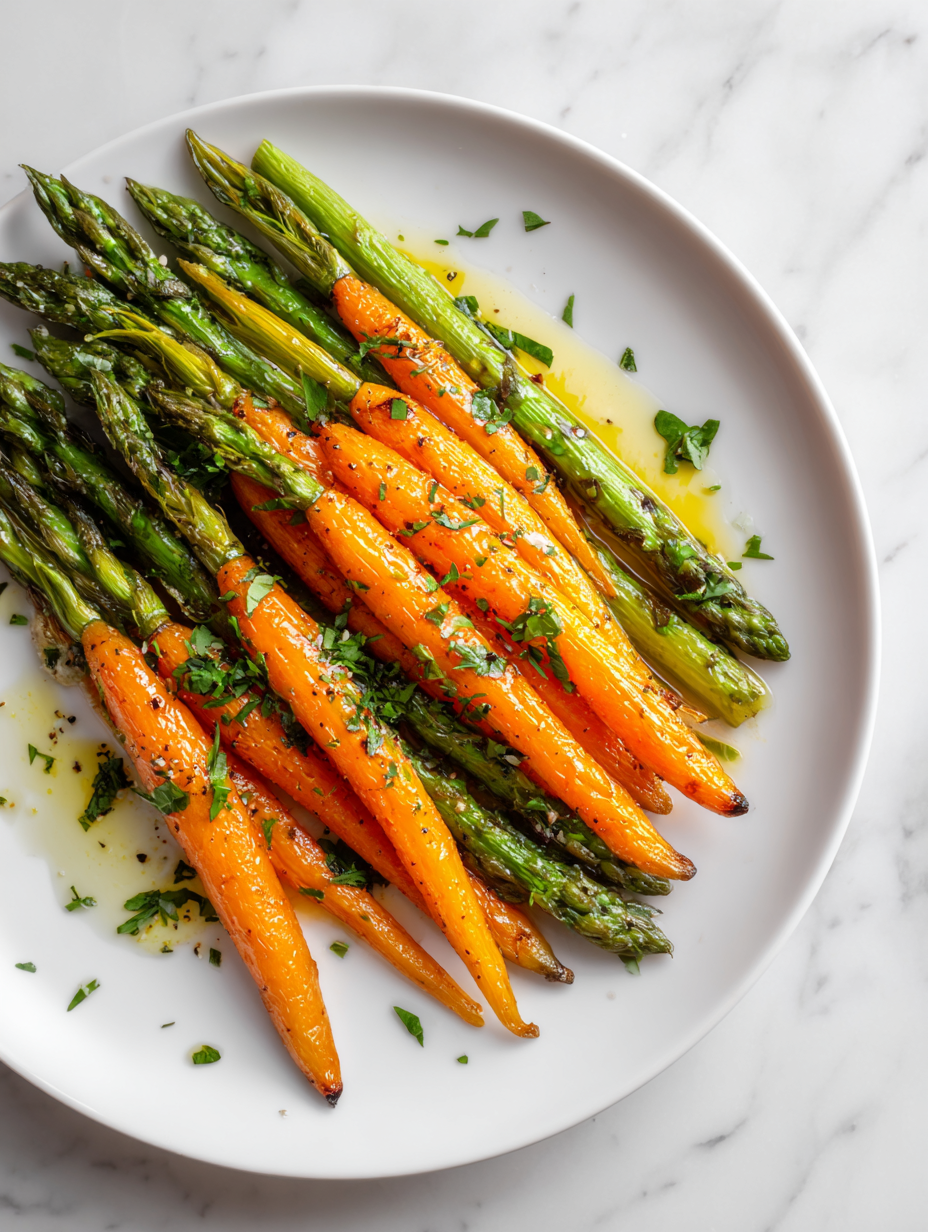
Roasted Carrots and Asparagus
Ingredients
Equipment
Method
- Preheat your oven to 200°C (390°F). Line a baking sheet with parchment paper for easy cleanup.
- Wash and peel the carrots, then cut them into uniform 2-inch sticks. Trim the tough ends off the asparagus, leaving the thicker spears whole or halving thinner ones.
- In a large mixing bowl, toss the carrots and asparagus with 3 tablespoons of olive oil, making sure each piece is evenly coated. Season generously with sea salt flakes and freshly cracked black pepper, tossing again to distribute the seasoning.
- Spread the vegetables in a single layer on the prepared baking sheet. Ensure they are not crowded to promote even roasting.
- Roast in the oven for about 20-25 minutes, flipping the vegetables halfway through with tongs. You’re looking for deeply caramelized edges on the carrots and vibrant green, slightly wilted asparagus.
- Once roasted, remove the vegetables from the oven and let them rest for about 2 minutes to allow flavors to settle and carryover cooking to finish.
- Squeeze fresh lemon juice over the vegetables for brightness, or drizzle with balsamic glaze for a touch of sweetness and acidity. Toss gently to combine.
- Transfer the roasted vegetables to a serving platter, garnish with chopped fresh herbs if desired, and enjoy while warm and flavorful.
Pro tips for roasting vegetables
- Even Coating: Toss vegetables thoroughly in oil and seasonings to ensure all surfaces crisp up evenly.
- High Heat: Roast at 200°C (390°F) to caramelize edges without drying out the tender insides.
- Flip Halfway: Turn the veggies at the midpoint to promote even browning and prevent sticking.
- Check Visual Cues: Look for deep caramelization on carrots and vibrant, slightly wilted asparagus as signs of doneness.
- Add Lemon Last: Squeeze fresh lemon juice immediately after roasting to preserve brightness and zesty aroma.
- Avoid Overcrowding: Spread veggies in a single layer—crowding steams instead of roasts, losing that crispy edge.
- Rest Briefly: Let the veggies sit for 2 minutes post-roast; this helps flavors settle and prevents mushiness.
Common mistakes and how to fix them
- FORGOT to check oven temperature → Ensure oven is preheated properly before roasting.
- DUMPED veggies on baking sheet without space → Spread in a single layer for even caramelization.
- OVER-TORCHED carrots → Remove once edges are deeply golden and caramelized, not burnt.
- MISSED seasoning step before roasting → Season generously to develop flavor and prevent blandness.
Quick fixes and pantry swaps
- If vegetables are soggy, increase oven temperature and spread them out more.
- When veggies burn quickly, lower heat or check for oven hot spots.
- Splash a bit of lemon juice or vinegar if flavors are dull or flat.
- Patch over overcooked edges with fresh herbs for a burst of color and aroma.
- Shield the tips of asparagus with foil if they start to over-torch, preserving green vibrancy.
Prep, store, and reheat tips
- Prep the vegetables—wash, peel, and cut carrots and trim asparagus a day ahead. Keep in airtight containers in the fridge for up to 24 hours; they’ll stay fresh and crisp, with minimal flavor loss.
- You can assemble the tossed vegetables with oil and seasonings a few hours before roasting. Keep covered in the fridge; flavors meld overnight, making the roasting even quicker and more flavorful.
- Roasted vegetables are best enjoyed fresh, but leftovers keep well in an airtight container for up to 2 days. The natural sugars deepen, so expect a richer, slightly caramelized flavor on reheating.
- Reheat in a 180°C (350°F) oven for about 10 minutes. Check for sizzling and a fragrant aroma—aim for crispy edges and vibrant color. Microwave is an option but may soften the texture and dull the shine.
Common questions about roasted carrots and asparagus
1. How can I tell if carrots are fresh?
Look for carrots that are firm and bright orange, without cracks or limpness. Freshness ensures they caramelize well and stay crisp.
2. What type of asparagus works best for roasting?
Choose thick asparagus spears for roasting—they hold up better and don’t turn mushy. Trim the tough ends for a clean finish.
3. Can I substitute other oils for olive oil?
Use good quality extra virgin olive oil for vibrant flavor and crispness. You can swap with avocado oil for a lighter, neutral taste.
4. How long do I roast carrots and asparagus?
Yes, roasting at 200°C (390°F) usually takes about 20-25 minutes. Check for golden edges on carrots and tender, bright green asparagus.
5. Should I add lemon before or after roasting?
Adding lemon juice after roasting brightens the dish with a fresh, zesty flavor. A splash of vinegar can work if lemon isn’t available.
6. Why are my roasted veggies soggy?
Overcrowding causes steaming instead of roasting. Spread veggies in a single layer on the baking sheet for even caramelization.
7. What if my veggies burn?
If vegetables are over-browned or burnt, reduce oven temperature slightly or cover edges with foil during roasting.
8. When should I season the vegetables?
A quick toss with salt and freshly cracked pepper before roasting enhances flavor. Season generously—it makes a difference.
9. How long can I keep leftovers?
Store leftovers in an airtight container in the fridge for up to 2 days. Reheat in a hot oven for best texture and flavor.
10. How do I revive leftover roasted vegetables?
If veggies turn limp upon reheating, try a quick blast in the oven at high heat to re-crisp the edges.
This roasted carrots and asparagus dish feels like a quiet celebration of spring’s bounty. The way the caramelized edges contrast with their tender, fresh interiors makes it stand out in a sea of simple sides. It’s honest, unpretentious, and pure pleasure to make.
In the end, it’s not just about the ingredients but the little moments in the kitchen—those smells, the sizzle, the bright pop of lemon—that turn a simple roast into a memorable part of the meal. Sometimes, the best dishes are the ones that remind us to slow down and savor what’s seasonal and real.
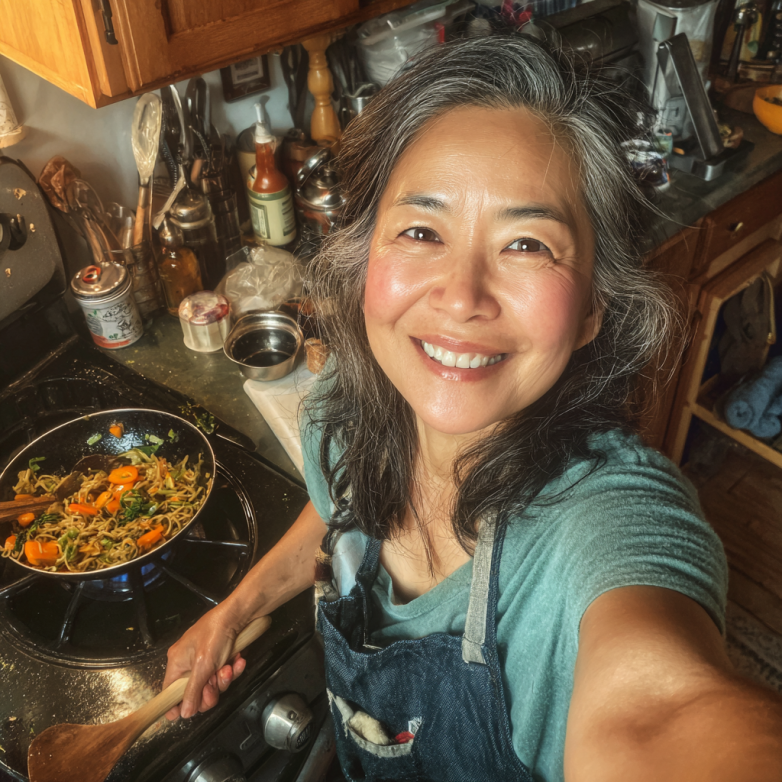
Hi, I’m Olivia Chen-Williams, a professional chef, cooking instructor, and the founder of Turn Around At 50. For nearly three decades, my life has revolved around kitchens. Not the quiet, romantic kind, but the real ones. Hot, loud, demanding, and deeply alive.