
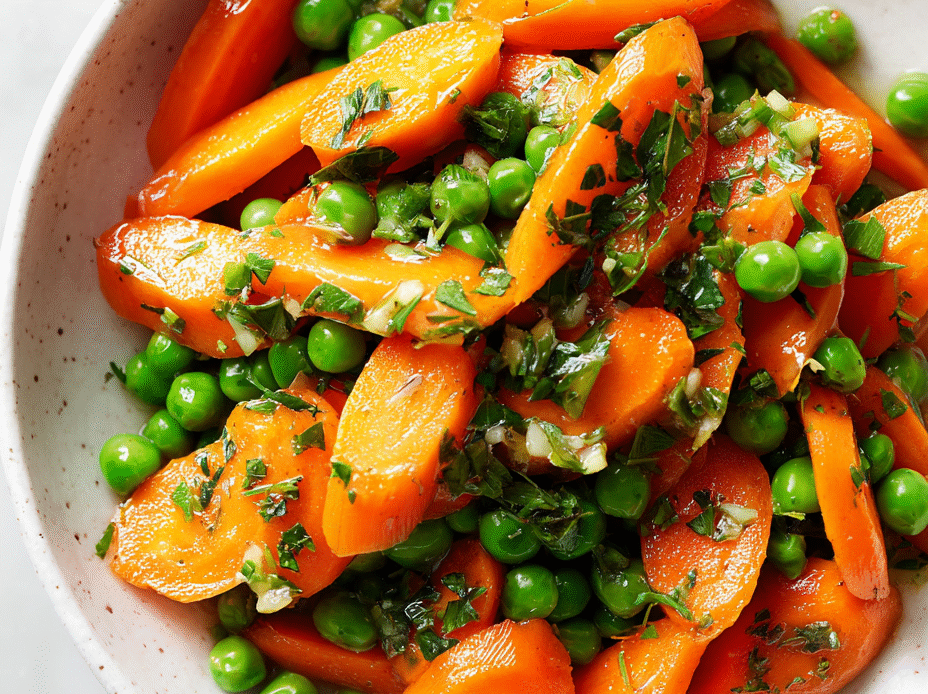
This carrot and peas stir fry is like a quick nod to those lazy weekend mornings when I’d raid my fridge for something fresh and simple. It’s not complicated, but it’s honest—bright carrots, sweet peas, a splash of soy, and a dash of ginger. It’s the kind of dish that makes you feel like you’re eating a little piece of spring, even in the middle of winter.
I’ve always loved how a handful of everyday ingredients can come together so quickly and still taste like they’ve been cooked with care. It’s a reminder that good food doesn’t need fancy tricks or long hours—just fresh produce, a hot pan, and a little bit of patience. Every time I make this, I think about those small, quiet moments when a simple meal sparks a fleeting sense of home.
This recipe is inspired by childhood memories of my grandma’s garden, where carrots and peas were the first to sprout in spring. I love how simple, fresh ingredients can evoke nostalgia and comfort, especially when stir-fried quickly to preserve their crunch and brightness. It’s a humble dish, but to me, it’s a celebration of seasonal bounty and home-cooked honesty.
The story behind this recipe
This dish came from a lazy afternoon in my childhood kitchen, where my mom would toss together whatever was fresh from the garden. I remember the bright smell of carrots and peas sizzling in a hot pan, the way the colors stayed vivid and the flavors crisp. It’s been my go-to for those evenings when I want something quick, honest, and full of the season’s best. Over time, I’ve tweaked it to keep that fresh crunch while making it a bit more lively with ginger and a splash of soy—simple, but deeply satisfying.
Key Ingredients Breakdown
- Carrots: I like slicing them thin so they cook quickly and stay crisp. You want that slight crunch when you bite in, not mush. Use a sharp knife for clean, even cuts.
- Peas: Fresh or frozen peas both work, but fresh ones pop with sweetness. If using frozen, rinse briefly to remove any ice crystals before cooking, so they don’t turn soggy.
- Garlic: I smash and mince garlic finely—it releases that fragrant, pungent aroma that wakes up the dish. If you prefer milder flavor, toss in whole cloves and remove before serving.
- Ginger: Fresh ginger adds that zing; grate it finely so it disperses evenly. If you’re short on time, a dash of ground ginger can work, but it won’t have that bright, punchy hit.
- Soy sauce: It’s the salty backbone here. Use a light soy for a delicate umami, or go darker if you want a more intense, richer flavor. Add a splash at the end to control saltiness.
- Oil: I reach for a neutral oil like canola or vegetable for stir-frying. It heats fast and stays stable, giving the veggies a nice sear without imparting any extra flavor.
- Sesame oil: Just a drizzle at the end for that toasty aroma. Be careful—its flavor is strong, so a tiny splash goes a long way to add depth without overpowering.
Spotlight on key ingredients
Ginger:
- Carrots: I like slicing them thin so they cook quickly and stay crisp. You want that slight crunch when you bite in, not mush. Use a sharp knife for clean, even cuts.
- Peas: Fresh or frozen peas both work, but fresh ones pop with sweetness. If using frozen, rinse briefly to remove any ice crystals before cooking, so they don’t turn soggy.
- Fresh ginger adds that zing; grate it finely so it disperses evenly. If you’re short on time, a dash of ground ginger can work, but it won’t have that bright, punchy hit.
Carrots:
- Their natural sweetness and firm texture make them the backbone of this dish. Thin slicing ensures quick cooking and vivid color retention.
- Peas: They bring a burst of bright green and sweetness. Fresh peas are crisper and more vibrant, but frozen peas are a convenient, reliable alternative that still pack flavor.
Notes for ingredient swaps
- Vegetables: Carrots and peas are pretty forgiving. Swap carrots for sweet potatoes for a softer, caramelized bite; peas can be replaced with snap peas for a crunchier, fresher feel.
- Oil: Neutral oils like canola or vegetable are standard, but sesame oil can be swapped with avocado oil for a milder nutty aroma or olive oil for a richer, fruitier note—just watch the smoke point.
- Soy Sauce: Light soy adds subtle umami; swap with coconut aminos for a sweeter, slightly less salty flavor, or tamari for a richer, wheat-free option.
- Ginger: Fresh ginger is key, but ground ginger can work in a pinch—use half the amount to avoid overpowering. For a brighter zing, add a splash of lemon juice instead.
- Garlic: Minced garlic is best, but garlic powder can be a quick substitute—use sparingly, as it’s more concentrated. Roasted garlic can add a mellow sweetness if you have extra time.
- Sesame Oil: Just a drizzle finishes the dish; if out, skip it or add a few drops of toasted walnut or peanut oil for a different nutty aroma.
- Additional flavor: Fresh herbs like cilantro or basil can replace scallions for a different fresh burst—add just before serving to keep their bright flavor.
Equipment & Tools
- Wok or wide skillet: For quick, even heat and easy tossing of ingredients.
- Spatula: To stir and toss vegetables evenly.
- Sharp knife: For precise, quick slicing of carrots and mincing garlic and ginger.
- Cutting board: A stable surface for chopping vegetables.
Quick Stir-Fry Preparation Guide
- Gather your equipment: a large wok or wide skillet, a spatula, a sharp knife, and a cutting board. The wok helps with quick, even heat distribution.
- Prepare the vegetables: peel and thinly slice 2 medium carrots on the bias for quick cooking and visual appeal. Measure out 1 cup of peas—fresh or thawed if frozen.
- Heat the wok over medium-high heat until shimmering, about 2 minutes. Add 1 tablespoon of neutral oil, swirl to coat, and let it heat for another 30 seconds until slightly smoking.
- Add the carrots first: cook for 2-3 minutes, stirring frequently. They should start to soften and develop a slight golden edge. If they begin to burn, lower the heat slightly.
- Toss in the garlic (2 minced cloves) and ginger (1 teaspoon grated): cook until fragrant, about 30 seconds, stirring constantly. Be careful not to burn the garlic—if it turns dark, remove and start again.
- Add the peas: cook for 1-2 minutes, stirring to combine. They should turn bright green and be heated through but still retain some crunch. If overcooked, they’ll turn mushy.
- Splash in 1-2 tablespoons of soy sauce: stir quickly to coat everything evenly. Taste and adjust salt if needed. If the stir-fry seems dry, add a splash of water or broth and cook for another 30 seconds.
- Check the color and smell: carrots should be tender but crisp, peas vibrant and shiny, garlic and ginger aromatic. If vegetables are too firm, cook a little longer; if too soft, remove from heat sooner.
- Remove from heat and drizzle with a teaspoon of sesame oil for aroma. Toss once more to distribute evenly. Plate immediately with a sprinkle of chopped scallions or sesame seeds if desired.
- Let it rest for 1 minute before serving. This allows flavors to settle and ensures the stir-fry isn’t too hot when eaten.
Serve immediately while hot. Garnish with scallions or sesame seeds if desired. Let sit for 1 minute to allow flavors to meld before eating.
How to Know It’s Done
- Carrots are tender yet crisp, not mushy.
- Peas are bright green and heated through.
- Aromatics are fragrant, not burnt, with a balanced soy flavor.
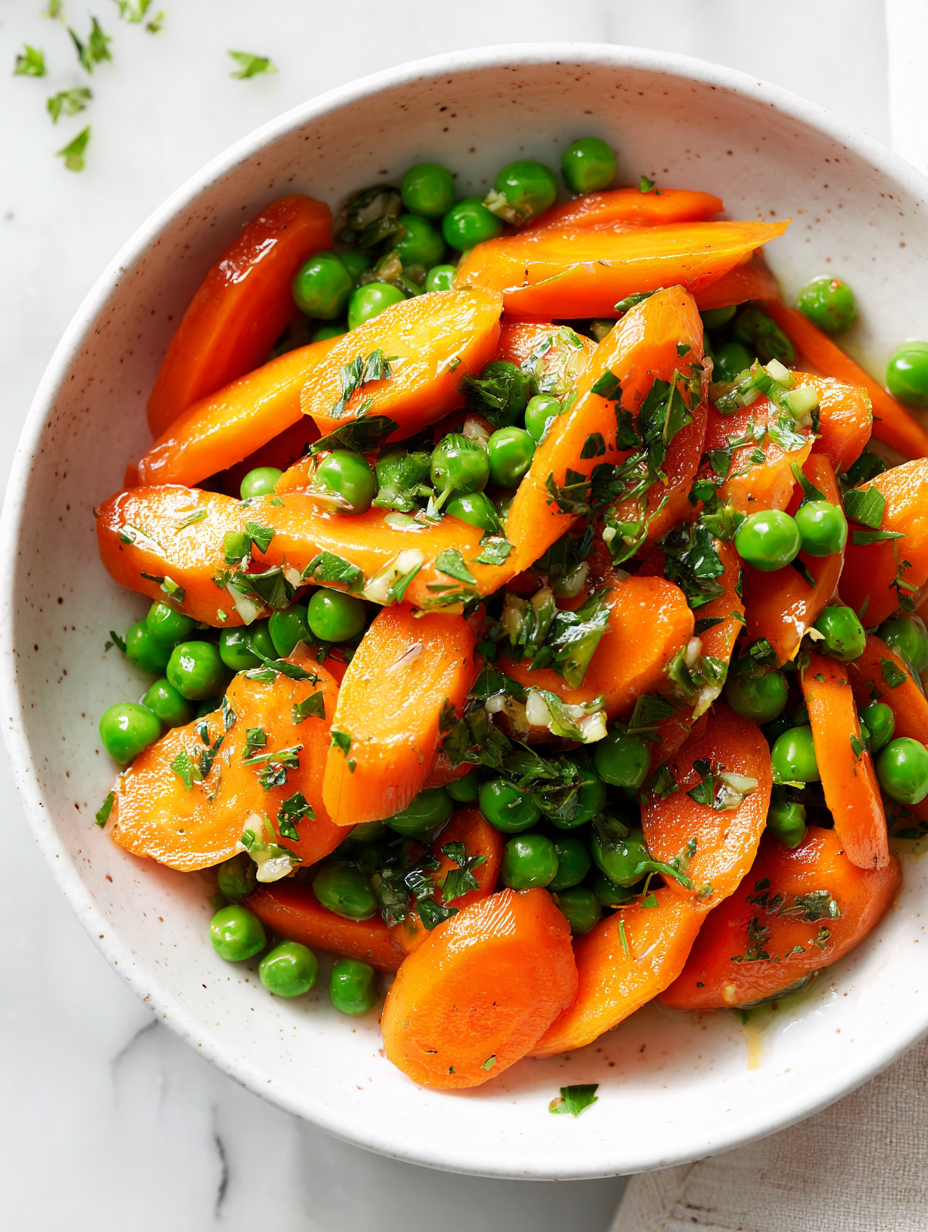
Carrot and Peas Stir Fry
Ingredients
Equipment
Method
- Heat your wok or wide skillet over medium-high heat until shimmering, then add the neutral oil and swirl to coat the surface.
- Add the sliced carrots and cook, stirring frequently, for about 2-3 minutes until they start to soften and turn lightly golden around the edges.
- Stir in the minced garlic and grated ginger, cooking for about 30 seconds until fragrant, and you hear a gentle sizzle.
- Add the peas and cook for another 1-2 minutes, stirring constantly, until they turn bright green and are heated through but still crisp.
- Pour in the soy sauce, stirring quickly to evenly coat all the vegetables. Taste and add more soy if you like it saltier.
- Remove the skillet from heat and drizzle with sesame oil for a toasty aroma, tossing gently to distribute the flavor.
- Transfer the stir fry to a serving plate, enjoy immediately while the vegetables are vibrant and crisp.
Pro tips for stir-fry success
- Bolded mini-head: Use a hot pan → Ensures vegetables sear quickly, locking in flavor and color.
- Bolded mini-head: Keep vegetables moving → Prevent burning and promote even cooking with constant stirrings.
- Bolded mini-head: Taste as you go → Adjust soy and seasoning before final plating for balanced flavor.
- Bolded mini-head: Slice carrots thin → Speeds up cooking and maintains crispness and vibrant color.
- Bolded mini-head: Add garlic and ginger last → Fragrance peaks without burning, keeping flavors bright.
- Bolded mini-head: Finish with sesame oil → Adds a toasty aroma, but keep it light to avoid overpowering the dish.
- Bolded mini-head: Cook peas briefly → Retain their bright color and crunch for freshness and texture contrast.
Common Stir-Fry Mistakes and Fixes
- FORGOT to preheat the pan → Always heat the pan until shimmering before adding ingredients.
- DUMPED too much soy sauce → Use sparingly, taste, and add more gradually to prevent oversalting.
- OVER-TORCHED the garlic → Mince garlic finely and cook over medium heat to avoid burning.
- CROWDED the pan with vegetables → Cook in batches if necessary to ensure even searing and crispness.
Quick fixes and pantry swaps
- When vegetables stick, splash a bit more oil and increase heat slightly.
- If stir-fry turns soggy, remove excess moisture by cooking a minute longer at high heat.
- Splash cold water on pan if ingredients start burning or sticking too much.
- Patch over over-salted stir-fry with a squeeze of lemon or a splash of water.
- Shield delicate peas with a gentle stir if they begin to overcook, preserving their crunch.
Prep, store, and reheat tips
- Peas: Blanch fresh peas for 1-2 minutes, then cool in ice water. Keep in an airtight container for up to 2 days to preserve their snap and sweetness.
- Carrots: Slice thin and store in an airtight container in the fridge for up to 2 days. Keep them crisp by wrapping in a damp paper towel before sealing.
- Prepping ingredients: Mince garlic and grate ginger ahead of time. Store in small airtight jars or containers for up to 2 days, keeping their fragrant edge fresh.
- Reheating: Gently stir-fry leftovers in a hot pan over medium heat (about 150°C/300°F). The veggies will re-crisp if you give them a quick sear, but avoid overcooking to prevent sogginess.
- Flavor change: The bright, fresh notes may soften slightly after storage. A splash of soy or sesame oil during reheating can help restore vibrancy and aroma.
Top questions about carrot and peas stir fry
1. Can I use frozen carrots instead of fresh?
Use fresh carrots for a crisper bite, but frozen work if you’re in a rush. The key is thin slicing so they cook quickly and stay bright.
2. Can I substitute frozen peas for fresh?
Yes, but rinse frozen peas under cold water first. Fresh peas are sweeter and more vibrant, but frozen are reliable and keep their flavor.
3. Should I add sesame oil during cooking or at the end?
Add a little sesame oil at the end for a toasty aroma. Be cautious—its flavor is potent, so just a splash is enough.
4. What temperature should I cook this stir fry at?
Cook on high heat, around 200°C/400°F, and keep vegetables moving to prevent burning and keep them crisp.
5. How do I fix soggy stir-fry vegetables?
If your vegetables turn soggy, increase the heat and stir constantly to evaporate excess moisture quickly.
6. How thin should I slice the carrots?
Use a sharp knife to slice carrots thinly; this helps them cook evenly and retain their crunch without turning mushy.
7. How much soy sauce should I add?
A splash of soy sauce adds umami, but start with less and taste before adding more to avoid oversalting.
8. Can I use coconut aminos instead of soy sauce?
For a milder, sweeter flavor, substitute coconut aminos for soy sauce. It’s less salty but still adds depth.
9. When should I add garlic and ginger?
Add minced garlic and grated ginger just before the vegetables are done. They release fragrant oils that brighten the dish.
10. How do I reheat this stir-fry without losing texture?
Reheat leftovers in a hot pan with a splash of water or broth. Stir quickly to restore some of the original crispness and brightness.
This simple stir fry reminds me how fresh ingredients can bring back memories of quiet spring mornings. It’s honest, straightforward, and perfect for a quick, satisfying bite. Sometimes, the most unpolished dishes are the ones that feel the most like home.
Whenever I make this, I feel a little more grounded—like reconnecting with the season’s bounty, even when life feels hectic. It’s not just about the ingredients, but those small moments where good food quietly anchors you. That’s why I keep this recipe close, no matter the day.
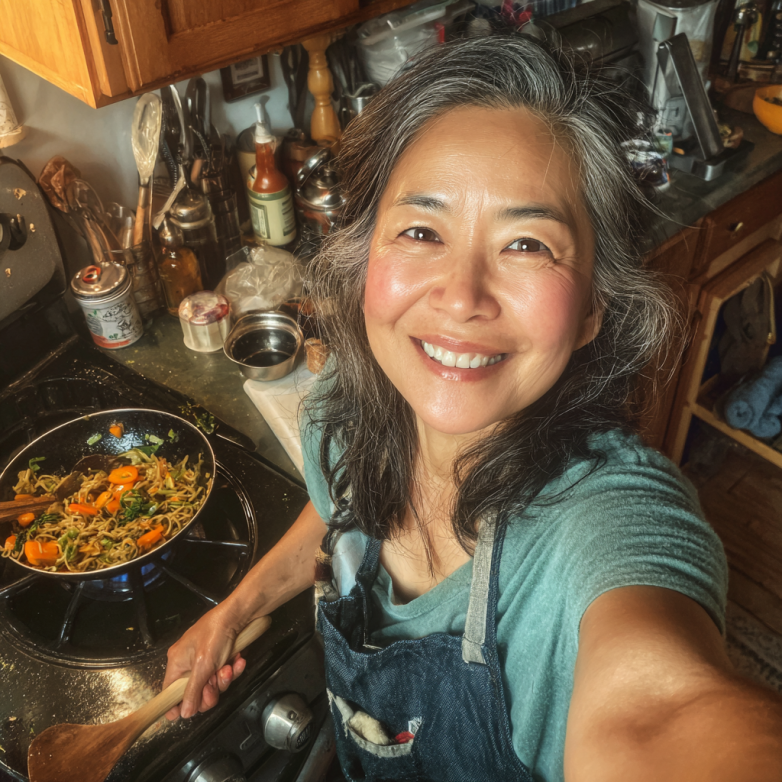
Hi, I’m Olivia Chen-Williams, a professional chef, cooking instructor, and the founder of Turn Around At 50. For nearly three decades, my life has revolved around kitchens. Not the quiet, romantic kind, but the real ones. Hot, loud, demanding, and deeply alive.