
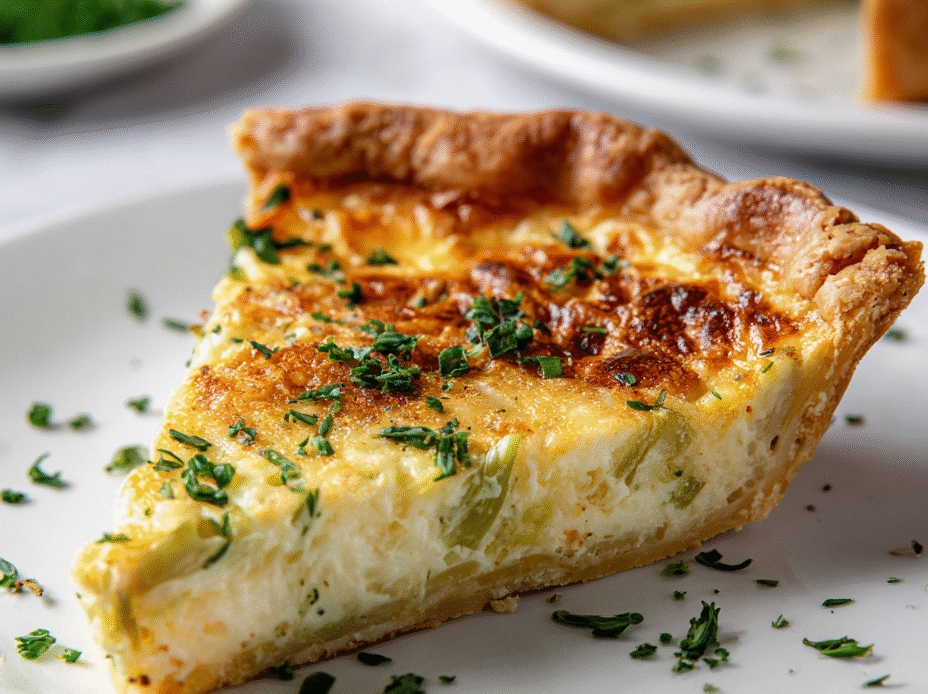
Leek and cheese quiche feels like a warm memory wrapped in flaky pastry. There’s something about caramelizing those leeks slowly, letting their natural sweetness develop, that makes this dish more than just a brunch staple. It’s a reminder that patience in the kitchen can turn simple ingredients into something unexpectedly rich and comforting.
I’ve always loved how this quiche sits at the intersection of humble and elegant. It’s not flashy, but the way the leeks soften and sweeten, mingling with gooey cheese, makes every bite feel like a small celebration. It’s the kind of dish that tastes best when made on a quiet weekend, the kind where you have time to let flavors deepen and meld.
This recipe is about more than just the end result. It’s about the process—those slow caramelized leeks, the careful blind baking, the gentle pour of the custard. It’s a dish that demands a little patience but rewards you with a deeply layered, cozy flavor that feels like a little bit of home in every slice.
Focusing on the nostalgic comfort of leek and cheese quiche, this recipe emphasizes the importance of patience in caramelizing leeks to bring out their natural sweetness, transforming a simple dish into a layered, deeply flavorful experience that feels like a warm hug from the kitchen.
The story behind this recipe
This leek and cheese quiche was born out of a quiet Sunday afternoon, when I had a bunch of leeks that needed using and a craving for something hearty but simple. I remember the scent of caramelizing leeks filling the kitchen, sweet and earthy, as I patiently let them soften in butter. It’s a dish that’s become a little ritual for me—slow, unhurried, and rooted in those small, honest moments of cooking.
Ingredient breakdown: key components
- Leeks: I love how they soften and develop a sweet, almost caramel aroma as they cook slowly; if yours stay stubborn, give them more time for that tender, translucent look.
- Cheddar cheese: Sharp cheddar adds a punch of flavor, but feel free to swap in Gruyère for a nuttier, more complex note—just watch the salt levels.
- Pastry crust: I prefer a flaky, buttery homemade crust, but a good store-bought one can save time; just blind bake until golden and crisp to prevent sogginess.
- Eggs: The custard needs to be silky—room temperature eggs blend better, and a gentle whisk keeps it smooth, avoiding that rubbery texture if overmixed.
- Cream: Heavy cream makes the filling luxuriously rich; if you want lighter, a splash of milk works, but the texture will be less velvety and more delicate.
- Butter: I sauté the leeks in butter to deepen their sweetness and for that rich aroma—if you’re out, olive oil will do, but it won’t caramelize quite the same.
- Black pepper: Freshly cracked adds a subtle sharpness that balances the richness—don’t skip it, even if you’re tempted to keep it mild.
Spotlight on key ingredients
Leeks and Cheese:
- Leeks: I love how they soften and develop a sweet, almost caramel aroma as they cook slowly; if yours stay stubborn, give them more time for that tender, translucent look.
- Cheddar cheese: Sharp cheddar adds a punch of flavor, but feel free to swap in Gruyère for a nuttier, more complex note—just watch the salt levels.
Notes for ingredient swaps
- Dairy-Free: Swap heavy cream for coconut milk or cashew cream—less richness, but still creamy with a subtle coconut flavor.
- Cheese: Use Gruyère or Swiss instead of cheddar for a nuttier, more complex taste—just cut back slightly on salt since they’re milder.
- Pastry: Gluten-free or almond flour crust works well—expect a slightly denser bite, but still flaky if handled gently.
- Leeks: Shallots or sweet onions can substitute—less sweet, but still add depth and mellow flavor if caramelized properly.
- Eggs: Silken tofu blended with a splash of plant milk makes a good vegan custard—texture will be softer, but still holds together nicely.
- Butter: Olive oil or vegan margarine can sauté leeks—less rich, but adds a fruity note or earthiness to the base.
- Herbs & Seasonings: Add thyme, chives, or tarragon instead of pepper—brings fresh aromatic flavors to the filling.
Equipment & Tools
- Rolling pin: Roll out the pastry evenly.
- 23cm tart pan: Shape and hold the crust.
- Parchment paper: Line the crust for blind baking.
- Pie weights/dried beans: Prevent the crust from puffing up.
- Skillet: Caramelize the leeks.
- Whisk: Mix eggs and cream smoothly.
- Oven: Bake the crust and quiche.
Step-by-step guide to making leek and cheese quiche
- Prepare your crust: roll out chilled pastry on a floured surface to about 3mm thickness, then fit into a 23cm (9-inch) tart pan. Chill in fridge for 15 minutes to relax the gluten and prevent shrinking during baking.
- Blind bake the crust: preheat oven to 180°C (350°F). Line crust with parchment paper, fill with pie weights or dried beans, and bake for 20 minutes until edges are golden. Remove weights and parchment, bake 5 more minutes to set the base.
- While the crust bakes, clean and slice 3 large leeks into thin rings. Rinse thoroughly to remove grit, then drain well.
- Caramelize the leeks: melt 2 tbsp butter in a skillet over medium-low heat. Add leeks and a pinch of salt. Cook gently, stirring often, for about 20–25 minutes until soft, golden, and sweet-smelling. Adjust heat if they start to burn—reduce if necessary.
- Grate 150g (1 1/2 cups) sharp cheddar. Set aside.
- Prepare the custard: in a bowl, whisk 3 large eggs with 200ml heavy cream, a pinch of black pepper, and a little grated nutmeg if desired. Whisk until smooth, avoiding overmixing.
- Assemble the quiche: spread caramelized leeks evenly over the baked crust. Sprinkle cheese on top. Gently pour the custard over, filling to just below the crust edge. Tap gently on the counter to settle.
- Bake: preheat oven to 180°C (350°F). Bake the assembled quiche for 35–40 minutes until the custard is set around the edges but still slightly wobbly in the center. The top should be golden and slightly puffed.
- Rest and serve: let the quiche rest for 10 minutes outside the oven. Slice and serve warm or at room temperature.
Let the quiche rest for at least 10 minutes to set the custard. Slice with a sharp knife and serve with a simple green salad for contrast.
How to Know It’s Done
- Crust is golden and crisp after blind baking.
- Leeks are soft, sweet, and caramelized with a light golden hue.
- Custard is just set, with a slight wobble in the center, and golden on top.
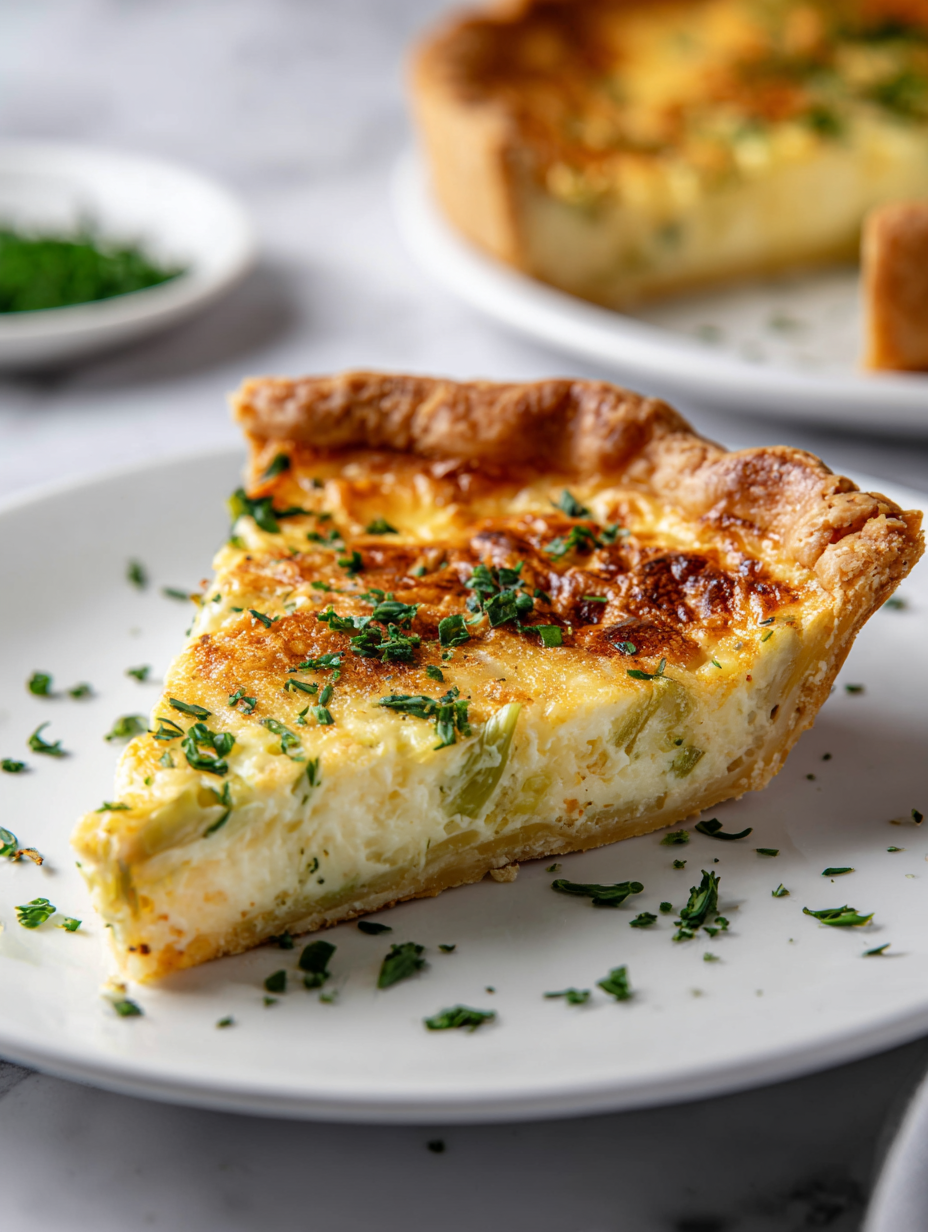
Leek and Cheese Quiche
Ingredients
Equipment
Method
- Roll out the chilled pastry on a lightly floured surface to about 3mm thickness, then carefully fit it into a 23cm tart pan. Trim any excess and prick the base with a fork. Chill in the fridge for 15 minutes to relax the dough.
- Preheat your oven to 180°C (350°F). Line the chilled crust with parchment paper and fill it with pie weights or dried beans. Bake for 20 minutes until the edges are lightly golden. Remove the weights and parchment, then bake for another 5 minutes to set the base.
- While the crust bakes, rinse the sliced leeks thoroughly to remove grit, then drain well. Melt butter in a skillet over medium-low heat. Add the leeks with a pinch of salt and cook gently, stirring often, for about 20–25 minutes until they are soft, translucent, and golden around the edges—your kitchen will smell sweet and earthy.
- Meanwhile, grate the cheddar cheese and set aside. In a bowl, whisk together the eggs, heavy cream, salt, and black pepper until smooth and slightly frothy.
- Spread the caramelized leeks evenly over the pre-baked crust. Sprinkle the grated cheddar cheese on top, distributing it evenly for a cheesy, savory layer.
- Gently pour the custard mixture over the leeks and cheese, filling the crust close to the top but avoiding overflow. Tap the tart pan gently on the counter to settle the filling and release any air bubbles.
- Bake the quiche in the oven at 180°C (350°F) for 35–40 minutes, or until the custard is set around the edges but still slightly wobbly in the center. The top should turn a light golden brown, and the filling will puff slightly.
- Remove the quiche from the oven and let it rest for at least 10 minutes. This helps the custard set completely and makes slicing easier, revealing a beautifully firm yet tender filling with a golden top.
- Slice the quiche into wedges and serve warm or at room temperature, enjoying the rich flavors of caramelized leeks and melted cheese in every bite. Pair with a fresh salad for a perfect meal.
Notes
Tips and tricks for perfect quiche
- Leeks: Caramelize slowly over low heat to unlock their natural sweetness and avoid bitterness.
- Cheese: Grate cheese just before adding for maximum flavor and optimal meltiness.
- Crust: Chill the pastry before blind baking to prevent shrinking and achieve flakiness.
- Custard: Whisk eggs and cream gently to keep the filling silky and prevent air bubbles.
- Baking: Bake until the top is golden and the custard jiggles slightly in the center—don’t overbake!
- Resting: Let the quiche sit at least 10 minutes after baking; it helps set the custard and makes slicing easier.
Common mistakes and how to fix them
- FORGOT to pre-bake crust → Do pre-bake thoroughly to avoid soggy bottom.
- DUMPED filling too early → Let the quiche rest 10 minutes before slicing.
- OVER-TORCHED edges → Shield edges with foil if browning too fast.
- MISSED caramelizing leeks → Cook leeks slowly until golden and sweet-smelling.
Quick fixes and pantry swaps
- When the filling cracks, splash a little extra cream and gently swirl to smooth.
- If the crust gets soggy, patch with a crisp layer of fresh pastry on top and bake briefly.
- DUMPED the leek mixture too early? Rest the quiche 10 minutes to let it set properly.
- Splash olive oil on stubborn leeks during caramelizing for a glossy, sweet finish.
- Shield edges with foil when over-torching to prevent burnt crust and preserve flavor.
Prep, store, and reheat tips
- Prepare the crust and blind bake it up to 2 days ahead; store wrapped in plastic in the fridge for freshness.
- Caramelize the leeks a day in advance; cool completely and keep in an airtight container, reheat gently before assembling.
- Assemble the quiche unbaked up to 24 hours ahead; keep covered in the fridge, and add a few extra minutes to baking time if cold.
- Reheat slices in a low oven (160°C / 320°F) until warmed through, about 10-15 minutes, until the edges crackle slightly and aroma returns.
- Shelf life: baked quiche keeps for 2-3 days in the fridge; reheat until filling is hot and pastry is crispy again for best sensory experience.
Top questions about leek and cheese quiche
1. How do I pick good leeks for this recipe?
Use firm leeks with bright green tops and white bulbs. Slicing thinly helps them cook evenly and caramelize better.
2. Can I prepare the leeks ahead of time?
Pre-cooked and cooled leeks blend better into the custard. If overcooked, they turn mushy, so keep an eye on them.
3. What cheese works best for flavor?
Use sharp cheddar for a bold flavor that cuts through the richness. Mild cheese will make it less punchy.
4. Why is my crust soggy?
Blind baking the crust prevents sogginess. Keep an eye out for a golden, flaky base before adding filling.
5. How do I know when the quiche is ready?
Bake until edges are golden, custard is just set with a slight wobble, and the top is lightly browned. These signs show it’s done.
6. Can I omit the nutmeg or pepper?
A pinch of nutmeg adds warmth but is optional. Freshly cracked black pepper is essential for balancing the richness.
7. How should I reheat leftover quiche?
Reheat slices in a low oven, around 160°C (320°F), until warmed through and the crust crisps up again.
8. What if my custard cracks after baking?
If the custard cracks, gently splash a bit of cream on top and lightly swirl to smooth the surface.
9. How long do I caramelize the leeks?
Caramelize the leeks slowly on low heat for about 20–25 minutes until they turn golden and smell sweet.
10. Can I use store-bought crust?
Using store-bought pie crust is fine, but a homemade one will give a flakier, richer texture. Keep it chilled before baking.
This leek and cheese quiche isn’t just about comfort; it’s about those small moments of patience that make the flavors sing. Each slice carries a subtle sweetness from caramelized leeks and a satisfying richness from the cheese, making it perfect for a quiet weekend or a simple brunch.
In a way, making this dish is a small act of care—slow caramelization, gentle baking, and resting. It’s a reminder that good things often take time, and the best results come from the honest, unpolished rhythm of real cooking.
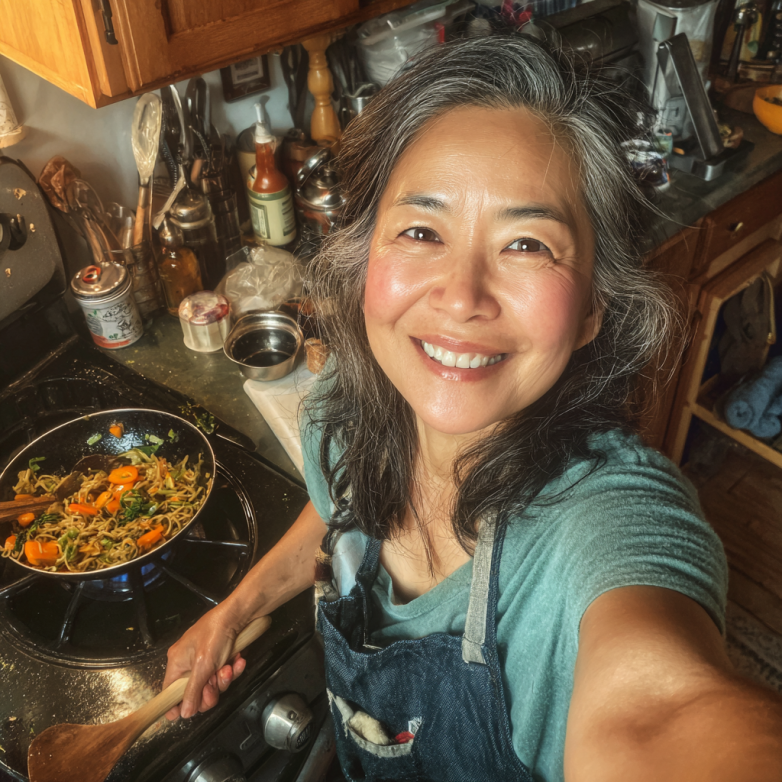
Hi, I’m Olivia Chen-Williams, a professional chef, cooking instructor, and the founder of Turn Around At 50. For nearly three decades, my life has revolved around kitchens. Not the quiet, romantic kind, but the real ones. Hot, loud, demanding, and deeply alive.