
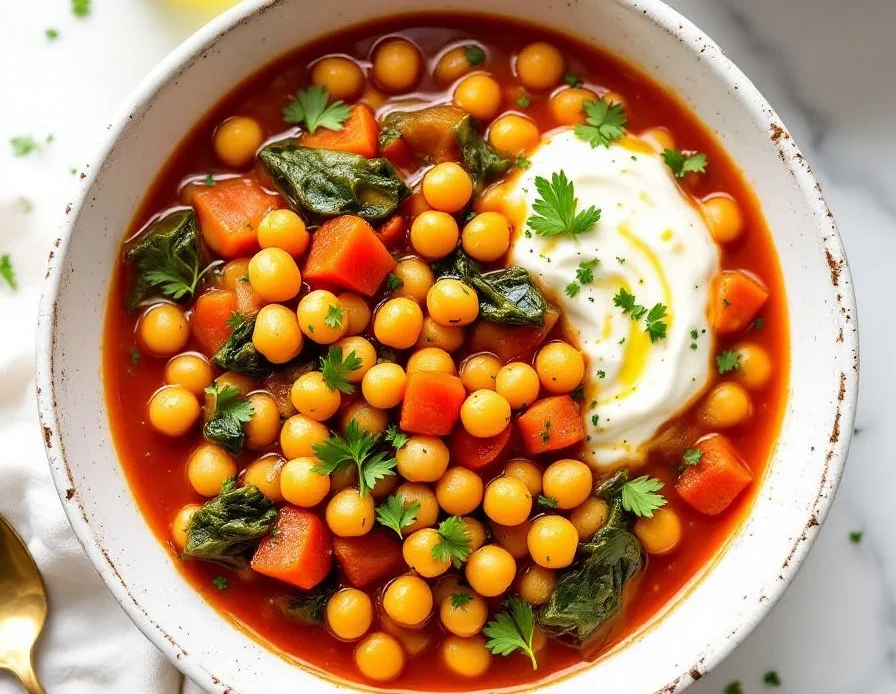
Chickpea stew starts with soaking dried chickpeas overnight—there’s a gritty, sandy feel as you rinse them off in cold water. The smell of the chickpeas, raw and earthy, fills the kitchen as you prepare to simmer them down.
The process involves chopping onions and garlic, the sharp scent filling the air as you stir them in oil until translucent. As the stew simmers, you can hear the gentle bubbling, the thick liquid slowly transforming, thickening as the flavors mingle.
The gentle simmering sounds—soft bubbling and faint creaking as the stew thickens—bring a comforting rhythm to the kitchen, grounding the process in quiet, tangible change.
What goes into this dish
- Chickpeas: I prefer dried chickpeas soaked overnight—they develop a rich, earthy flavor and a firm bite. Skip soaking if using canned, but rinse thoroughly to remove excess salt and canning smell.
- Onions: I chop them fine until translucent—those little bits soften and sweeten as they cook. Use shallots for a milder taste, or skip if you’re out, but you’ll miss that sweet aroma.
- Garlic: Mince until fragrant, the aroma of sharp, toasted garlic fills the air. If you dislike raw garlic’s punch, roast it first for a sweet, smoky depth.
- Tomatoes: Fresh or canned, I use chopped—they add a bright, tangy note. Tomato paste can boost richness if your stew feels thin or dull.
- Spices: I keep it simple with cumin and smoked paprika—smoky and warm. Swap in coriander for brightness, or skip if you want a milder version.
- Broth: Vegetable or chicken, I opt for low-sodium for control. Use water if needed, but you’ll miss the umami depth and richness that broth provides.
- Greens: Spinach or kale stirred in at the end add freshness. Skip if you prefer a chunkier stew, but it’ll lose that pop of color and vitality.
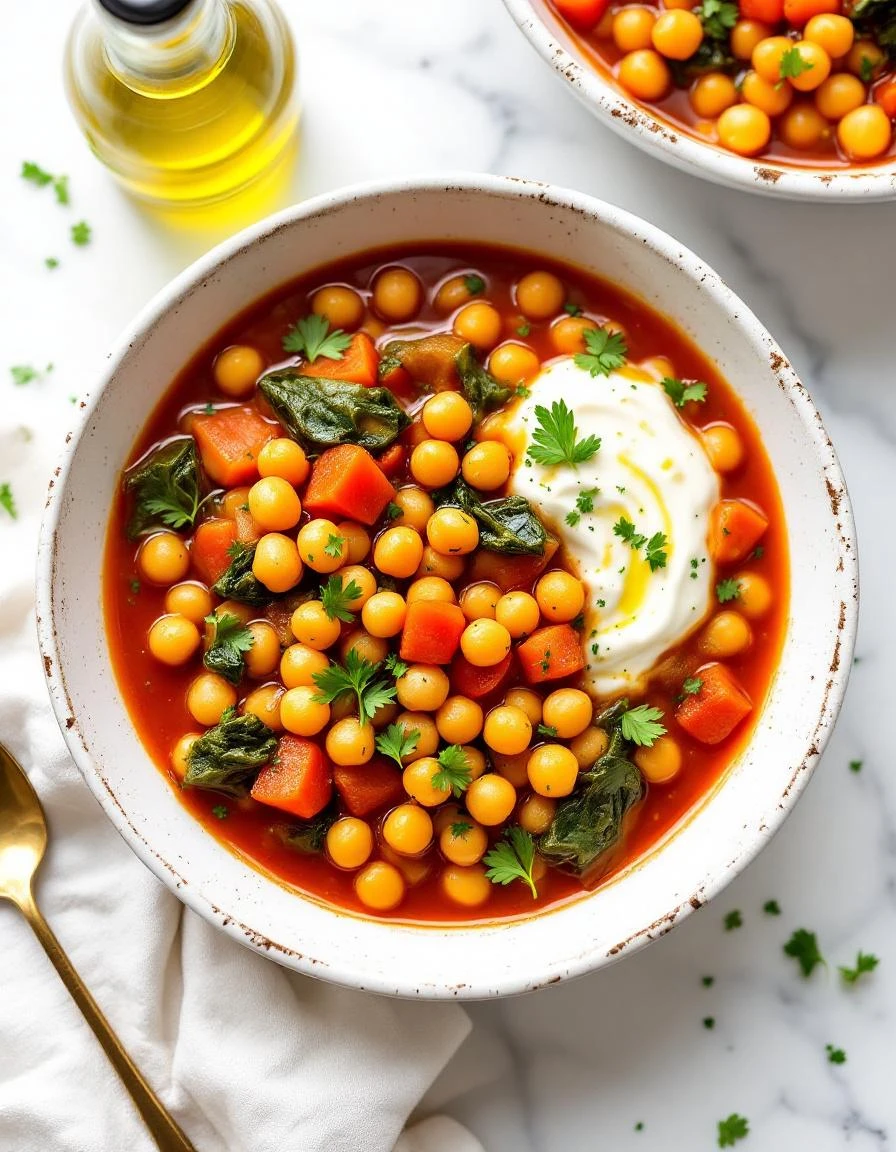
Hearty Chickpea Stew
Ingredients
Equipment
Method
- Drain the soaked chickpeas and rinse them thoroughly under cold water.
- Heat the olive oil in a large pot over medium heat, and add the finely chopped onion. Sauté until it becomes translucent and fragrant, about 5 minutes, with a gentle sizzle and a sweet aroma filling the air.
- Add the minced garlic to the onions and cook for another minute until fragrant, hearing a soft crackle and smelling toasted garlic.
- Stir in the ground cumin and smoked paprika, allowing the spices to toast slightly and release their warm, smoky aroma for about 30 seconds.
- Add the chopped tomatoes to the pot, stirring to combine. Let them simmer for 5 minutes until they break down and the mixture thickens slightly, with a vibrant red color and fragrant scent.
- Pour in the vegetable broth and add the rinsed chickpeas. Bring the mixture to a gentle boil, then reduce the heat to low to maintain a steady simmer. Cover partially and cook for about 45 minutes, until the chickpeas are tender and the stew thickens, producing a comforting bubbling sound.
- Uncover the pot and stir in the chopped greens. Cook for an additional 5 minutes until wilted and vibrant, with the greens adding freshness and color to the thickened broth.
- Taste the stew and adjust seasoning with salt or lemon juice if needed, enhancing the overall flavor profile and brightness of the dish.
- Serve the hot chickpea stew in bowls, enjoying its hearty texture and rich, smoky aroma with crusty bread or rice if desired. The thick, tender beans and vibrant greens make for a filling, comforting meal.
Common mistakes and how to fix them
- FORGOT to drain canned chickpeas, resulting in overly salty stew—rinse thoroughly next time.
- DUMPED the onions in without measuring, leading to a too-sweet or too-pungent flavor—slice more precisely.
- OVER-TORCHED the garlic, turning it bitter—add garlic later or lower heat once fragrant.
- UNDER-COOKED the chickpeas, making them tough—simmer longer until tender and creamy.
Make-Ahead and Storage Tips
- Prep the chickpeas: soak dried chickpeas overnight for a creamier texture and richer flavor. Rinse canned chickpeas well if using, and store in the fridge for up to 3 days.
- Chop all vegetables and aromatics ahead—onions, garlic, tomatoes. Keep them in airtight containers in the fridge for up to 24 hours to save time during cooking.
- The stew tastes better the next day as flavors meld—store leftovers in an airtight container in the fridge for up to 4 days or freeze for 2-3 months.
- Reheat gently on the stove, stirring occasionally. Expect the flavors to deepen and the aroma to intensify. Adjust seasoning if needed after reheating.
- The stew may thicken upon standing; add a splash of water or broth during reheating to loosen it up and restore the initial consistency.
- Be aware that freezing may mellow some of the fresh brightness—add a squeeze of lemon or fresh herbs after reheating to brighten the dish again.
FAQs
1. Can I use canned chickpeas instead of dried?
Soaking dried chickpeas softens them and reduces cooking time, making the stew creamier and easier to digest. Rinse canned chickpeas well to remove excess salt and canning smell, then drain thoroughly before adding.
2. When do I add canned chickpeas?
Yes, but adjust cooking time. Canned chickpeas are already cooked, so add them later to avoid over-softening. Rinse to remove the metallic, briny flavor and drain well.
3. How do I fix bland chickpea stew?
If the stew tastes flat or watery, it might need more seasoning or a splash of lemon juice to brighten the flavors. Simmering longer can deepen the richness, while a pinch of salt balances the acidity.
4. How do I prevent overcooking the chickpeas?
Overcooking can turn chickpeas mushy and lose their shape. Keep an eye on the simmer—test tenderness after about 45 minutes, and avoid vigorous boiling once they’re tender.
5. How do I reheat and store leftovers?
Reheat the stew gently on the stove, stirring occasionally. It will thicken in the fridge, so add a splash of water or broth during reheating to restore the original consistency and enjoy that warm, savory aroma again.
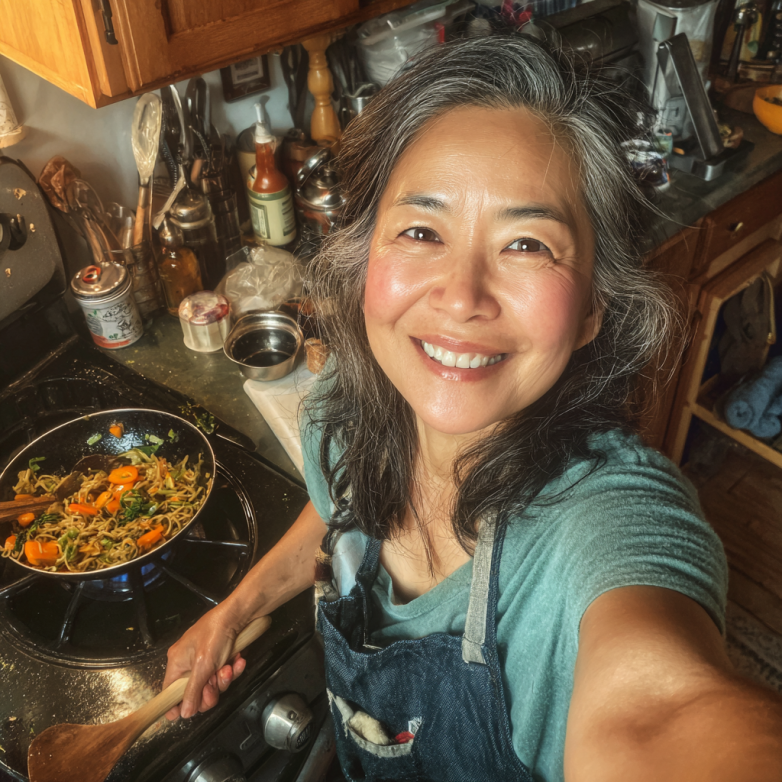
Hi, I’m Olivia Chen-Williams, a professional chef, cooking instructor, and the founder of Turn Around At 50. For nearly three decades, my life has revolved around kitchens. Not the quiet, romantic kind, but the real ones. Hot, loud, demanding, and deeply alive.