
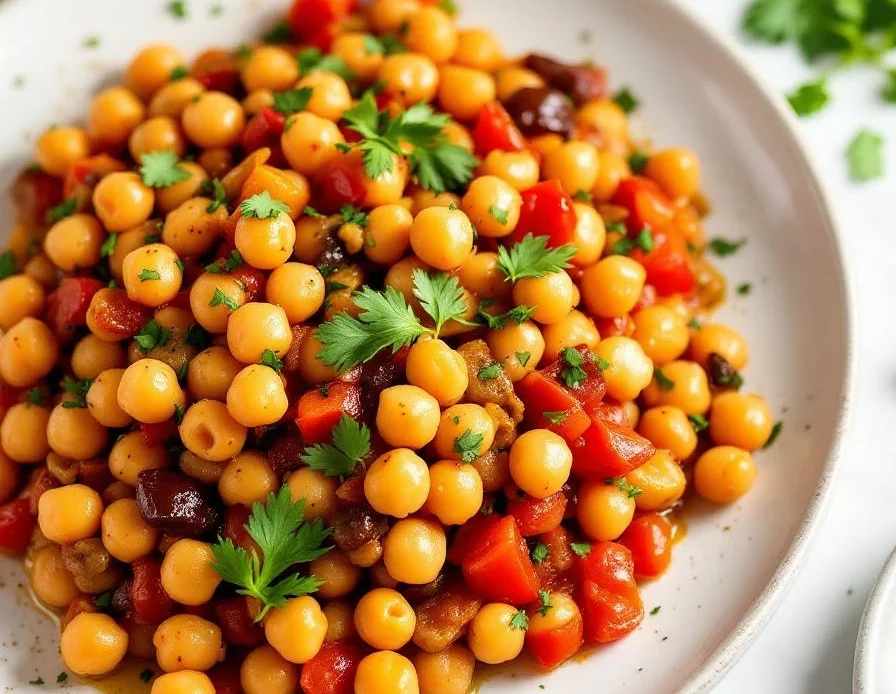
Chickpea ragout starts with a pot of soaked chickpeas that you simmer until they’re tender but not mushy, about 45 minutes. The sound of them gently popping as they cook is oddly satisfying and makes the whole kitchen smell earthy and rich.
Stirring in chopped vegetables, garlic, and herbs, you’ll notice the mixture thickening and bubbling, filling the space with a fragrant, smoky aroma. It’s a slow build, a simmer that needs your attention without rushing—this isn’t a throw-together meal.
The way the chickpeas softly burst as they cook, releasing a nutty aroma that fills the kitchen and makes you eagerly anticipate every bite.
What goes into this dish
- Chickpeas: I use dried, soaked overnight for the best nutty flavor and tender bite—skip this and go for canned if pressed for time, but rinse well to remove that tinny taste.
- Olive oil: A generous splash in the pan makes for a richer base—swap for avocado oil if you want a milder, less distinct fruitiness.
- Onion and garlic: Sauté until they’re soft and fragrant, that’s when the kitchen fills with a sweet, pungent smell—skip or reduce if you’re sensitive to strong aromas.
- Carrots and celery: Chop finely; they add a subtle sweetness and crunch—skip if you’re out, but consider parsnips or fennel for a different earthy note.
- Tomatoes: Canned crushed or fresh chopped—canned gives a consistent, bright acidity, fresh adds a deeper, sweeter tang—use whichever suits your pantry.
- Herbs: Bay leaf and thyme—fresh if you’ve got them, but dried works fine; just remember to fish out the bay leaf before serving, or risk a bitter crunch.
- Broth or water: Simmering in good veggie broth boosts flavor—skip for plain water, but then you’ll need more salt and seasoning to compensate.
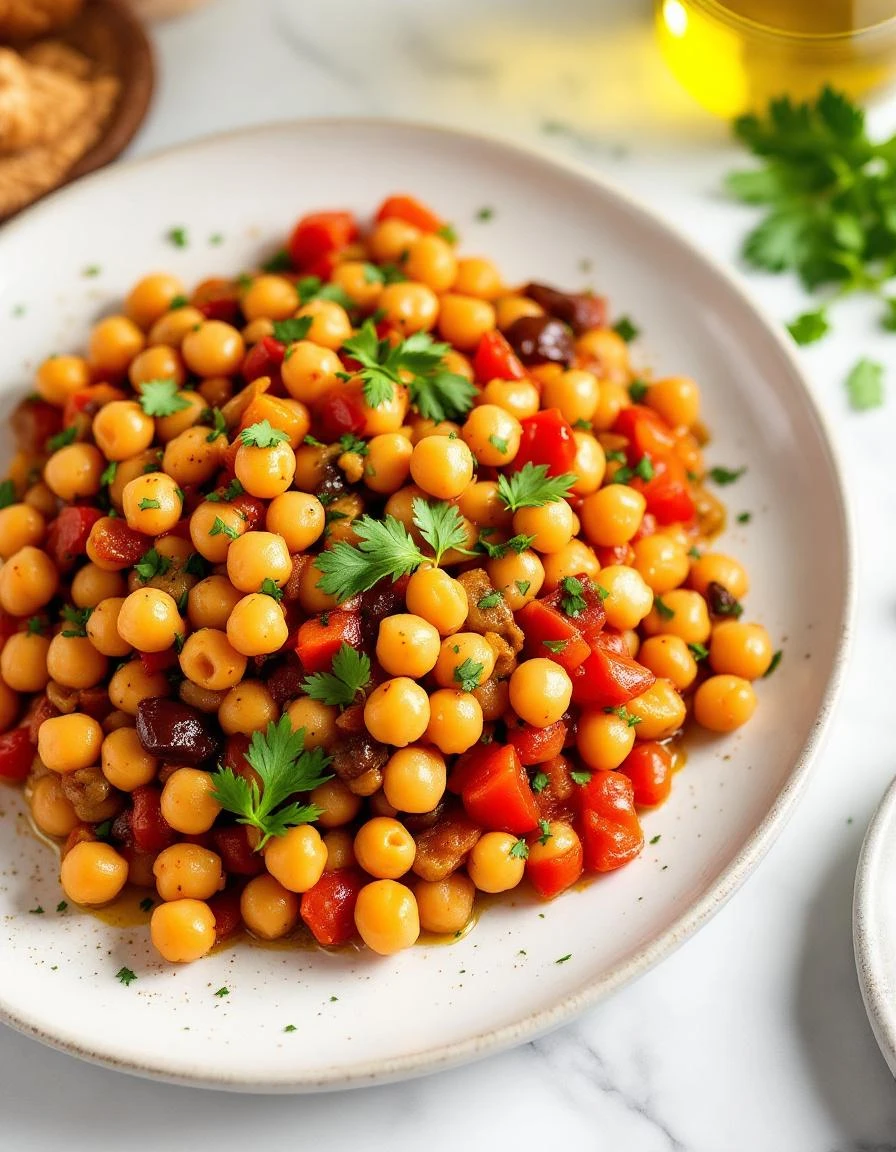
Chickpea Ragout
Ingredients
Equipment
Method
- Drain the soaked chickpeas and rinse them well under cold water. Set aside.
- Heat a large pot over medium heat and add the olive oil, letting it warm until shimmering and fragrant.
- Add the chopped onion to the pot and sauté until it becomes soft and translucent, about 5 minutes, filling your kitchen with a sweet aroma.
- Stir in the minced garlic and cook for another 30 seconds until fragrant—be careful not to burn it, as this can turn bitterness into the flavor.
- Add the chopped carrots and celery, stirring well, and cook for about 5 minutes until they soften slightly and release a fresh, earthy scent.
- Pour in the crushed tomatoes and stir to combine, allowing the mixture to bubble gently and thicken slightly, about 3 minutes.
- Stir in the soaked chickpeas, bay leaf, thyme, and pour in the vegetable broth. Bring the mixture to a gentle boil.
- Reduce heat to low, cover the pot, and let the ragout simmer gently for about 45 minutes, stirring occasionally, until the chickpeas are tender but not mushy and the flavors meld beautifully.
- Remove the bay leaf, taste the ragout, and adjust the seasoning with salt or pepper if needed. The stew should be thick, fragrant, and hearty.
- Serve the chickpea ragout hot, garnished with fresh herbs or a drizzle of olive oil if desired, accompanied by crusty bread or grains.
Common Mistakes and How to Fix Them
- FORGOT to soak chickpeas overnight? Quick soak them in boiling water for an hour.
- DUMPED in cold water instead of simmering? Use gentle heat to avoid tough chickpeas.
- OVER-TORCHED the vegetables? Keep an eye and stir often to prevent burning.
- FORGOT to taste for salt? Adjust seasoning once the ragout has thickened and flavors meld.
Make-Ahead and Storage Tips
- Chickpeas can be cooked a day ahead; keep in an airtight container in the fridge for up to 2 days, or freeze for up to a month for longer storage.
- Chopping vegetables ahead of time saves time—store in an airtight container and use within 24 hours to keep freshness.
- The ragout’s flavors deepen after sitting; refrigerate for up to 2 days, but expect a slightly thicker sauce and richer taste.
- Reheat gently on the stove, stirring often, until bubbling and hot—check that the aroma is fresh and the texture is tender enough after reheating.
FAQs
1. Can I use canned chickpeas instead of dried?
Yes, canned chickpeas work fine. Rinse them well to remove that metallic, tinny smell and taste.
2. How do I reheat the ragout without losing texture?
Reheating on low, stirring often, helps. Expect the texture to soften further and flavors to mellow.
3. When should I add garlic to avoid bitterness?
Overcooking garlic makes it bitter, so add it later if you prefer a milder flavor or burn easily.
4. What if my stew gets too thick or gloopy?
If the ragout seems too thick, thin it with a splash of hot water or broth until it’s just right.
5. How long can I store leftovers safely?
Storing in an airtight container, it keeps well for 2 days in the fridge, longer if frozen.
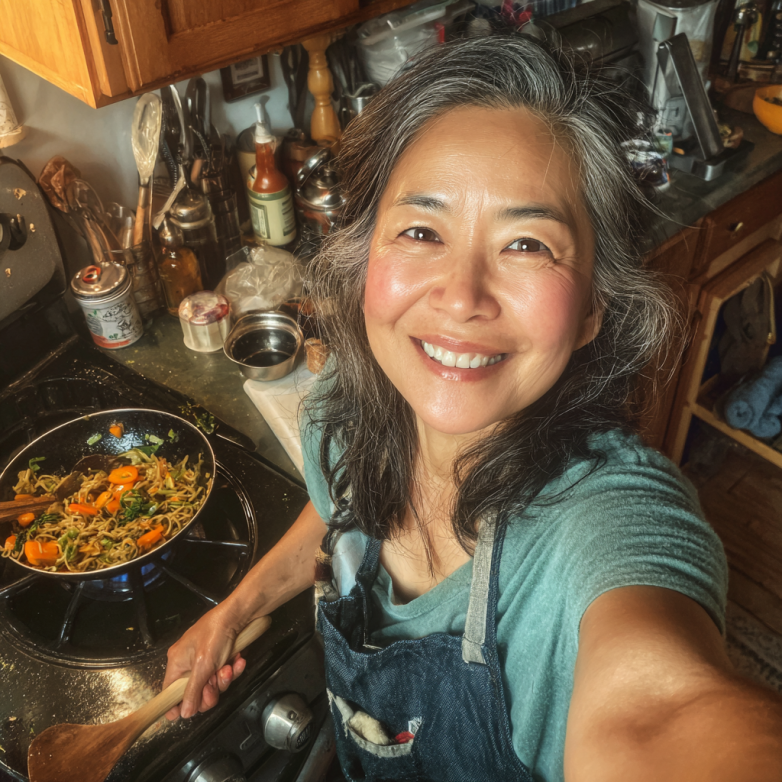
Hi, I’m Olivia Chen-Williams, a professional chef, cooking instructor, and the founder of Turn Around At 50. For nearly three decades, my life has revolved around kitchens. Not the quiet, romantic kind, but the real ones. Hot, loud, demanding, and deeply alive.