
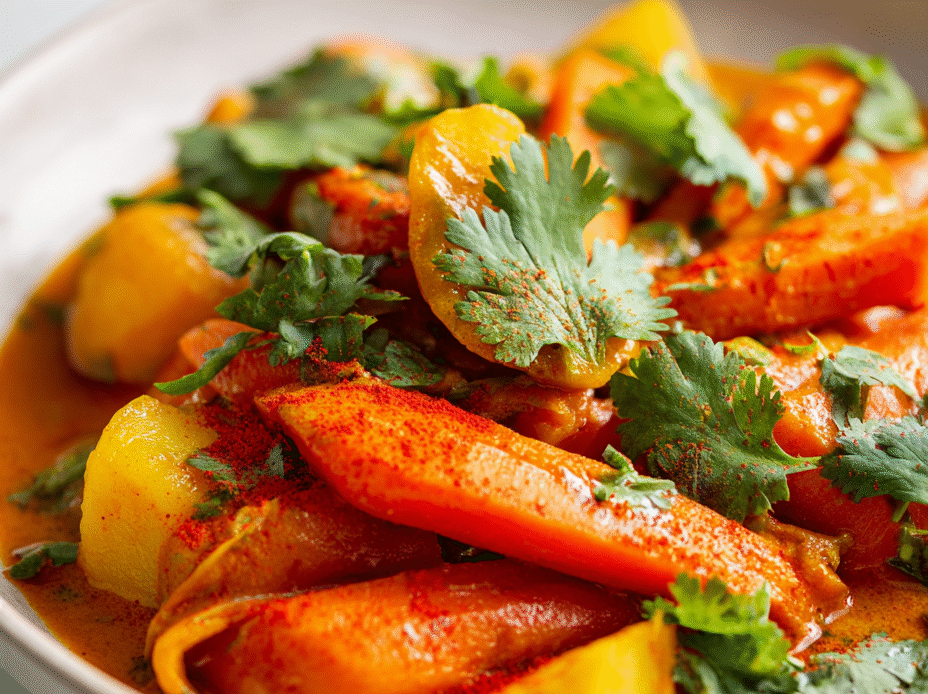
This carrot and potato curry is my quiet ode to the understated sweetness of everyday root vegetables. There’s something about slow-cooking carrots and potatoes until they melt into a fragrant, spiced sauce that feels like a warm memory wrapped in a bowl. It’s not flashy, but it’s honest and deeply satisfying, especially when you need a bit of comfort without fuss.
I stumbled on this combo years ago during a busy week when I had little but these humble roots and a few spices. The natural sugars caramelized softly as they cooked, creating a gentle sweetness that balanced out the fiery chili and earthy turmeric. It’s become my go-to—something I make when I want a quiet moment of nourishment, a dish that feels like a little hug with each bite.
Focusing on the humble, overlooked sweetness of carrots and potatoes, this curry uses their natural sugars to balance rich spices, turning everyday ingredients into a comforting, nostalgic dish that feels like a warm hug after a long day.
The story behind this recipe
This curry came about on a day when I was rummaging through my fridge, looking for something simple but comforting. I realized that the everyday root vegetables I often overlook—carrots and potatoes—could be transformed into something warm and satisfying with just a handful of spices. The smell of their slow simmer, mingling with cumin and turmeric, instantly took me back to childhood kitchens, where everything felt a little more manageable and a lot more homey. It’s funny how a humble dish like this can carry so much nostalgia and quiet joy, all in one pot.
Ingredient breakdown
- Carrots: I prefer using organic, sweet heirlooms for a richer, more pronounced sweetness; their bright orange hue adds a visual pop that makes the dish feel cheerful.
- Potatoes: Russets are my go-to—they break down nicely, creating a creamy texture in the curry. If you want it lighter, try Yukon Golds for a buttery finish.
- Coconut Milk: I love the creaminess it adds, but if you want a lighter version, swap with cashew cream or a splash of plain yogurt—just add at the end to avoid curdling.
- Spices: I rely on freshly ground turmeric and cumin for depth—less powder, more flavor. Toast them briefly in oil first for a toasty, smoky aroma.
- Onions & Garlic: I chop them finely and fry until golden—this builds a sweet base. Skip this step if you’re in a rush, but the flavor will be duller.
- Chili: I use dried red chili flakes, adjusting for heat—start small, then add more. It gives the curry a gentle, smoky kick that’s addictive.
- Lemon Juice: I add a squeeze at the end for brightness—brightens the whole dish. If you don’t have lemon, a splash of apple cider vinegar works in a pinch.
Spotlight on key ingredients
Carrots and Potatoes:
- Carrots: I prefer organic, sweet heirlooms for a richer, more pronounced sweetness; their bright orange hue adds a visual pop that makes the dish feel cheerful.
- Potatoes: Russets are my go-to—they break down nicely, creating a creamy texture in the curry. If you want it lighter, try Yukon Golds for a buttery finish.
Notes for ingredient swaps
- Fresh Carrots: I prefer organic, sweet heirlooms for a richer flavor; their vivid orange makes the dish feel cheerful. Swap with parsnips if you want a milder, slightly-earthy sweetness.
- Potatoes: Russets break down into a creamy texture, but Yukon Golds add buttery richness. Sweet potatoes can be a vibrant, slightly sweeter alternative.
- Coconut Milk: I love the creaminess, but cashew cream or almond milk can lighten it up—just add at the end to avoid curdling.
- Spices: Use pre-ground turmeric and cumin if fresh aren’t available, but toast them first for more depth. Dried chili flakes can be replaced with smoked paprika for a smoky kick.
- Onions & Garlic: Finely chopped and fried until golden build a sweet base. Skip if in a rush, but the flavor will be duller and less layered.
- Chili: Use dried red chili flakes for adjustable heat—start small and add more. For milder spice, swap with paprika or omit altogether.
- Lemon Juice: Brightens the dish, so a splash of vinegar or lime juice works well if lemon isn’t on hand. Avoid overly citric flavors that overpower the gentle sweetness.
Equipment & Tools
- Medium-sized heavy-bottomed pot: Ensure even heat and prevent sticking during simmering.
- Sharp knife: Chop vegetables and mince garlic and ginger efficiently.
- Measuring spoons: Accurately measure spices and liquids.
- Wooden spoon: Stir ingredients gently without damaging the pot.
Step-by-step guide to carrot and potato curry
- Equipment & Tools: Use a medium-sized heavy-bottomed pot with a lid for even heat distribution and to prevent sticking. Have a sharp knife for chopping, measuring spoons for spices, and a wooden spoon for stirring.
- Peel and chop 2 large carrots and 2 medium potatoes into roughly 1-inch cubes. Keep them uniform for even cooking. Set aside.
- Heat 2 tbsp of vegetable oil over medium heat (about 160°C/320°F). Add 1 finely chopped onion and cook until golden, about 5 minutes, stirring frequently.
- Add 3 cloves minced garlic and 1 tsp grated ginger. Cook until fragrant, about 30 seconds. Watch for a fragrant aroma with a slight sizzle; if it burns, lower the heat.
- Stir in 1 tsp ground cumin, 1/2 tsp turmeric, and 1/4 tsp chili flakes. Toast for 30 seconds until spices release a smoky aroma. If spices burn, add a splash of water to cool the pan.
- Add the chopped carrots and potatoes. Stir well to coat with spices. Cook for 2-3 minutes until they start to look a little glossy, releasing a faint earthy smell.
- Pour in 400ml (1.7 cups) coconut milk and 200ml (about 3/4 cup) water. Bring to a gentle simmer over medium-low heat (around 85°C/185°F). Cover partially with a lid.
- Cook for 20-25 minutes, stirring occasionally. Check that the vegetables are tender and the sauce has thickened slightly. If it’s too thin, uncover and simmer a bit longer.
- Taste and adjust seasoning. Add salt, a squeeze of lemon juice, or more chili flakes if you want more heat. If the curry looks oily, stir in a pinch of sugar to balance.
- Rest the curry for 5 minutes off the heat, letting flavors meld. Serve hot with rice or crusty bread. Garnish with fresh herbs if desired.
Let the curry rest off the heat for 5 minutes. Serve in bowls, garnished with herbs or a squeeze of lemon for brightness.
How to Know It’s Done
- Vegetables are tender and easily pierced with a fork.
- Sauce has thickened slightly, clinging to the vegetables.
- Spices are fragrant, with a smoky, earthy aroma and a touch of sweetness.
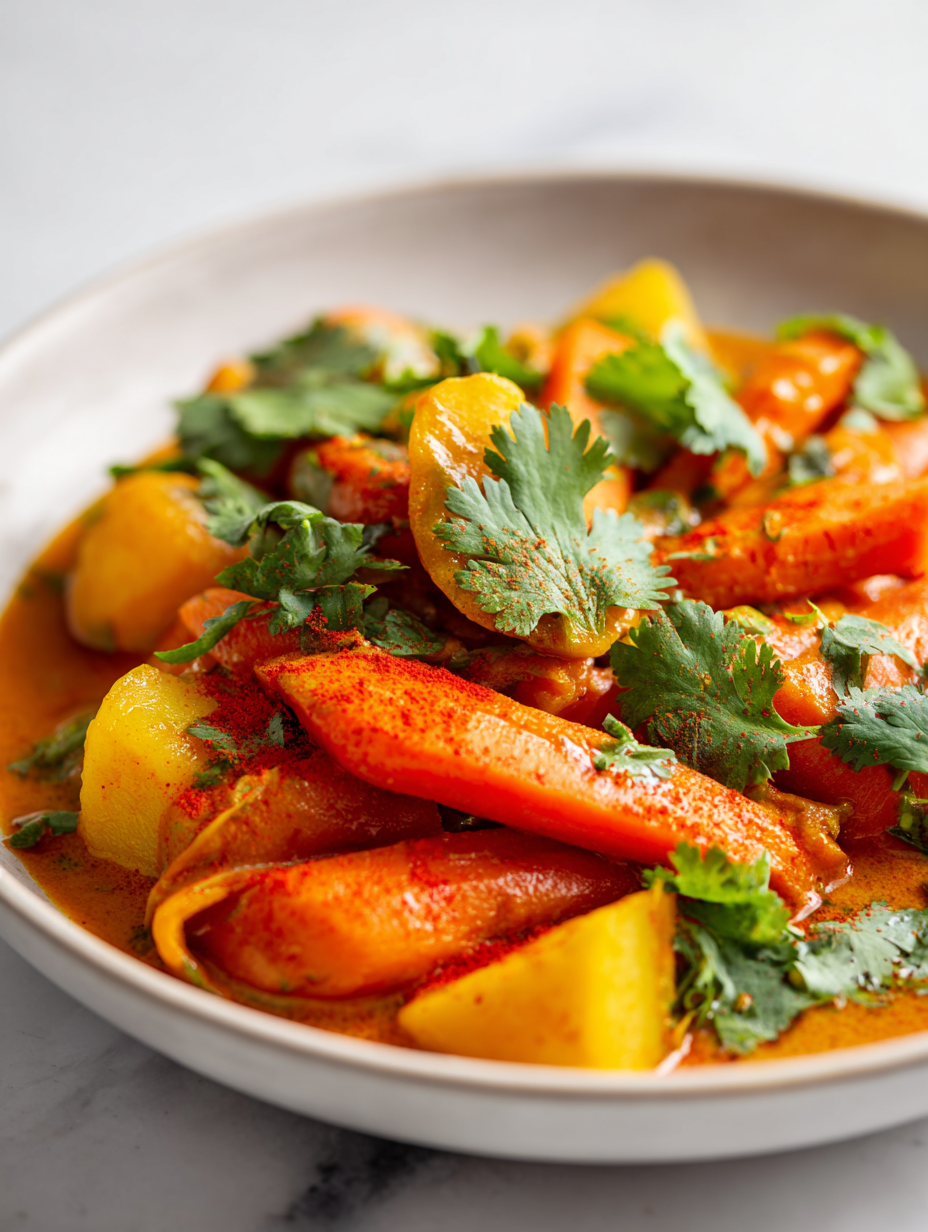
Carrot and Potato Curry
Ingredients
Equipment
Method
- Peel and chop the carrots and potatoes into roughly 1-inch cubes, ensuring they are uniform for even cooking.
- Heat vegetable oil in a heavy-bottomed pot over medium heat until shimmering and fragrant, about 1 minute.
- Add the finely chopped onion and cook, stirring occasionally, until golden and soft, about 5 minutes, releasing a sweet aroma.
- Stir in the minced garlic and grated ginger, cooking until fragrant, about 30 seconds, making the kitchen smell warm and spicy.
- Add the ground cumin, turmeric, and red chili flakes, toast briefly for about 30 seconds until spices release a smoky aroma.
- Introduce the chopped carrots and potatoes into the pot, stirring well to coat them with the fragrant spices, and cook for 2-3 minutes until they start to look glossy.
- Pour in the coconut milk and add a splash of water, stirring gently, then bring the mixture to a gentle simmer over medium-low heat.
- Cover partially with a lid and let simmer for 20-25 minutes, stirring occasionally, until the vegetables are tender and the sauce has thickened slightly.
- Taste the curry, then season with salt as needed and squeeze in fresh lemon juice to brighten the flavors.
- Remove from heat and let the curry rest for 5 minutes to allow flavors to meld and thicken further.
- Give the curry a gentle stir, then serve hot over rice or with crusty bread, garnished with herbs if desired.
Pro tips for carrot and potato curry
- Use a heavy-bottomed pot to prevent hot spots and scorching.
- Toast spices in oil until fragrant—this releases their full aroma and flavor.
- Keep the heat moderate during simmering—too high can burn spices, too low prolongs cooking.
- Stir vegetables regularly to promote even cooking and prevent sticking or burning.
- Check for tenderness by piercing with a fork—vegetables should be soft but not mushy.
- Adjust seasoning at the end—lemon juice or salt can brighten or balance the curry perfectly.
- Let the curry rest off heat for 5 minutes—this allows flavors to meld and enhances taste.
Common mistakes and how to fix them
- FORGOT to adjust heat → vegetables may burn or stay raw. Keep it at a gentle simmer.
- DUMPED all spices at once → toast spices separately for depth and aroma.
- OVER-TORCHED the curry → stir frequently, lower heat if you smell burnt spices.
- SKIPPED resting time → let curry sit for 5 minutes to deepen flavors before serving.
Quick fixes and pantry swaps
- If the curry looks too thick, splash in hot water and stir quickly to loosen the sauce.
- When spices burn, immediately remove from heat and stir in a teaspoon of sugar to mellow the bitterness.
- Splash some lemon juice if the curry lacks brightness—brightens and balances flavors instantly.
- Patch over over-salted curry with a splash of coconut milk to mellow the saltiness.
- Shield the curry from scorching by reducing heat immediately and stirring constantly to prevent sticking.
Prep, store, and reheat tips
- Peel and chop carrots and potatoes a day ahead; store in an airtight container in the fridge for up to 24 hours. Their fresh-cut aroma will stay sharp, and they’ll be ready to toss in when needed.
- The curry flavors deepen overnight—make it a day early, then reheat gently on the stovetop, stirring occasionally. Expect a richer, more harmonious spice profile after resting.
- Stored in an airtight container in the fridge, the curry keeps well for 2-3 days. The coconut milk may thicken slightly—stir in a splash of water or broth to loosen before reheating.
- Reheat on low heat until steaming hot, about 10 minutes. Keep an eye on the sauce: it may separate a bit, but a vigorous stir will bring it back together, releasing that familiar fragrant aroma.
Top questions about carrot and potato curry
1. Can I use frozen carrots and potatoes?
Use fresh carrots and potatoes for the best flavor and texture. The natural sweetness really shines through when they’re crisp and firm before cooking.
2. Can I make this curry spicy?
Yes, but they may release more water and become softer faster. Adjust cooking time accordingly and drain excess moisture if needed.
3. How can I make it milder?
Absolutely, add more chili flakes or a splash of hot sauce during simmering. Be cautious—start small and taste as you go.
4. Will this work with other root vegetables?
Reduce the chili flakes, skip the seeds if using fresh chilies, or balance the heat with a dollop of yogurt or coconut cream at the end.
5. Should I peel the vegetables?
Yes, parsnips or sweet potatoes work beautifully, adding their own sweetness or earthiness. Just keep an eye on cooking times as they vary.
6. What’s the best rice to serve with this?
Peeling is recommended for a smoother texture, but if you like a bit of rustic charm, leave the skins on—just scrub well.
7. Can I freeze leftovers?
Basmati or jasmine rice pair nicely, especially if cooked fluffy and fragrant. They absorb the curry’s flavors well.
8. How do I reheat without losing flavor?
Yes, store in an airtight container for up to 3 months. Reheat gently on the stove, adding a splash of water if it thickens too much.
9. Is this curry suitable for vegans?
Reheat slowly over low heat, stirring often. Add a squeeze of lemon or a splash of coconut milk to refresh the flavors.
10. What’s the key to balancing flavors in this dish?
Yes, just use coconut milk and skip any animal-derived ingredients. It’s naturally plant-based and comforting.
This simple curry feels like an old friend—familiar, warm, and quietly nourishing. It’s perfect for cozy nights or when you want something honest without fuss.
There’s a tangible sweetness in the air when it’s simmering, a reminder that even humble ingredients can carry a lot of quiet joy. It’s a dish that sticks around in your mind long after the last spoonful.
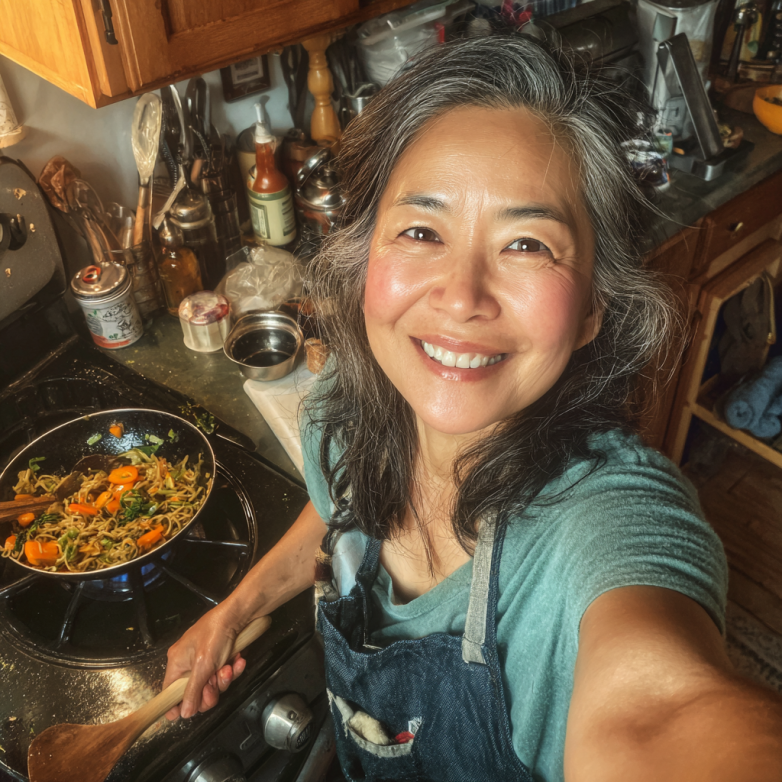
Hi, I’m Olivia Chen-Williams, a professional chef, cooking instructor, and the founder of Turn Around At 50. For nearly three decades, my life has revolved around kitchens. Not the quiet, romantic kind, but the real ones. Hot, loud, demanding, and deeply alive.