

Making this creamy leek and potato soup is more than just cooking; it’s a quiet ritual that helps me find a moment of calm in a busy day. Each step, from slicing the leeks to simmering the potatoes, becomes a form of mindful practice, a little retreat into the kitchen’s gentle rhythm.
There’s something meditative about the slow, deliberate process — the way the leeks soften with a faint sizzle, releasing a sweet, oniony aroma that fills the kitchen. It’s in this quiet space that I find clarity, turning simple ingredients into something nourishing not just for the body, but for the mind too.
This soup isn’t just comfort food; it’s a small act of mindfulness, a way to slow down and pay attention to the present moment. It’s about embracing the process, not rushing through, and finding peace in the gentle simmer and smooth, velvety texture that follows.
Focusing on the meditative process of making this soup as a form of mindful kitchen practice, turning cooking into a quiet retreat from the chaos of daily life.
The story behind this recipe
- This soup came about during a particularly chaotic week. I was craving something that would slow me down, something simple yet satisfying. Leeks and potatoes have always been my go-to combo for that creamy, comforting texture, but I wanted to make it feel a little more special, a small ritual to anchor my day.
- One evening, I was slicing leeks and noticed how their gentle, oniony fragrance reminded me of childhood kitchens — the slow simmering, the sense of calm that filled the house. That’s when I decided to make a batch, turning a humble dish into a mindful act, a small pause in the rush.
- heading: The meditative charm of this soup
Ingredient breakdown: key components
- Leeks: I love how their sweet, gentle aroma fills the kitchen as they soften, becoming silky and translucent. If yours stay stubbornly firm, give them a longer, slower cook, they’ll melt into your soup.
- Potatoes: I prefer starchy potatoes for that creamy, velvety texture. Russets break down beautifully—if you want a lighter soup, try Yukon Golds for a slightly buttery feel.
- Vegetable broth: I use homemade or store-bought, but if you want a smoky depth, a splash of mushroom broth works wonders—just watch the salt levels.
- Cream: I usually go for heavy cream, but a dollop of Greek yogurt stirred in at the end adds brightness and tang, plus it’s a bit lighter. If you skip it, the soup will still be luscious, just a touch less rich.
- Butter: I add a generous knob for richness and flavor, especially when sautéing the leeks. For a dairy-free version, olive oil does the trick, though it loses that velvety mouthfeel.
- Seasonings: I keep it simple with salt and a touch of white pepper. A pinch of fresh thyme or a bay leaf during simmer lifts the flavors—don’t skip that herbal whisper.
- Optional garnish: A sprinkle of crispy bacon bits or chives adds a contrasting crunch or fresh bite. I love how these little touches turn humble ingredients into a special bowl.
Spotlight on key ingredients
Leeks and Potatoes:
- Leeks: I love how their sweet, gentle aroma fills the kitchen as they soften, becoming silky and translucent. If yours stay stubbornly firm, give them a longer, slower cook, they’ll melt into your soup.
- Potatoes: I prefer starchy potatoes for that creamy, velvety texture. Russets break down beautifully—if you want a lighter soup, try Yukon Golds for a slightly buttery feel.
Notes for ingredient swaps
- Dairy-Free: Swap heavy cream for coconut milk or cashew cream. Expect a slightly sweeter, richer flavor and a creamier texture.
- Vegan: Use olive oil instead of butter and plant-based milk for creaminess. It’ll be lighter but still satisfying.
- Low-Sodium: Choose unsalted broth and add salt gradually. Tastes more nuanced without the salt overload.
- Potatoes: Sweet potatoes can work for a sweeter, denser soup. Yukon Golds add a buttery touch if you prefer a softer, creamier feel.
- Leeks: Shallots or scallions can replace leeks for a milder, slightly different onion-y note. Use more to compensate for the flavor difference.
- Herbs: Fresh thyme or bay leaf enhances depth. Dried herbs can be substituted but add earlier to develop flavor.
- Garnishes: Crispy bacon bits or chives add texture and flavor. For a vegetarian option, try toasted breadcrumbs or a drizzle of oil.
Equipment & Tools
- Large heavy-bottomed pot: For even heat distribution and simmering.
- Sharp knife: To prep leeks and potatoes cleanly.
- Wooden spoon: For sautéing and stirring.
- Immersion blender or regular blender: To purée the soup until smooth.
Step-by-step guide to creamy leek and potato soup
- Gather your equipment: a large heavy-bottomed pot, a sharp knife, a wooden spoon, and an immersion blender or regular blender. The pot is for simmering, the knife and spoon for prep, and the blender for pureeing.
- Prep the leeks: trim off the dark green tops and root end. Slice in half lengthwise, then chop into thin half-moons. Rinse thoroughly in cold water to remove grit. Set aside.
- Peel the potatoes: I prefer russets for creaminess. Cut into 1.5 cm (half-inch) cubes, so they cook evenly and quickly. Keep aside.
- Heat the pot over medium heat: add 2 tbsp of butter or olive oil. When melted and shimmering, add the leeks. Sauté for about 7 minutes until soft, translucent, and smelling sweet—avoid browning.
- Add the potatoes: stir to coat with the fat and leeks. Cook for another 3 minutes to start softening. Then pour in 750 ml (3 cups) of vegetable broth. Bring to a gentle simmer, about 90°C (194°F).
- Simmer gently: cover partially with a lid. Cook for 20-25 minutes until potatoes are fork-tender. Check periodically; the aroma should be sweet and leek-y, and the potatoes soft enough to mash easily.
- Blend the soup: remove from heat. Use an immersion blender directly in the pot or transfer in batches to a blender. Puree until silky smooth. Be careful with hot splashes. If too thick, add a splash more broth or water.
- Adjust seasoning: taste and add salt, white pepper, and a pinch of thyme if you like. Return the soup to low heat, stirring gently, to reheat if needed.
- Finish with cream: stir in 100 ml (about 1/3 cup) of heavy cream or Greek yogurt for brightness. Warm through for 2 minutes but don’t boil to prevent curdling.
- Rest briefly: let the soup sit off heat for 5 minutes. This allows flavors to meld. While resting, check the texture and seasoning one last time.
- Serve hot: ladle into bowls, garnish with a drizzle of cream or a sprinkle of chives. Pair with crusty bread or enjoy as is.
Let the soup rest off heat for 5 minutes. Serve hot, garnished as desired. Adjust seasoning if needed before serving.
How to Know It’s Done
- Leeks are soft and translucent, with a sweet aroma.
- Potatoes are fork-tender and break apart easily in the simmering broth.
- Soup is smooth and velvety after blending, with a gentle simmer bubbling just below boiling.

Creamy Leek and Potato Soup
Ingredients
Equipment
Method
- Trim the dark green tops and root ends off the leeks. Slice them in half lengthwise, then chop into thin half-moons. Rinse thoroughly in cold water to remove any grit, then set aside.
- Peeled potatoes are cut into roughly 1.5 cm cubes to ensure even cooking. Keep the cubes ready nearby.
- Place a large heavy-bottomed pot over medium heat. Add butter and let it melt with a gentle sizzle.
- Add the sliced leeks to the pot. Sauté slowly for about 7 minutes, stirring occasionally, until they soften, turn translucent, and emit a sweet aroma. Adjust the heat if they start to brown.
- Stir in the cubed potatoes, coating them gently with the butter and leeks. Cook for another 3 minutes, allowing the potatoes to start softening.
- Pour in the vegetable broth, then add the thyme if using. Bring the mixture to a gentle simmer, just below boiling point, and partially cover with a lid.
- Cook for 20-25 minutes, stirring occasionally, until the potatoes are fork-tender and the aroma is fragrant. The leeks should be melting into the broth.
- Remove the pot from heat. Use an immersion blender directly in the pot, or carefully transfer the soup in batches to a blender. Puree until silky and smooth, with a velvety texture.
- Return the blended soup to low heat. Stir in the heavy cream, warming gently for about 2 minutes without boiling. Taste and adjust salt and white pepper as needed.
- Let the soup rest off heat for 5 minutes to allow flavors to meld. The silky, fragrant soup is now ready to serve, garnished with a swirl of cream or a sprinkle of fresh herbs if desired.
Notes
Pro tips for creamy leek soup
- mini-head: Use low heat during sautéing to prevent browning and preserve delicate leek sweetness.
- mini-head: Keep the lid slightly ajar while simmering for gentle evaporation and concentrated flavor.
- mini-head: Puree in batches if needed, and start with less liquid—add more to reach desired creaminess.
- mini-head: Use an immersion blender for easy, splash-free pureeing directly in the pot—avoid over-blending for a slightly textured finish.
- mini-head: Taste and adjust salt at the end; the flavors concentrate as the soup cools slightly.
Common mistakes and how to fix them
- TOO MUCH HEAT: DUMPED the soup before blending → Keep at gentle simmer, avoid boiling.
- LACK OF STIRRING: FORGOT to stir after adding cream → Stir gently to prevent curdling and incorporate evenly.
- OVERCOOKING: DUMPED potatoes → Cook until just tender, overcooking makes it gluey.
- SKIPPED TASTE TEST: FORGOT to taste before serving → Always taste and adjust seasoning at the end.
Quick Fixes and Pantry Swaps
- If the soup is too thick, splash in hot broth and stir until smooth.
- When leeks stay gritty, rinse thoroughly and cook longer on low heat.
- Splash a little lemon juice if the flavor feels dull after blending.
- Patch over a crackling surface with a spoonful of hot oil for added sheen.
- Shield the soup with a lid if it begins to over-torch, keeping flavors balanced.
Prep, store, and reheat tips
- You can prep the leeks and potatoes a day ahead; store them in airtight containers in the fridge. The fresh aroma makes chopping feel less like a chore.
- Soup keeps well in the fridge for up to 3 days. Reheat gently over low heat, stirring often, until steaming and smooth—watch for bubbling too hard.
- For longer storage, freeze in portions for up to 2 months. The texture may loosen slightly upon thawing, but a quick blitz with the immersion blender restores creaminess.
- Reheat from fridge or freezer by warming slowly, aiming for a gentle shimmer—avoid rapid boiling which can break the velvety texture. Add a splash of broth if it thickens too much.
Top questions about creamy leek and potato soup
1. How do I clean leeks properly?
Leeks can be gritty; rinse them thoroughly and cook slowly until translucent to soften their texture.
2. Can I substitute potatoes?
Use starchy potatoes like Russets for a creamier texture, but Yukon Golds add a buttery touch if you prefer lighter soup.
3. What are good dairy-free options?
Yes, you can use coconut milk or cashew cream instead of heavy cream for a dairy-free version, which will be slightly sweeter.
4. Should I blend the soup completely smooth?
Blend the soup until smooth, but leave a little texture if you prefer some bite. Use an immersion blender for ease.
5. How do I know when it’s seasoned right?
Add salt and seasonings gradually, tasting as you go. The flavors develop a lot after resting a few minutes off heat.
6. How should I reheat leftovers?
Reheat gently on low to preserve the velvety texture. Stir often and add a splash of broth if it thickens too much.
7. When should I serve it for best flavor?
This soup is best served hot, garnished with chives or a swirl of cream. It’s comforting and soothing on cold days.
8. What if my soup is too watery?
If the soup turns out too thin, simmer uncovered for a few minutes to reduce and concentrate flavors.
9. How do I fix a bland soup?
Add a touch of lemon or vinegar at the end to brighten the flavor if it tastes flat.
10. What’s the best way to blend the soup?
Use an immersion blender directly in the pot for quick pureeing, or carefully blend in batches for a silky finish.
This soup is more than just a cozy bowl; it’s a mindful pause, a moment to breathe in the kitchen. The gentle aroma of leeks and the creamy texture remind me to slow down and savor simple pleasures.
Whenever I make this, I feel connected to those quiet evenings of peeling, sautéing, and blending—an act of care that turns humble ingredients into something nourishing for both body and mind. It’s a small ritual that feels grounding, especially now when comfort feels more necessary than ever.
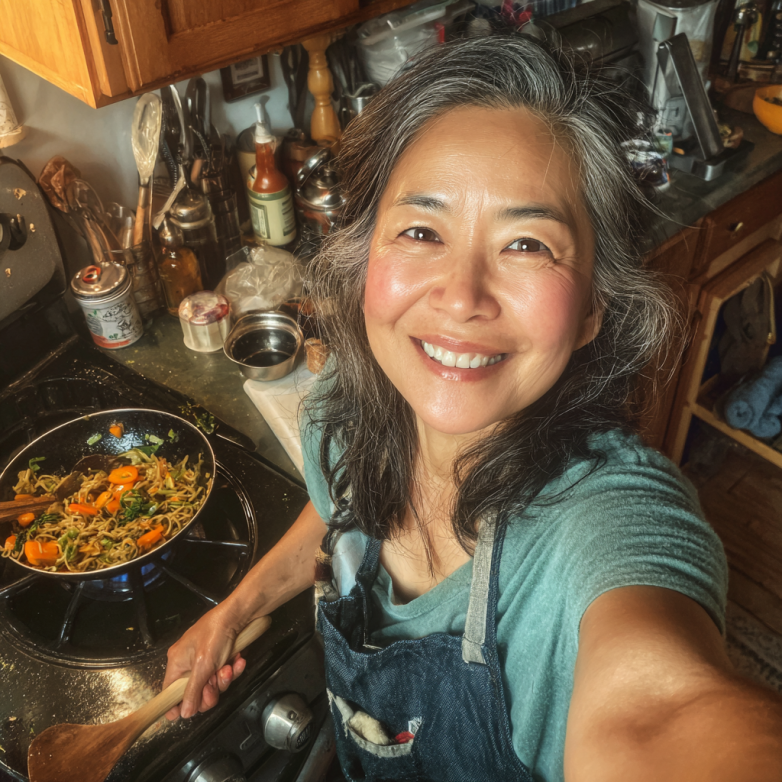
Hi, I’m Olivia Chen-Williams, a professional chef, cooking instructor, and the founder of Turn Around At 50. For nearly three decades, my life has revolved around kitchens. Not the quiet, romantic kind, but the real ones. Hot, loud, demanding, and deeply alive.