
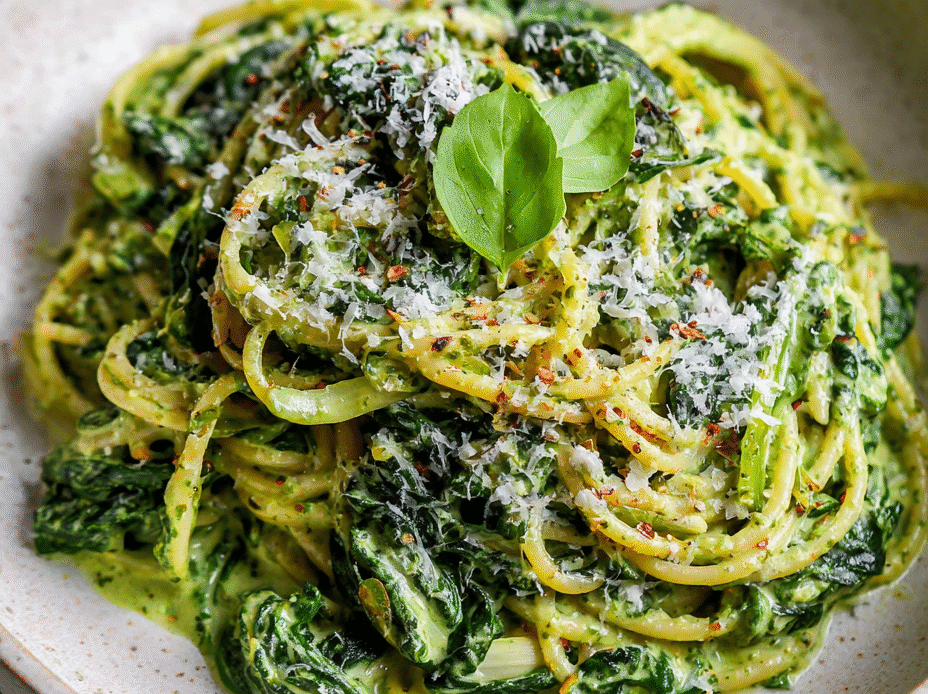
This creamy spinach pasta isn’t about overspending on fancy ingredients or complicated techniques. It’s about understanding that moment when the greens hit the hot pan and release their bright, earthy aroma, mixing with the rich, silky sauce. I’ve learned that controlling the heat and timing is what makes all the difference—stop too soon and it’s raw, go too long and you lose that vibrant bite from the spinach.
I keep coming back to this dish because it’s honest, straightforward, and somehow feels like a little secret I’ve perfected over the years. It’s the kind of meal that turns weeknights into something a bit more special without requiring a trip to the store. Plus, the way the cheese and greens dance together on the tongue—well, it’s just enough to make me crave it again and again.
Focusing on the overlooked art of balancing creaminess with just enough bite from the spinach, this recipe highlights the importance of timing and heat control to achieve that perfect, velvety texture without overcooking the greens.
The story behind this recipe
- This recipe came from a lazy weekend afternoon when I realized I had a bag of spinach that needed using up and a craving for something rich but quick. I wanted something that felt indulgent but didn’t require a trip to buy fancy ingredients or spend hours in the kitchen. It’s about that moment when I toss the greens into the hot pan and they immediately brighten, releasing a fragrant, earthy aroma that mixes with the creamy sauce—pure comfort.
- Over the years, I’ve tweaked it to get just the right balance—enough creaminess to coat the pasta but still letting the spinach’s freshness shine through. It’s become a go-to because it’s honest, unpretentious, and somehow makes me feel like I’ve cracked a little secret every time I make it. Plus, the way the cheese melts into the sauce, creating that silky sheen, keeps pulling me back.
- It’s perfect for nights when I want something satisfying but don’t want to fuss, and it always feels like a small victory. I think what keeps me coming back is that it’s a dish of contrasts—bright greens, rich cream, and a hint of garlic—that together create something greater than the sum of its parts.
Breakdown of the key ingredients
- Spinach: I pick fresh, vibrant leaves that still have a slight crispness. When cooked, they become silky and bright—just the right amount of wilted. If yours is too muddy, give it a good wash, and if it’s wilted, skip it or add a touch of lemon juice to perk it up.
- Cream: I use heavy cream for that lush, velvety texture. It’s the backbone of the sauce, but if you want a lighter vibe, try half-and-half—less richness, still creamy enough to coat the pasta beautifully.
- Garlic: I love smashing garlic cloves to release their pungent aroma early in the pan. It’s the flavor that makes the dish come alive. If you’re sensitive to raw garlic, sauté it slowly until golden for a sweeter, mellow note.
- Parmesan: I grate fresh Parmesan right into the sauce just before serving. It melts into the cream, creating that cheesy shimmer. If you don’t have Parmesan, Pecorino works well, or even a sharp aged cheddar for a different tang.
- Pasta: I prefer a good quality spaghetti or linguine—something that holds the sauce. Cook it al dente, then toss it straight into the sauce while still hot. If overcooked, it turns mushy—so watch that timing!
- Olive Oil: I drizzle a little good extra virgin olive oil at the start and finish—adds depth and a glossy finish. If you’re out, a neutral oil works, but skip the flavorless stuff for best aroma.
- Lemon (optional): A squeeze of lemon brightens the greens and cuts through the richness. I add it at the end, just before serving, for that fresh zing—if you prefer, skip it for a more mellow profile.
Spotlight on key ingredients
Spinach:
- I choose fresh, tender leaves that wilt quickly, releasing a bright, earthy aroma. Wilted spinach becomes silky and vibrant—look for that deep green sheen. If it’s muddy or limp, give it a good wash and skip if too old.
- Parmesan: I grate fresh Parmesan right before adding to the sauce. It melts into the cream, creating a glossy, cheesy sheen. If you don’t have Parmesan, Pecorino or aged cheddar can add depth, but the flavor will shift slightly.
Cream and garlic:
- Cream: I use heavy cream for its rich, velvety texture. It’s the backbone of the sauce, turning silky and indulgent. For a lighter option, try half-and-half—still creamy but less heavy, with a slightly thinner mouthfeel.
- Garlic: I smash garlic cloves to release their pungency early, filling the pan with a warm, fragrant aroma. When sautéed gently, it becomes mellow and sweet—if it browns too quickly, lower the heat to avoid bitterness.
Notes for ingredient swaps
- Dairy-Free: Swap heavy cream for coconut milk or cashew cream for a rich, plant-based alternative. It won’t be as thick, but still velvety.
- Vegan Cheese: Use nut-based cheeses or nutritional yeast instead of Parmesan. Expect a slightly different, nuttier flavor.
- Olive Oil: Substitute with avocado oil or a neutral vegetable oil if you’re out. The flavor will be milder, but it still provides good fat.
- Spinach: If fresh isn’t available, frozen spinach works—just thaw and squeeze out excess water. It’s softer but still vibrant when cooked.
- Pasta: Whole wheat or gluten-free pasta can replace regular spaghetti. They may cook a bit faster or slower, so watch the timing.
- Lemon: Skip or replace with a splash of white wine vinegar or apple cider vinegar for acidity, adding brightness without citrus.
- Cheese: Pecorino Romano or aged cheddar can stand in for Parmesan. They bring a different sharpness but still add that cheesy umami.
Equipment & Tools
- Large sauté pan: To cook spinach and sauce evenly.
- Pasta pot: To boil and drain the pasta.
- Tongs: To toss pasta and combine ingredients.
- Cheese grater: To grate fresh Parmesan cheese.
How to make creamy spinach pasta
- Gather all equipment: a large sauté pan, tongs, a cheese grater, and a pasta pot. Boil water with a pinch of salt, bring to 100°C/212°F. Cook pasta until just al dente, about 8 minutes. Drain, reserving a cup of pasta water.
- While pasta cooks, heat the sauté pan over medium heat (about 160°C/320°F). Add a tablespoon of olive oil, swirl to coat. Toss in minced garlic, cook until fragrant, about 30 seconds. Don’t let it brown or it gets bitter.
- Add a generous handful of fresh spinach to the pan. Stir and cook until wilted, about 2 minutes. The spinach should turn a vibrant dark green and release a faint earthy aroma. If it starts to release too much water, turn up the heat slightly.
- Pour in heavy cream—about 1 cup—and stir. Bring it to a gentle simmer, then reduce heat to low (around 80°C/175°F). The cream should thicken slightly and coat the spinach and pan surface. If it gets too thick, add reserved pasta water a tablespoon at a time.
- Stir in freshly grated Parmesan cheese—about half a cup—until melted and glossy. Add a squeeze of lemon juice if using, for brightness. Taste and adjust salt and pepper as needed. The sauce should be creamy, velvety, and vibrant.
- Add the drained pasta directly into the sauce. Toss well to coat evenly—use tongs. If the sauce seems too thick, loosen with more reserved pasta water, a splash at a time. The pasta should be shiny and coated, not swimming.
- Cook for another 1-2 minutes, stirring gently. Check for doneness—pasta should be hot and glossy, spinach still bright, sauce silky but not runny. If the sauce separates or looks greasy, lower the heat and stir in a bit more pasta water.
- Remove from heat. Let rest for 1 minute to allow flavors to meld. Finish with a drizzle of olive oil, a sprinkle of Parmesan, and fresh cracked black pepper. Serve immediately, garnished with extra Parmesan if desired.
Let the pasta sit for a minute after mixing to settle the flavors. Finish with a drizzle of olive oil and more Parmesan. Plate immediately—accept no delays; the sauce is at its best hot and velvety.
How to Know It’s Done
- Spinach is wilted and bright green without excess water.
- Sauce is silky, coats pasta evenly, and has a slight sheen.
- Pasta is al dente, with a slight bite, and not mushy.
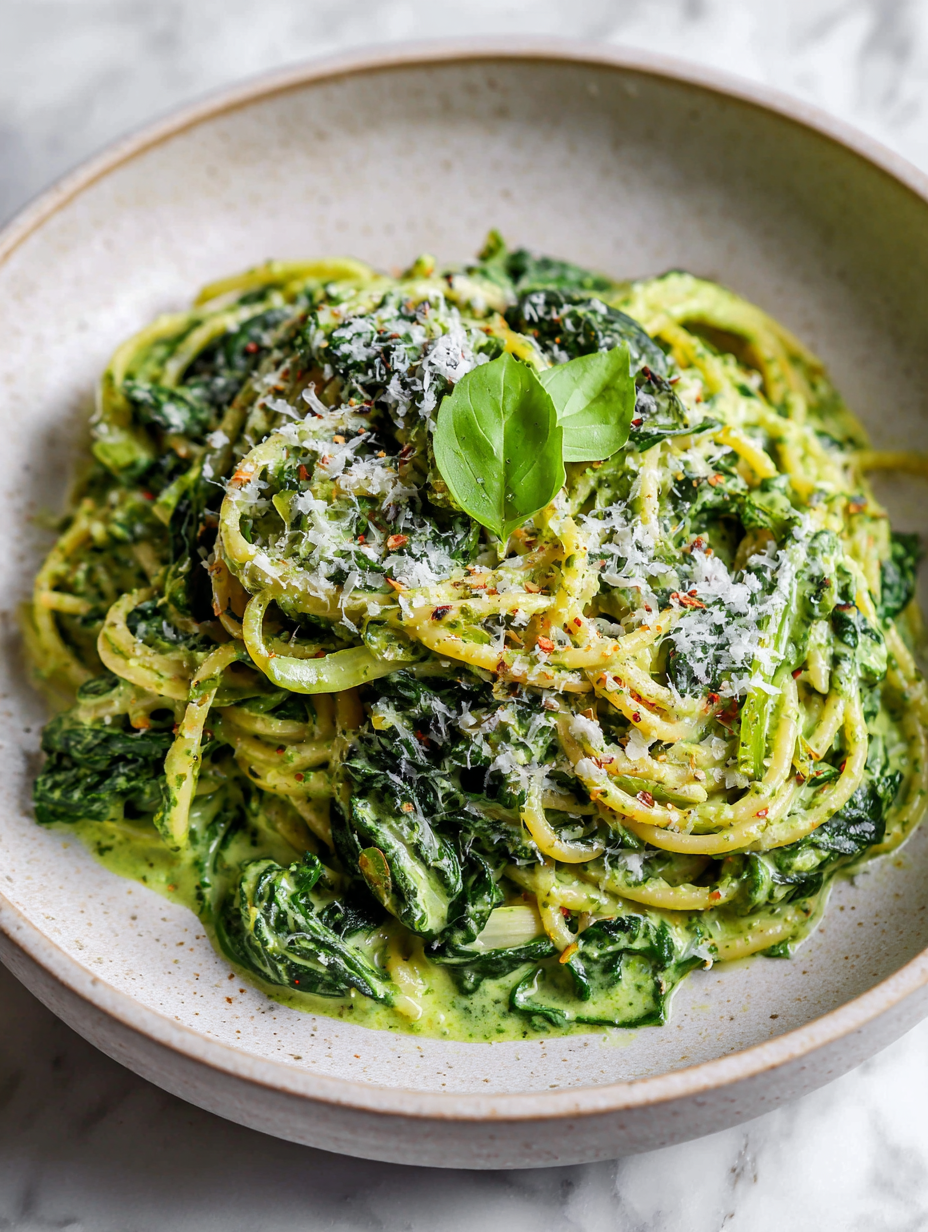
Creamy Spinach Pasta
Ingredients
Equipment
Method
- Bring a large pot of salted water to a rolling boil and cook the pasta until just al dente, about 8 minutes. Drain, reserving a cup of pasta water, and set aside.
- While the pasta cooks, heat a large sauté pan over medium heat and add 1 tablespoon of olive oil. Once shimmering, add the minced garlic and cook until fragrant, about 30 seconds, until you smell a warm, pungent aroma.
- Add the fresh spinach to the pan in batches if needed. Stir and cook until wilted, about 2 minutes, until the leaves turn a vibrant dark green and release a faint earthy aroma. If the greens release too much water, increase the heat slightly to evaporate excess moisture.
- Pour in the heavy cream and stir gently. Bring it to a gentle simmer, then reduce the heat to low. Let the sauce thicken slightly for 2-3 minutes, coating the spinach evenly, until it looks silky and velvety.
- Stir in the grated Parmesan cheese until melted and glossy, creating a cheesy sheen. Add a squeeze of lemon juice and season with salt and pepper to taste, adjusting for balance and brightness.
- Add the drained pasta directly into the sauce, tossing with tongs to coat evenly. If the sauce feels too thick, gradually stir in reserved pasta water a tablespoon at a time until it reaches a silky, smooth consistency that coats the noodles beautifully.
- Cook everything together for another 1-2 minutes to allow flavors to meld and the pasta to soak up the sauce, resulting in a shiny, vibrant dish. Check for seasoning and adjust with more salt, pepper, or lemon if desired.
- Remove from heat, drizzle with a little extra olive oil if desired, and serve immediately. Garnish with additional Parmesan or cracked black pepper for a perfect finish.
Pro tips for creamy spinach pasta
- Bolded Mini-Head: Use fresh spinach—vibrant leaves wilt quickly and release a bright aroma, adding color and flavor.
- Bolded Mini-Head: Sauté garlic gently—cook over medium heat until fragrant, avoiding browning to prevent bitterness.
- Bolded Mini-Head: Incorporate pasta water—add a splash to loosen sauce and achieve a silky, cohesive coating.
- Bolded Mini-Head: Grate cheese finely—this helps it melt smoothly into the cream without clumping.
- Bolded Mini-Head: Watch your heat—keep it moderate during simmering to prevent the sauce from breaking or separating.
- Bolded Mini-Head: Taste and adjust—season with salt, pepper, and lemon at the end for maximum brightness.
Common mistakes and how to fix them
- FORGOT to lower heat, sauce separates—fix by stirring in cold pasta water.
- DUMPED all cheese at once, clumping—add cheese gradually for silky melt.
- OVER-TORCHED garlic, bitter taste—sauté over medium, watch for golden aroma.
- MISSED to season with salt and pepper—adjust after sauce thickens for balanced flavor.
Quick fixes and pantry swaps
- When sauce separates, splash in cold pasta water and stir vigorously.
- DUMPED all cheese at once? Add it gradually for a smooth, cheesy sauce.
- Over-torched garlic? Lower heat and cook until fragrant, then start over if bitter.
- Forgot to season? Taste and adjust salt and pepper before serving.
- heading:
Prep, store, and reheat tips
- Prepare the sauce ingredients—wash and chop spinach, grate cheese, and mince garlic—up to a day ahead to save time. Keep refrigerated and covered, sensory cue: fresh, earthy aroma.
- Cook the pasta until just al dente, then drain and toss with a little oil to prevent sticking. Store in an airtight container in the fridge for up to 24 hours. Reheat in boiling water for 30 seconds to regain texture.
- Reheat the sauce gently over low heat, stirring constantly. Add a splash of reserved pasta water to loosen it. The sauce should become creamy and velvety again, with a fragrant garlic aroma returning.
- Leftovers can be stored in an airtight container in the fridge for up to 2 days. Expect the spinach to wilt further and the sauce to thicken slightly, so loosen with a bit of hot pasta water or milk when reheating.
Top questions about creamy spinach pasta
1. How do I keep the spinach bright and not soggy?
Use fresh spinach and cook it just until wilted to keep the bright color and slight crunch. Overcooked spinach turns dull and mushy.
2. How do I get a smooth, cheesy sauce?
Add the Parmesan cheese right before serving, stirring until melted for a glossy, cheesy sauce. If it clumps, lower the heat and add more pasta water.
3. How do I prevent the pasta from turning mushy?
Cook the pasta until just al dente, then toss it into the sauce immediately. Overcooked pasta will turn mushy and won’t hold the sauce well.
4. Can I make this dish lighter or dairy-free?
Use heavy cream for richness, but for a lighter version, try half-and-half or a plant-based cream. The texture will be slightly less velvety but still delicious.
5. Should I add lemon or vinegar?
Add a squeeze of lemon right at the end to brighten the flavors. It cuts through the richness and enhances the greens’ freshness.
6. How do I loosen the sauce if it gets too thick?
Stir in reserved pasta water gradually until the sauce is silky and coats the pasta evenly. It helps loosen the sauce if it gets too thick.
7. How do I prevent garlic from burning?
Sauté garlic gently over medium heat until fragrant, about 30 seconds. Do not let it brown or it will turn bitter.
8. What’s the best pan size for this?
Use a large sauté pan to give the spinach room to wilt quickly and evenly. Overcrowding can make the greens soggy and uneven.
9. When should I season the dish?
Taste and adjust seasoning—salt, pepper, and lemon—before serving to balance the flavors and enhance the dish’s brightness.
10. How do I reheat without losing texture?
Reheat gently over low heat, stirring constantly, and add a splash of pasta water or milk to restore creaminess. The sauce should shimmer and smell fragrant.
This dish is a reminder that simple ingredients, when treated with care, can create something unexpectedly satisfying. The gentle aroma of garlic and the vibrant green of spinach make each bite feel fresh and comforting. It’s quick, honest, and perfect for those nights when you want something wholesome without fuss.
Sometimes, it’s the small details—like the shimmer of melted cheese or the bright squeeze of lemon—that turn everyday pasta into a little celebration. It’s not about perfection, but about savoring the process and enjoying the familiar, hearty flavors.
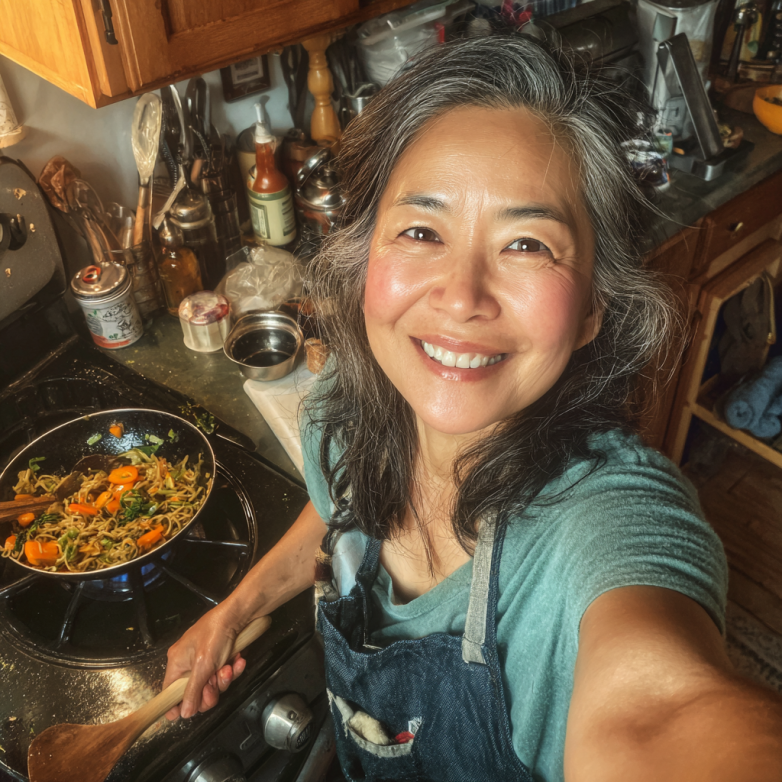
Hi, I’m Olivia Chen-Williams, a professional chef, cooking instructor, and the founder of Turn Around At 50. For nearly three decades, my life has revolved around kitchens. Not the quiet, romantic kind, but the real ones. Hot, loud, demanding, and deeply alive.