
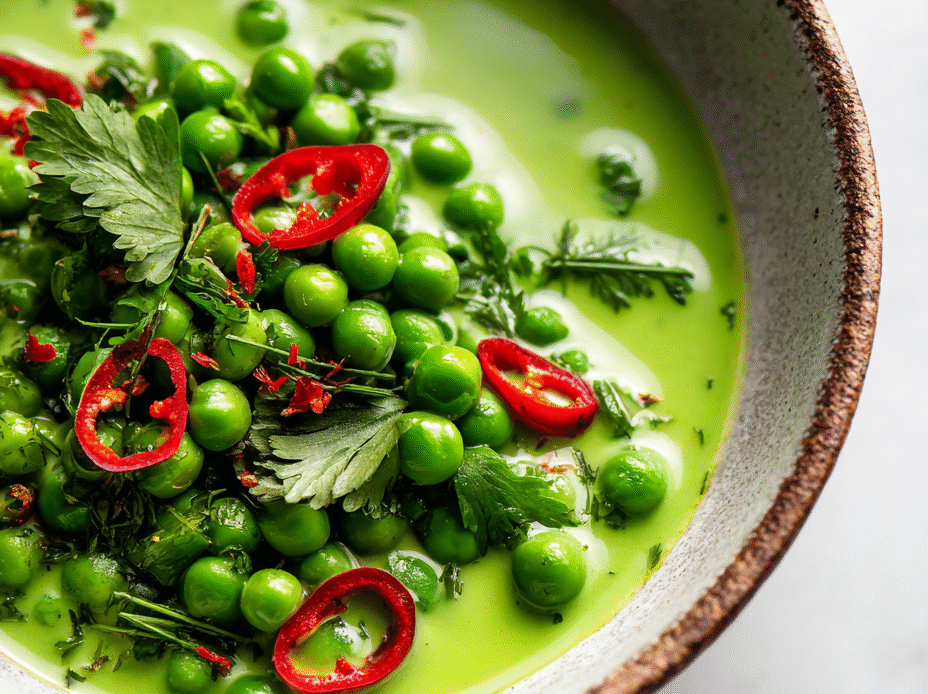
Green peas often get lost in the shuffle, but I find their sweet, grassy notes are perfect for a simple curry. It’s a dish I turn to when I want something cozy yet fresh, especially in spring when the peas are at their peak. The gentle sweetness balances beautifully with spicy, aromatic sauce, making it a surprisingly satisfying meal from humble ingredients. I love how this dish reminds me of childhood afternoons in the garden, peas bursting in my mouth after a quick pick.
What I especially like about this recipe is how adaptable it is. You can throw in a handful of herbs, swap the coconut milk for cream, or add a splash of lemon to brighten it up. It’s a forgiving, forgiving dish that rewards a little improvisation. Plus, it’s quick enough to make on a weeknight but special enough to serve to friends — no fuss, just good, honest flavors.
Focusing on the overlooked sweetness of fresh green peas, this curry highlights their natural, slightly grassy flavor, transforming a humble ingredient into a vibrant, comforting dish with a nostalgic twist.
Story Behind This Dish
- This recipe started as a way to use up a big bag of frozen peas I had in the freezer. I wanted something bright, simple, and comforting that would make those little green gems shine. I remember making it on a rainy day, the kitchen filled with the sweet, grassy aroma of peas simmering gently in coconut milk. That moment, I realized how easily a humble ingredient could turn into something special, just with a touch of spice and patience.
- The inspiration comes from childhood memories of snacking on fresh peas straight from the pod, that burst of sweetness on my tongue. Over time, I’ve tweaked it to suit my busy weeknights—fast, flavorful, and honest. It’s become a dish I turn to when I need a quick pick-me-up, or when I want to remind myself that simplicity can be truly satisfying.
- heading
- Story Behind This Dish
Ingredient breakdown
- Fresh or frozen green peas: I find that bright, sweet peas, whether fresh in spring or frozen year-round, give the curry that vibrant, grassy flavor. Skip the duller, starchy ones if you can.
- Coconut milk: I prefer full-fat coconut milk for creaminess and depth, but a lighter version works if you want a less rich dish. Shake the can well—sometimes the cream separates and needs mixing back in.
- Garam masala: I love the aroma of toasted spices here, but if you’re out, a pinch of curry powder can mimic the warmth. Toast it briefly in the pan for extra flavor.
- Onion and garlic: The base of any good curry—sweat until translucent and fragrant, about 5 minutes. If they brown too quickly, lower the heat to avoid bitterness.
- Lemon or lime juice: A squeeze at the end brightens everything, especially if the peas feel a touch dull or sweet. Be gentle and taste as you go.
- Fresh herbs (cilantro or mint): I toss in herbs right before serving for a fresh, aromatic punch. Dried herbs won’t give the same lively effect, so use fresh if possible.
- Oil (vegetable or coconut): Use enough to gently fry the aromatics—about 2 tablespoons—until they shimmer and smell nutty, but not burned. That smoky note ruins the delicate sweetness of the peas.
Spotlight on key ingredients
Green peas and coconut milk:
- Fresh or frozen green peas: I find that bright, sweet peas, whether fresh in spring or frozen year-round, give the curry that vibrant, grassy flavor. Skip the duller, starchy ones if you can.
- Coconut milk: I prefer full-fat coconut milk for creaminess and depth, but a lighter version works if you want a less rich dish. Shake the can well—sometimes the cream separates and needs mixing back in.
- Garam masala: I love the aroma of toasted spices here, but if you’re out, a pinch of curry powder can mimic the warmth. Toast it briefly in the pan for extra flavor.
Notes for ingredient swaps
- Fresh or frozen peas: I find fresh peas in spring are bright and crisp, but frozen works year-round and saves time. If peas are dull, try a quick blanch to revive their color.
- Coconut milk: Full-fat coconut milk adds richness, but light coconut milk or cashew cream can lighten the dish without losing creaminess. Shake well to avoid separation.
- Garam masala: If you don’t have it, curry powder with a pinch of cinnamon and cloves can mimic the warm spice profile. Toast for extra depth.
- Onion and garlic: Shallots or leeks can substitute for onion for a milder, sweeter flavor. Use garlic powder if fresh isn’t available—just less pungent.
- Lemon or lime juice: A splash of vinegar or a dash of tamarind paste can brighten the curry if citrus isn’t on hand. Adjust to taste, adding gradually.
- Fresh herbs (cilantro or mint): Dried herbs are less vibrant, but a pinch can add some flavor. For a different twist, basil or parsley can work as well.
- Oil (vegetable or coconut): Use whatever neutral oil you have—olive oil is fine, but it adds a different aroma. Just enough to sweat the aromatics without splattering.
Equipment & Tools
- Medium heavy skillet: To cook the curry evenly and retain flavors.
- Wooden spoon: For stirring without scratching the pan.
- Sharp knife: To prep onion, garlic, and herbs efficiently.
- Measuring cup: To measure liquids accurately.
Step-by-step guide to pea curry
- Equipment & Tools: Use a medium-sized heavy skillet (non-stick if possible) to ensure even heat distribution. A wooden spoon for stirring, a sharp knife for prep, and a measuring cup are essential.
- Heat 2 tbsp oil in the skillet over medium heat (about 160°C/320°F). When shimmering, add 1 chopped onion. Cook for 5-7 minutes, stirring often, until translucent and fragrant.
- Add 2 minced garlic cloves and 1 tsp grated ginger to the pan. Cook for 1 minute until fragrant, stirring constantly to prevent burning.
- Stir in 1 tsp garam masala and ½ tsp turmeric. Toast for 30 seconds until spices release aroma, then immediately add 1 cup coconut milk. Mix well, scraping up any browned bits.
- Bring the mixture to a gentle simmer. Add 2 cups fresh or frozen green peas. Reduce heat slightly (about 130°C/265°F). Simmer gently for 8-10 minutes, until peas are tender and sauce thickens slightly.
- Check the curry’s color and aroma; it should be vibrant and fragrant, with peas tender but still bright green. If it thickens too much, stir in a splash of water or more coconut milk.
- Turn off heat. Stir in a squeeze of lemon juice and chopped herbs if using. Taste and adjust salt or spice as needed.
- Rest the curry for 2-3 minutes. Serve hot, garnished with extra herbs or a drizzle of coconut milk if desired. Pair with rice or flatbread.
Let the curry rest off heat for a couple of minutes. Finish with a squeeze of lemon and fresh herbs. Serve immediately with rice or bread, ensuring the peas stay vibrant and the sauce thick enough to cling.
How to Know It’s Done
- Peas are tender but still bright green, with a slight bite.
- The sauce is creamy, fragrant, and coats the peas evenly.
- A bright scent of lemon or herbs is noticeable before serving.
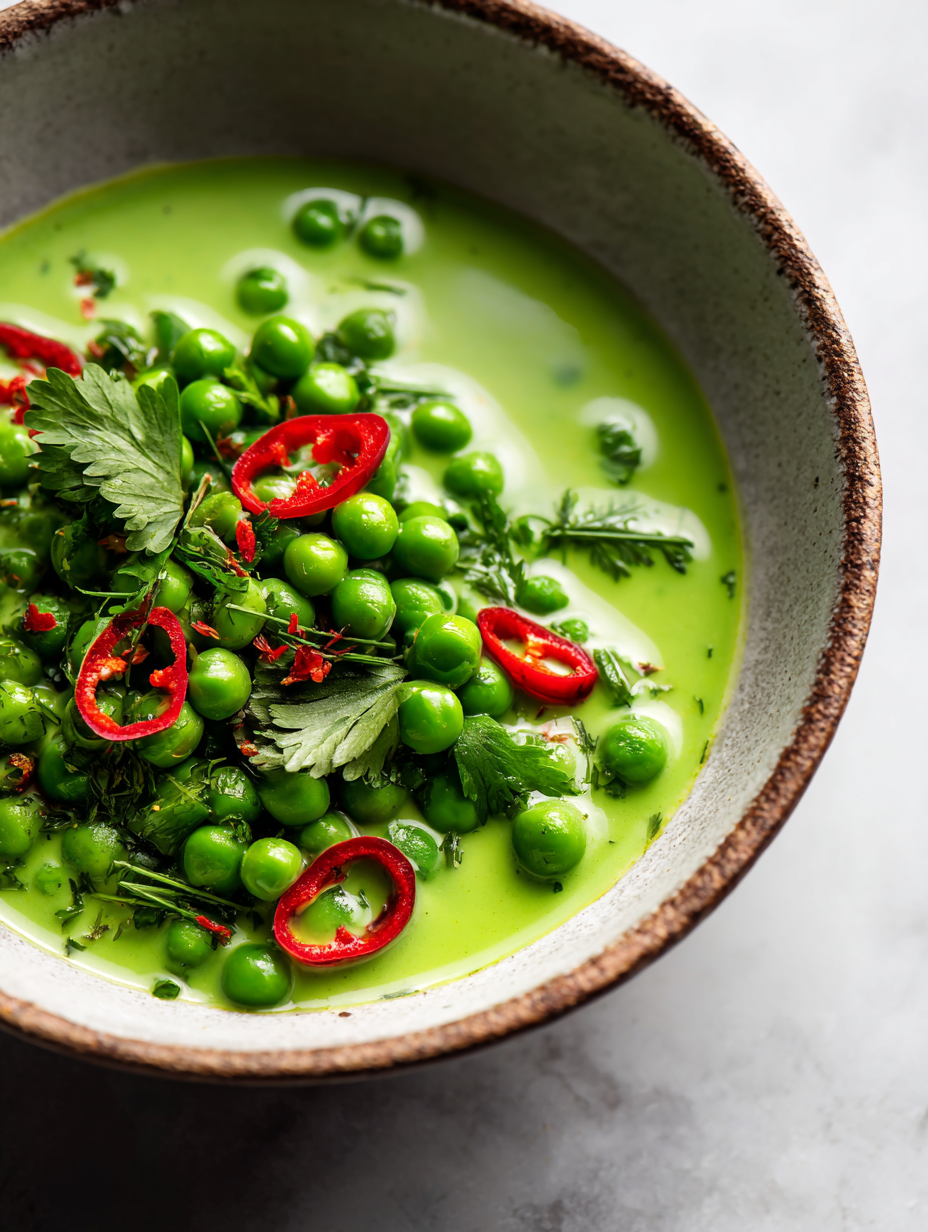
Green Pea Coconut Curry
Ingredients
Equipment
Method
- Heat the oil in a medium heavy skillet over medium heat until it shimmers and begins to gently crackle.
- Add the chopped onion and cook, stirring frequently, for about 5-7 minutes until it becomes translucent and soft, filling the kitchen with a sweet aroma.
- Stir in the minced garlic and grated ginger, cooking for about 1 minute until fragrant, with aromas rising and the mixture bubbling gently.
- Add the garam masala and turmeric, stirring briefly to toast the spices for about 30 seconds, releasing warm, aromatic notes.
- Pour in the coconut milk, stirring well to combine and scrape up any browned bits from the bottom of the pan, creating a fragrant, creamy sauce.
- Bring the mixture to a gentle simmer, then add the green peas, stirring to distribute them evenly in the sauce.
- Reduce the heat slightly and simmer gently for 8-10 minutes, until the peas are tender and the sauce has thickened slightly, coating the peas nicely.
- Turn off the heat and stir in a squeeze of lemon or lime juice for brightness, then sprinkle with chopped fresh herbs for a fresh, aromatic finish.
- Allow the curry to rest for a few minutes off heat, letting the flavors meld and intensify a little before serving.
- Serve the vibrant green pea coconut curry hot, accompanied by rice or flatbread, with the peas still bright and the sauce creamy and fragrant.
Notes
Tips & Tricks for Perfect Pea Curry
- Bolded mini-head: Use fresh peas when in season for a sweeter, more vibrant flavor that really pops.
- Bolded mini-head: Toast your spices lightly before adding liquids; it releases essential oils and deepens aroma.
- Bolded mini-head: Simmer gently—about 130°C/265°F—so the peas stay bright and don’t turn mushy.
- Bolded mini-head: Stir frequently after adding coconut milk to prevent sticking and ensure a smooth, creamy sauce.
- Bolded mini-head: Add a splash of lemon juice at the end—brightens the dish and highlights the pea sweetness.
- Bolded mini-head: If the sauce thickens too much, stir in a little warm water or more coconut milk for a silky finish.
- Bolded mini-head: Rest the curry for 2-3 minutes off heat before serving; this helps flavors meld and intensify.
Common mistakes and how to fix them
- FORGOT to watch the peas: overcooked peas turn dull and mushy—remove from heat promptly.
- DUMPED too much water: dilute the curry—add more coconut milk or simmer longer to thicken.
- OVER-TORCHED spices: burn spices at the bottom—toast on low heat and stir constantly.
- SKIPPED resting time: serve immediately—resting helps flavors meld and thickens the sauce.
Quick fixes and pantry swaps
- When peas look dull, splash them with lemon juice to brighten their natural sweetness.
- If sauce is too thick, stir in a quick splash of warm water or coconut milk to loosen.
- Splash a bit of oil on burnt spices and scrape up the flavorful bits—quick flavor rescue.
- Patch over overcooked peas with fresh herbs and a squeeze of citrus for added freshness.
- Shield from heat when sauce bubbles too vigorously—lower the flame to prevent burning.
Prep, store, and reheat tips
- Prep the curry base: Sauté the aromatics and spices ahead—store in an airtight container for up to 2 days. Reheat gently, smelling warm and fragrant as you stir in peas.
- Freeze leftovers: Once cooled, transfer to a freezer-safe container—good for up to 3 months. Thaw overnight in the fridge and reheat until bubbling and steaming, with a fresh aroma and vibrant color.
- Store in the fridge: Keep in a sealed container for up to 2 days. Expect the sauce to thicken slightly; stir in a splash of water or coconut milk while reheating to restore creaminess.
- Reheat with care: Gently warm the curry over low heat or in the microwave, stirring occasionally. Look for a smooth, fragrant sauce and peas that are heated through but still bright green.
Top questions about green pea curry
1. Can I use frozen peas instead of fresh?
Fresh peas give the best sweetness and vibrant color, but frozen peas work well if out of season. Use what’s available for the best texture.
2. Can I substitute coconut milk?
Yes, use full-fat coconut milk for creaminess and depth. Shake the can well before adding to avoid separation.
3. What if I don’t have garam masala?
Yes, you can swap garam masala for curry powder, but toast it briefly in the pan first to release more flavor.
4. Should I add lemon juice?
Add lemon or lime juice at the end to brighten the dish and highlight the peas’ sweetness. Taste first and adjust accordingly.
5. How do I know when the peas are done?
Cooking the peas too long makes them mushy and dull. Remove from heat as soon as they are tender and bright green.
6. What tools are best for this recipe?
Use a heavy skillet to distribute heat evenly. A wooden spoon helps prevent scratching and stirs ingredients gently.
7. What if the sauce gets too thick?
If the sauce is too thick, stir in a splash of water or more coconut milk to loosen it up without losing creaminess.
8. Can I make this ahead?
You can prepare the aromatics and spices ahead of time, then reheat and add peas just before serving for fresh flavor.
9. How do I fix dull peas or sauce?
When peas look dull or color fades, splash with lemon juice or sprinkle fresh herbs for instant brightness.
10. How do I tell if it’s done?
When the curry smells fragrant and the sauce is creamy with vibrant peas, it’s ready to serve. The peas should stay bright and tender.
This green pea curry is a reminder that simple ingredients can shine with just a bit of care. The fresh burst of sweetness and the creamy, fragrant sauce make it a dish I keep coming back to, especially when peas are in season. It’s quick, honest, and honest-to-goodness satisfying.
In the end, it’s about those little moments—the aroma filling the kitchen, the vibrant green color, and that perfect balance of spice and sweetness. Not every meal needs fuss or fancy ingredients; sometimes, humble peas are enough to turn a weeknight into something special.
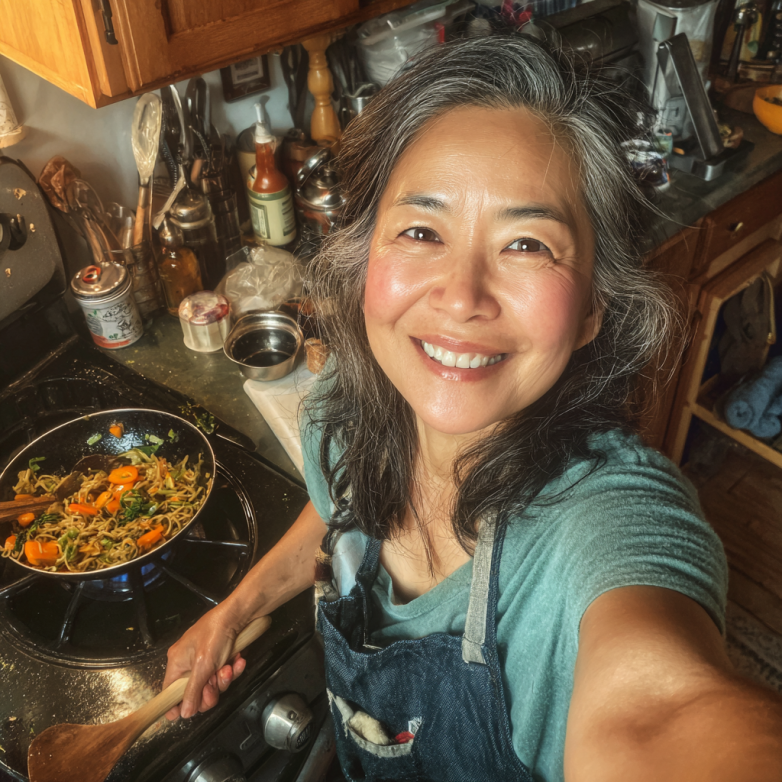
Hi, I’m Olivia Chen-Williams, a professional chef, cooking instructor, and the founder of Turn Around At 50. For nearly three decades, my life has revolved around kitchens. Not the quiet, romantic kind, but the real ones. Hot, loud, demanding, and deeply alive.