
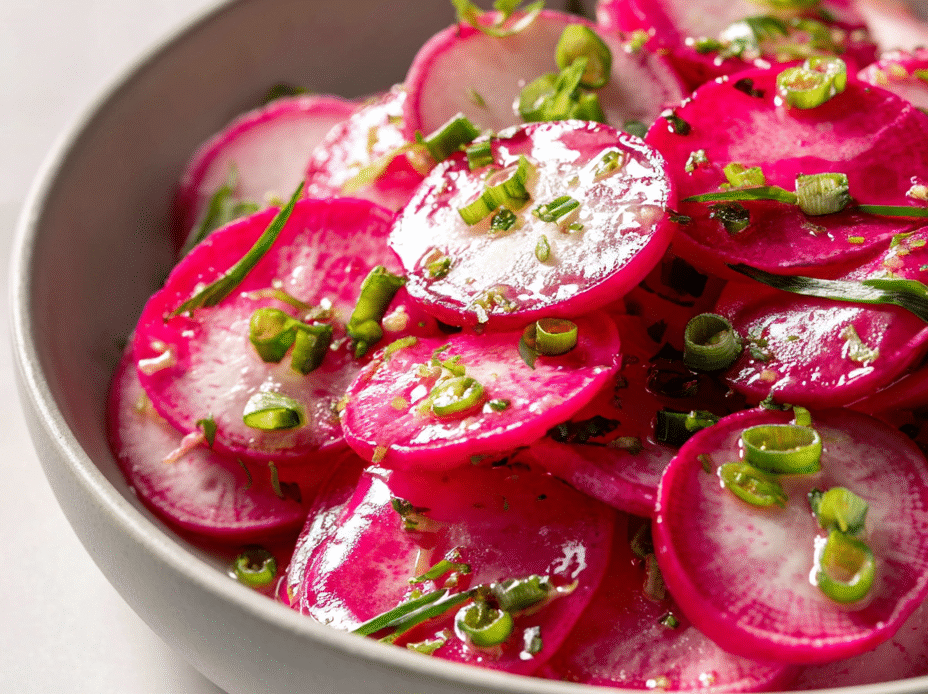
Radishes often get sidelined as a crunchy snack or a salad garnish, but I’ve found their real magic in a quick stir fry. There’s something about their peppery bite and firm texture that transforms a simple veggie medley into something lively and unexpected. It’s like giving radishes a new lease on life, one that celebrates their sharpness instead of hiding it.
This recipe is all about embracing their raw edge—cooked just enough to soften but still retain that satisfying snap. It’s perfect for nights when I want something fast, fresh, and packed with flavor. Plus, it’s a reminder that even humble ingredients can surprise you when treated with a little respect and a hot pan.
Focusing on the overlooked potential of radishes in stir fry, highlighting their crispness and peppery zing that add a surprising punch to quick, everyday meals.
The story behind this recipe
- I stumbled on this radish stir fry by accident, really. One busy evening, I needed something quick, bright, and a little different. I was about to toss radishes into a salad, but then I thought—what if I sautéed them instead? The idea of preserving that peppery bite, but softening it just enough, stuck with me.
- It’s funny how something so simple can turn into a little ritual. Now, whenever I find a bunch of radishes that look a bit too lively for salads, I give them a quick stir fry. It’s a way to keep their crunch but add a smoky, savory depth I didn’t expect. That first bite, with a little soy and garlic, always feels like a small victory.
- heading
Key ingredients and their quirks
- Radishes: I love the sharp, peppery bite they bring. If yours are too mild, try slicing thinner to maximize their zing.
- Garlic: I use plenty—its aroma melting into the oil is irresistible. For a milder flavor, toss in a clove or two, but don’t skip the garlic altogether.
- Soy sauce: Adds that savory depth and umami. If you want it saltier or gluten-free, swap in tamari or coconut aminos—just adjust the amount.
- Oil: I prefer neutral oils like vegetable or canola for high heat. For a nuttier flavor, sesame oil is a great finish, but use sparingly at the start.
- Green onions: They add freshness and a mild onion punch. Chop them just before tossing in to keep their bright color and flavor vibrant.
- Optional chili flakes: For a kick of heat, sprinkle in chili flakes—start small, then add more if you like it fiery and loud.
- Lemon juice: A squeeze right at the end brightens everything. Skip if you want a more subdued, savory dish; it’s the final pop of freshness.
Spotlight on key ingredients
Radishes:
- Their crispness and peppery bite make them stand out. During cooking, they soften but retain a satisfying crunch, releasing a slightly sweet, spicy aroma.
- When sliced thin, they cook quickly and develop a smoky, roasted edge. Their bright pink or white flesh becomes tender yet still jiggles with a lively sheen.
Garlic:
- The aroma intensifies as it sizzles, turning sweet and nutty if cooked properly. It disperses into the oil, infusing the dish with a warm, savory depth.
- When minced finely, it cooks evenly and quickly. Watch out for burning—its bitter note can overshadow the dish if left too long or at too high a heat.
Notes for ingredient swaps
- Fresh Radishes: I prefer crisp, peppery radishes. If yours are dull or wilted, try adding a squeeze of lemon to perk them up or use daikon for a milder, less spicy bite.
- Garlic: I use a generous amount for aroma and punch. For a subtler flavor, reduce the garlic or substitute with garlic powder—just a pinch, added early to toast.
- Soy Sauce: It gives that savory umami hit. If you want a gluten-free option, swap in tamari or coconut aminos—be mindful of slightly different saltiness.
- Oil: Neutral oils like vegetable or canola handle high heat well. For a nuttier flavor, sesame oil works great—add it at the end for aroma, not during cooking.
- Green Onions: They add fresh brightness. If unavailable, sliced chives or shallots can mimic that mild onion punch, added just before serving.
- Chili Flakes: For heat, I love a pinch of chili flakes. If you prefer milder, skip or use a dash of smoked paprika for depth without spice.
- Lemon Juice: Brightens everything. If lemon’s not available, a splash of rice vinegar can add a tangy zing—add it at the end, off heat.
Equipment & Tools
- Wok or large skillet: For quick, even stir-frying at high heat.
- Sharp knife: For thin, precise radish slices and garlic mincing.
- Cutting board: Surface for slicing and prepping ingredients.
- Spatula: To stir and toss ingredients quickly.
- Small mixing bowl: To combine sauce ingredients.
Step-by-step guide to radish stir fry
- Equipment & Tools: Gather a wok or large skillet—its wide surface helps with quick, even cooking. Have a sharp knife and a cutting board ready for prep. Keep a spatula nearby for stirring and a small bowl for sauce ingredients.
- Prep radishes: Slice radishes into thin, even rounds—about 2-3 mm thick—to ensure quick cooking and crisp texture. Keep them handy.
- Mince garlic: Finely chop 2-3 cloves of garlic. The aroma should be fragrant and inviting, not burnt or bitter.
- Mix sauce: In a small bowl, combine 1 tbsp soy sauce, 1 tsp sesame oil, a squeeze of lemon, and chili flakes if using. Set aside.
- Heat the pan: Turn the stove to high—around 220°C (430°F). When the pan is hot enough to shimmer, add 1-2 tbsp neutral oil. It should just start to shimmer and crackle.
- Cook radishes: Add sliced radishes to the hot oil. Stir quickly—about 30 seconds—until they start to turn slightly golden around the edges and smell toasty.
- Add garlic: Toss in the minced garlic. Stir continuously for about 20 seconds—just until fragrant, avoiding burning.
- Stir fry: Pour in the prepared sauce. Cook for 1-2 minutes, stirring constantly, until radishes are tender but still crisp. They should jiggle slightly when moved and have a vibrant, glossy look.
- Final touches: Sprinkle chopped green onions. Give a quick toss to coat everything evenly. If the mixture looks dry, splash in a teaspoon of water and stir.
- Rest & Plate: Remove from heat immediately. Let sit for a minute to meld flavors. Serve hot, garnished with extra green onions or chili flakes if desired.
Let the stir fry rest for a minute off the heat to allow flavors to settle. Plate immediately, garnishing with chopped green onions or chili flakes for extra punch.
How to Know It’s Done
- Radishes are tender but still have a satisfying snap when bitten.
- A fragrant aroma of garlic and toasted radish edges fills the air.
- Sauce is glossy and coats radishes evenly, with no excess liquid.
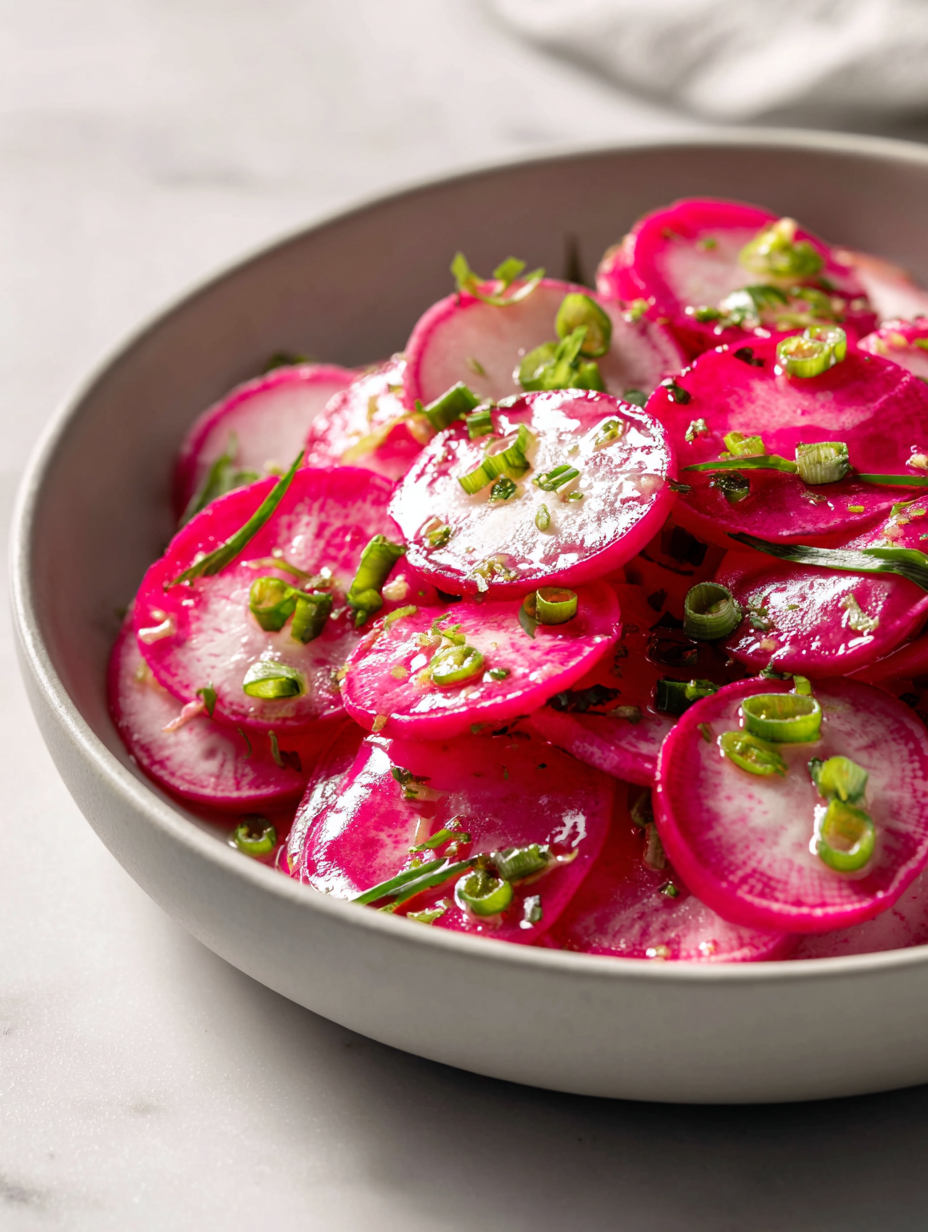
Radish Stir Fry
Ingredients
Equipment
Method
- Gather a wok or large skillet, a sharp knife, and a cutting board. Slice the radishes into thin, even rounds about 2-3 mm thick to ensure quick cooking and crisp texture. Mince the garlic finely, releasing its fragrant aroma.
- In a small bowl, combine soy sauce, a squeeze of lemon, and chili flakes if using. Set this flavorful sauce aside for later.
- Heat the wok over high heat until it shimmers. Add the neutral oil, and once it starts to crackle softly, quickly add the sliced radishes.
- Sauté the radishes for about 30 seconds, stirring constantly, until their edges start to turn golden and smell toasty.
- Add the minced garlic to the pan, stirring rapidly for about 20 seconds until fragrant and just starting to turn golden, being careful not to burn.
- Pour the prepared sauce over the radishes and garlic, stirring constantly. Cook for another 1-2 minutes until the radishes are tender but still crisp, and the sauce is glossy and coats everything evenly.
- Remove the pan from heat and drizzle with sesame oil. Toss in the chopped green onions and give everything a quick stir to combine.
- Squeeze a little lemon juice over the stir fry for a bright, fresh finish. Serve immediately while hot, garnished with extra green onions or chili flakes if desired.
Pro tips for radish stir fry
- Bolded mini-head: Use thin radish slices; they cook faster and keep that satisfying crunch.
- Bolded mini-head: Keep garlic moving; stir constantly to avoid burning and develop sweet aroma.
- Bolded mini-head: Preheat your pan until shimmering; it helps prevent sticking and promotes even browning.
- Bolded mini-head: Add radishes in batches if crowded; this ensures they sear rather than steam.
- Bolded mini-head: Use high heat but keep an eye; radishes can go from crisp to soggy quickly if overcooked.
- Bolded mini-head: Finish with a squeeze of lemon; brightens flavors and adds a fresh, zesty layer.
Common mistakes and how to fix them
- FORGOT to slice radishes evenly → slice thin for quick, uniform cooking.
- DUMPED all ingredients at once → add radishes first, then aromatics for better flavor.
- OVER-TORCHED garlic → cook on medium-high, stir constantly to prevent burning.
- FAILED to taste and adjust seasonings → taste as you go, adjust soy, salt, or acid as needed.
Fast fixes and pantry swaps
- When in doubt, splash some water to cool down burnt garlic quickly.
- If radishes are too dull, add a dash of lemon juice for brighter flavor.
- Splash soy sauce on unevenly cooked radishes to boost umami and color.
- Patch over a smoky aroma by stirring in a splash of rice vinegar.
- Shield the pan with a lid if radishes start to burn or stick, 5 seconds rescue.
Prep, store, and reheat tips
- Slice radishes ahead of time; store in an airtight container in the fridge for up to 24 hours. They stay crisp and vibrant, with a slight peppery aroma.
- Prepare the sauce mixture in advance; keep in a sealed jar in the fridge for up to 2 days. Give it a quick stir before using to combine the flavors.
- Garlic can be minced a few hours ahead; store in a small covered dish. The aroma remains pungent and ready to release when cooked.
- Refrigerate leftover stir fry in an airtight container for up to 2 days. The radishes will soften slightly, and the flavors mellow, but still lively.
- Reheat gently in a skillet over medium heat, about 3-4 minutes. Expect the aroma of garlic and soy to rekindle, with radishes warming to a tender yet crisp texture.
Top questions about radish stir fry
1. What do radishes taste like in stir fry?
Radishes are crunchy and peppery, adding a lively sharpness. When cooked, they soften but still retain some bite, becoming tender yet crisp.
2. Can I use daikon instead of regular radishes?
Yes, you can substitute daikon radishes for a milder, less spicy flavor. They will still soften nicely and add a subtle sweetness.
3. What oil is best for stir frying radishes?
A neutral oil like vegetable or canola handles high heat well. For extra aroma, a splash of sesame oil at the end adds richness.
4. How should I slice radishes for stir fry?
Slice radishes thinly, about 2-3 mm, to ensure they cook quickly and stay crispy. Thicker slices may take longer and become softer.
5. What temperature should I cook the stir fry at?
Cook on high heat (around 220°C/430°F). When the pan shimmers and crackles, it’s ready for radishes. Stir quickly to prevent burning.
6. How do I adjust the flavor of radish stir fry?
Adding a squeeze of lemon or lime brightens the dish, while soy sauce adds savory depth. Adjust seasonings to taste before serving.
7. Can I prepare radishes in advance?
Radishes can be prepped up to 24 hours ahead, kept in the fridge in an airtight container. They stay crisp and vibrant.
8. How do I know when radishes are cooked properly?
Overcooking makes radishes mushy and dull in flavor. Keep an eye for a vibrant gloss and just tender texture, about 1-2 minutes after adding sauce.
9. Why aren’t my radishes crispy?
If the pan is too crowded, radishes steam rather than sear. Cook in batches if needed, so they develop a slight char and crispy edges.
10. What if garlic burns during stir fry?
When garlic burns and turns bitter, remove from heat immediately. Lower the flame or add a splash of water to cool down and prevent bitterness.
Cooking this radish stir fry reminded me how simple ingredients can surprise with a little heat and attention. The peppery crunch paired with smoky garlic is a small celebration of everyday produce. It’s a dish that keeps me grounded, even when life feels chaotic.
Sometimes, it’s these quick, unassuming recipes that make the most sense—bright, fresh, and a little bit wild. No matter how often I make it, that first crispy bite still feels like a small, satisfying victory.

Hi, I’m Olivia Chen-Williams, a professional chef, cooking instructor, and the founder of Turn Around At 50. For nearly three decades, my life has revolved around kitchens. Not the quiet, romantic kind, but the real ones. Hot, loud, demanding, and deeply alive.