
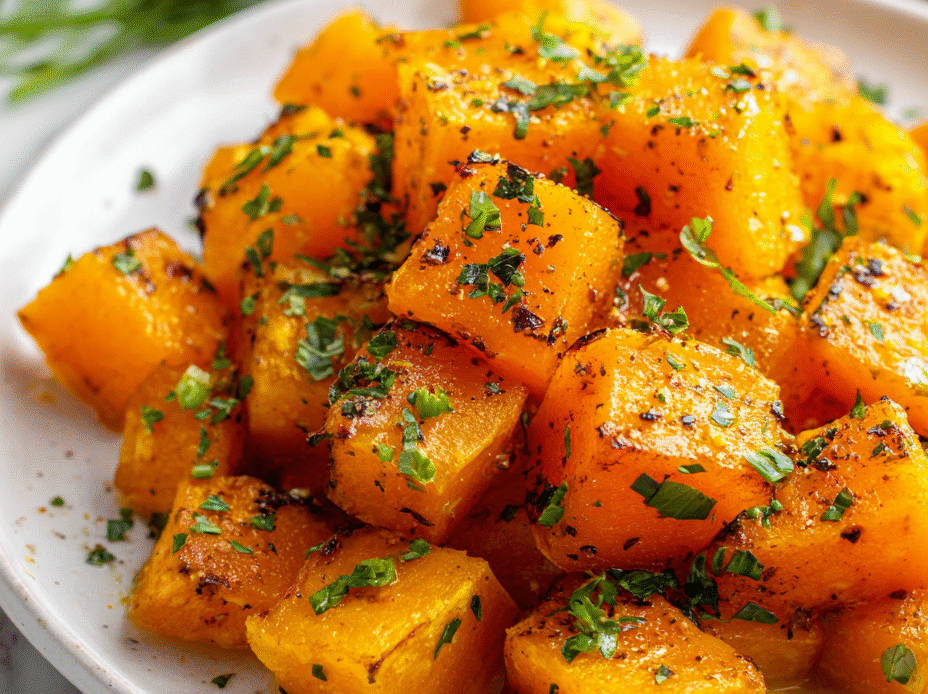
Sometimes, I stumble upon a recipe that’s so simple yet so satisfying I want to shout about it. This quick butternut squash recipe isn’t about fancy techniques, but about trusting the natural sweetness of the squash and enhancing it with good oil and a hot oven. It’s a reminder that sometimes, less is truly more, especially when the ingredients are good.
During those chilly evenings, I crave something warm and comforting, but I don’t want to be stuck in the kitchen all day. Roasting the squash transforms a humble vegetable into something rich and flavorful—almost smoky, with a hint of caramel. It’s the kind of dish that feels both nourishing and effortless, perfect for making ahead or tossing together last minute.
Why I Keep Returning to This Recipe
It’s pure comfort with minimal fuss, highlighting the squash’s natural charm. I love how adaptable it is—add herbs, spices, or a splash of vinegar. It’s forgiving yet rewarding, reminding me that simple ingredients can shine brightest with a little heat and patience.
Breaking Down the Main Ingredients
- Butternut Squash: Sweet, dense, with a velvety texture when roasted; ripe squash is key for natural sweetness.
- Olive Oil: Brings richness and helps the squash caramelize; use good quality for best flavor.
- Salt: Enhances sweetness and balances flavors; sea salt is my go-to.
- Smoked Paprika: Adds a smoky depth that complements the sweetness; swap for cumin if you prefer earthiness.
- Lemon Juice: Brightens the dish with a zing; skip if you prefer a mellow flavor.
- Yogurt or Sour Cream: For serving, adds creamy tang; Greek yogurt works beautifully.
- Nuts (optional): Toasted walnuts or pecans add crunch and richness; toast for extra flavor.
Tools & Equipment for a Smooth Roast
- Chef’s knife: For peeling, seeding, and chopping the squash.
- Vegetable peeler: Eases the peeling process for a clean, quick prep.
- Baking sheet: To roast the squash evenly in a single layer.
- Silicone spatula: For tossing the cubes with oil and spices without sticking.
- Cooling rack: To rest the squash briefly after roasting, for easier handling.
Step-by-Step Roasting and Mashing
Step 1: Choose a sturdy, ripe butternut squash. Peel and seed it with a sharp knife, then chop into uniform cubes.
Step 2: Preheat your oven to 200°C (390°F). Toss the cubes with olive oil, salt, and a pinch of smoked paprika.
Step 3: Spread the squash on a baking sheet in a single layer. Roast for 25-30 minutes, until edges are caramelized and fragrant.
Step 4: Remove from oven, let cool slightly. Mash roughly or serve in chunks, drizzled with a squeeze of lemon or a dollop of yogurt.
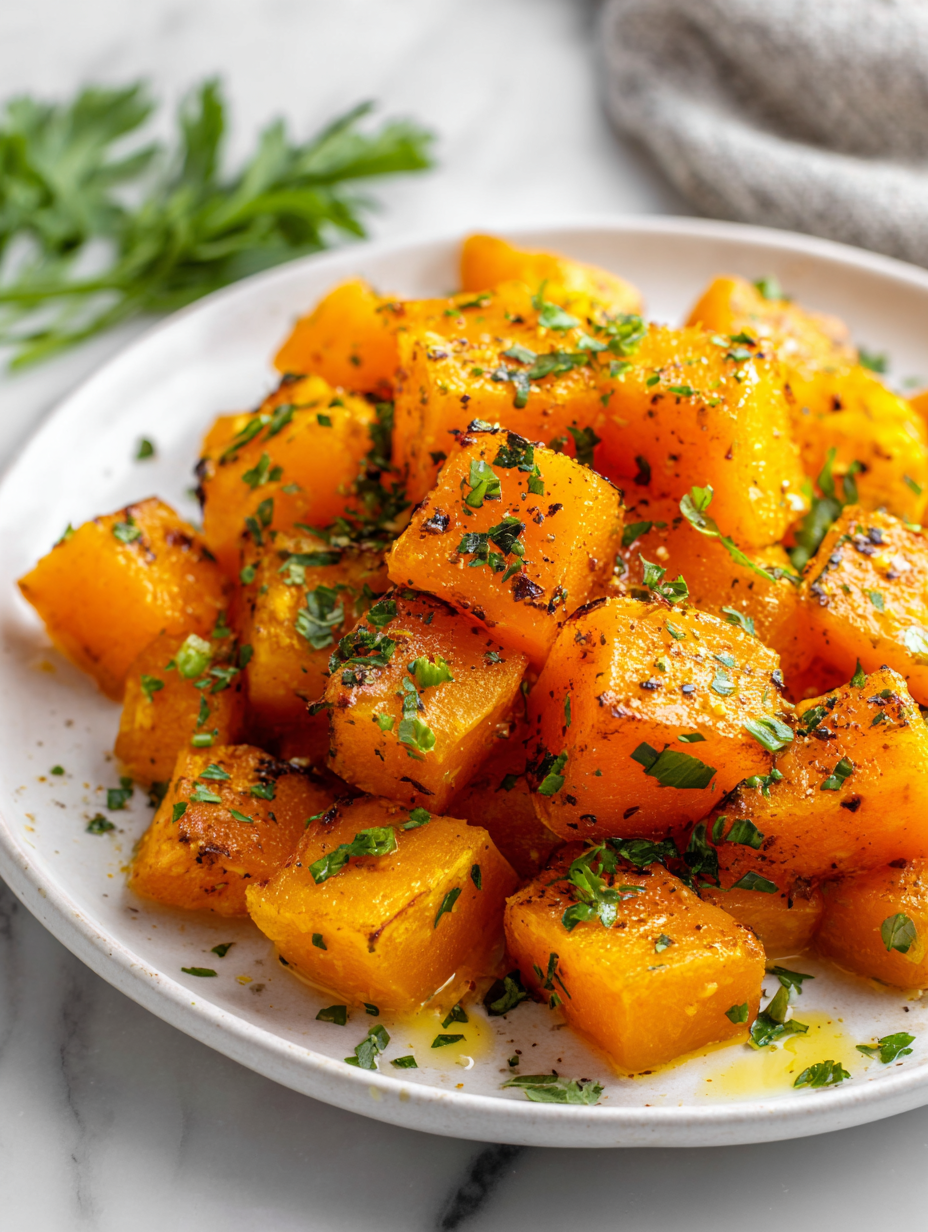
Simple Roasted Butternut Squash
Ingredients
Equipment
Method
- Peel the butternut squash with a vegetable peeler, then cut off both ends and slice it in half lengthwise. Scoop out the seeds with a spoon, then chop the flesh into uniform cubes.
- Preheat your oven to 200°C (390°F). Place the chopped squash in a large bowl, then drizzle with olive oil, sprinkle with salt and smoked paprika. Toss everything together with a silicone spatula until the cubes are evenly coated.
- Spread the seasoned squash cubes in a single layer on a baking sheet lined with parchment paper or a silicone mat, making sure they aren’t crowded. Slide it into the oven and roast for about 25-30 minutes, until the edges are golden and fragrant, and the flesh feels soft when pierced with a fork.
- Remove the baking sheet from the oven and let the squash cool for a few minutes. The aroma should be sweet and smoky, with caramelized edges.
- Transfer the roasted squash to a bowl and gently mash it with a fork or potato masher for a rustic, slightly chunky texture. For a smoother result, mash until desired consistency is reached.
- Squeeze fresh lemon juice over the mashed squash and give it a gentle stir. Taste and adjust salt or lemon if needed to brighten the flavors.
- Serve the roasted butternut squash warm, topped with a dollop of yogurt or sour cream for creaminess. Add toasted nuts on top for extra crunch, if desired.
Notes
Cooking Checkpoints & Tips
- Squash should look golden-brown at the edges for maximum flavor.
- The smell should be sweet and roasted, not raw or starchy.
- If the squash is soft and cuts easily with a fork, it’s ready to come out.
- Don’t forget to taste before serving—adjust salt or lemon for brightness.
Common Mistakes & How to Fix Them
- Overcooking leading to soggy, unappealing texture.? IF THE SQUASH IS MUSHY, REMOVE EARLY — 20 minutes max, then check for doneness.
- Over-torched edges and bitter notes.? IF THE SQUASH TURNS BLACK, LOWER THE TEMP — 180°C (355°F) can prevent burning.
- Dryness or shriveling.? IF IT’S TOO DRY, ADD A LITTLE MORE OIL or a splash of water before roasting.
- Using underripe or old squash.? IF THE SQUASH IS TOUGH, MAKE SURE YOUR SQUASH IS Ripe AND FRESH.
This simple method unlocks the natural sweetness of butternut squash in a quick, approachable way. It’s perfect for busy weeks, yet feels cozy enough for a lazy weekend. Feel free to toss in herbs or nuts for extra texture and flavor, making this dish your own. The goal is to enjoy the process, not just the result—so have fun with it.

Hi, I’m Olivia Chen-Williams, a professional chef, cooking instructor, and the founder of Turn Around At 50. For nearly three decades, my life has revolved around kitchens. Not the quiet, romantic kind, but the real ones. Hot, loud, demanding, and deeply alive.