
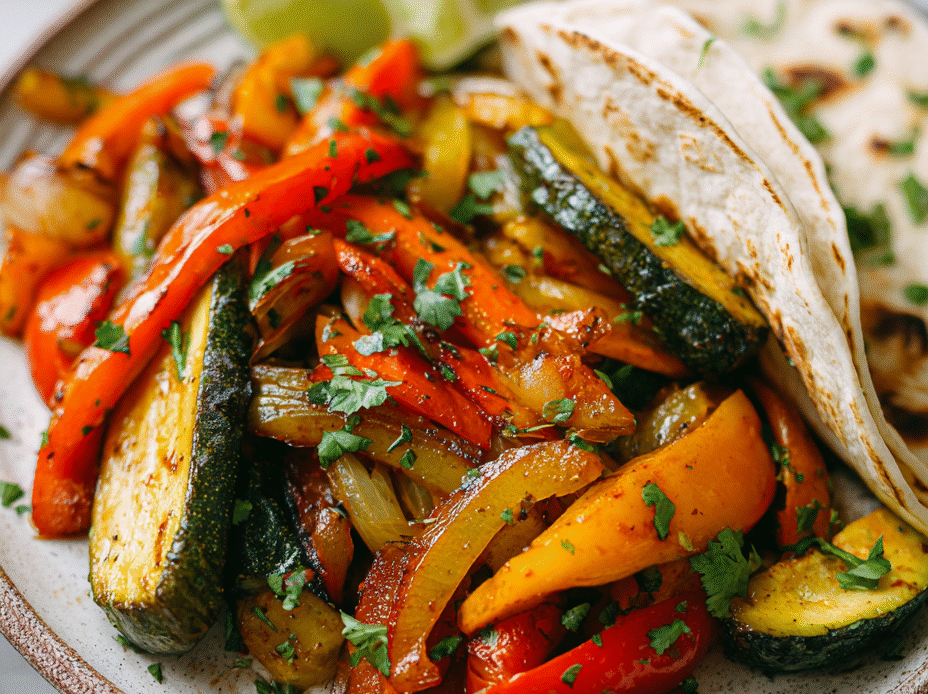
Vegetable fajitas are my go-to for a cozy, no-fuss dinner that feels like a warm hug. The secret lies in caramelizing the peppers and onions until they turn sweet and slightly smoky, almost like they’re giving off a gentle, natural dessert aroma. It’s a simple trick that transforms everyday vegetables into something a little more special, without any added sugar or complicated techniques.
What I really love about this recipe is how forgiving it is. You can toss in whatever peppers you have on hand, or even throw in some zucchini or mushrooms for extra depth. The smell of sizzling, caramelized vegetables fills the kitchen, making it hard to wait before digging in. It’s a reminder that sometimes, the simplest ingredients can create the most comforting, layered flavors.
Focusing on how the natural sweetness of caramelized vegetables can transform traditional fajitas into a comforting, almost dessert-like experience without any added sugars.
Sweetness in Every Bite
- Cooking these fajitas takes me back to summer evenings at my grandma’s house, where the smell of peppers and onions sizzling on the grill was the highlight.
- I love how this recipe feels like a celebration of simple, honest ingredients—no fuss, just vibrant flavors that brighten any dinner table.
- There’s a quiet joy in caramelizing vegetables until they’re just the right amount of smoky and sweet, turning everyday produce into something special.
- This dish has a way of bringing people together, the kind of meal that sparks conversations and lingering around the table.
- Whenever I make these fajitas, I’m reminded that the best meals are often the simplest, cooked with patience and a little bit of love.
The story behind this recipe
This recipe came together one rainy afternoon when I had a bunch of colorful peppers and onions that needed using up quickly. I started caramelizing them in a cast-iron skillet, and the smell reminded me of childhood trips to the fair—sweet, smoky, inviting. It struck me then how simple vegetables could become such a satisfying, almost indulgent meal with just a little patience. Since then, I’ve kept coming back to this method whenever I want something warm, vibrant, and easy to throw together on a weeknight.
Fascinating Fajita Origins
- Vegetable fajitas originated in Tex-Mex cuisine, blending Mexican flavors with American adaptations in the 20th century.
- The term ‘fajita’ comes from the Spanish word ‘faja,’ meaning ‘belt’ or ‘girdle,’ referencing the strips of meat traditionally used.
- Initially, fajitas were considered a farmer’s meal, utilizing cheaper cuts of meat or plentiful vegetables, making them accessible and hearty.
- Vegetarian versions gained popularity in the 1980s as more people sought meatless options, highlighting the dish’s versatility.
- The vibrant peppers and onions in fajitas symbolize a celebration of fresh, colorful ingredients that brighten any meal.
Ingredient breakdown: key components
- Red bell peppers: I love their sweet, smoky aroma when roasted, but you can swap with yellow or orange for a milder scent, or use roasted poblano for a smoky kick.
- Onions: Caramelizing onions until they’re golden and slightly translucent releases a rich, almost buttery sweetness, but shallots can be a softer alternative if you prefer a milder flavor.
- Zucchini: Sliced zucchini soaks up all the smoky, sweet juices from the peppers and onions, adding a tender bite. Try yellow squash for a color boost or omit if you prefer less moisture.
- Spices: Cumin and smoked paprika bring warmth and depth—if you don’t have smoked paprika, a dash of chipotle powder adds a similar smoky punch, but be mindful of heat.
- Lemon juice: Brightens the dish with a fresh, zesty kick, especially after caramelizing. Lime juice works just as well and adds a sharper tang, perfect for finishing.
- Olive oil: The backbone for crisping and caramelizing, but avocado oil can be a neutral, high-smoke-point alternative if you want a subtler flavor.
- Toppings: Fresh cilantro, sliced jalapeños, or a dollop of sour cream finish it off. Use Greek yogurt instead of sour cream for a tangy, creamy substitute.
Spotlight on key ingredients
Bell peppers and onions:
- Red bell peppers: Their natural sweetness intensifies as they roast, releasing a smoky aroma that’s almost caramel-like. You can swap for yellow peppers if you want a milder scent, or try roasted poblano for extra smoky depth.
- Onions: When cooked slowly, they break down into a silky, sweet, almost buttery flavor. Keep an eye on them—they turn golden and translucent, filling the kitchen with a rich, inviting smell. Shallots can be a softer, milder alternative if preferred.
Notes for ingredient swaps
- Dairy-Free: Use avocado or cashew cream instead of sour cream. Adds creaminess with a nutty note.
- Vegetarian: Swap chicken or beef with hearty mushrooms for umami and meaty texture.
- Gluten-Free: Ensure tortillas are made from corn or certified gluten-free ingredients. No change in flavor.
- Low-Sodium: Use unsalted seasoning blends and rinse canned beans to reduce salt content.
- Spicy Heat: Replace jalapeños with milder peppers like poblano or banana peppers if you prefer less heat.
- Sweetness: Add a touch of honey or agave to the caramelized veggies for a hint more sweetness, if desired.
- Fresh Herbs: Substitute cilantro with parsley or basil for a different herbal brightness.
Equipment & Tools
- Cast iron skillet: For even, high-heat caramelization of vegetables.
- Spatula: To stir and turn the vegetables for uniform cooking.
- Sharp knife: To slice peppers and onions evenly.
- Cutting board: A stable surface for prep work.
Step-by-step guide to vegetable fajitas
- Gather your equipment: a large skillet (preferably cast iron), a spatula, a sharp knife, and a cutting board. Prep everything first—this dish moves fast once started.
- Slice 2 bell peppers (any color) into thin strips, about 1/4 inch wide. Cut 1 large onion into similar strips. Keep them separate for even cooking.
- Heat your skillet over medium-high heat (around 200°C/390°F). Add 1 tablespoon of olive oil, letting it shimmer but not smoke.
- Add the onions first. Cook for 3–4 minutes, stirring occasionally, until they start to soften and turn golden. They should smell sweet and slightly caramelized.
- Toss in the peppers. Spread them out evenly. Let them cook undisturbed for 2 minutes, then stir. Cook until both vegetables are tender, about 5–6 minutes.
- During cooking, sprinkle with 1 teaspoon cumin and 1/2 teaspoon smoked paprika. Stir well, allowing the spices to toast slightly and release their aroma.
- Check the vegetables: they should be caramelized around the edges, smoky, and sweet. If they start to burn, reduce heat slightly. If too dry, add a splash of water or more oil.
- Finish with a squeeze of lemon juice—about 1 tablespoon—to brighten the flavors. Toss to coat evenly.
- Remove from heat. Let the vegetables rest for 1 minute to settle the flavors. Serve immediately with warm tortillas and your favorite toppings.
- To serve, spoon the fajita filling into warm tortillas, add toppings like cilantro, jalapeños, or sour cream, and enjoy the smoky-sweet aroma.
Let the cooked vegetables rest for a minute. Serve hot wrapped in warm tortillas, topped with fresh herbs, spicy jalapeños or dollops of sour cream. Squeeze extra lemon or lime if desired.
How to Know It’s Done
- Vegetables are tender and slightly charred around edges.
- Smell the spices and caramelized vegetables—rich, smoky, sweet aroma.
- Vegetables are glistening and juicy but not soaked; a slight shimmer of oil remains.
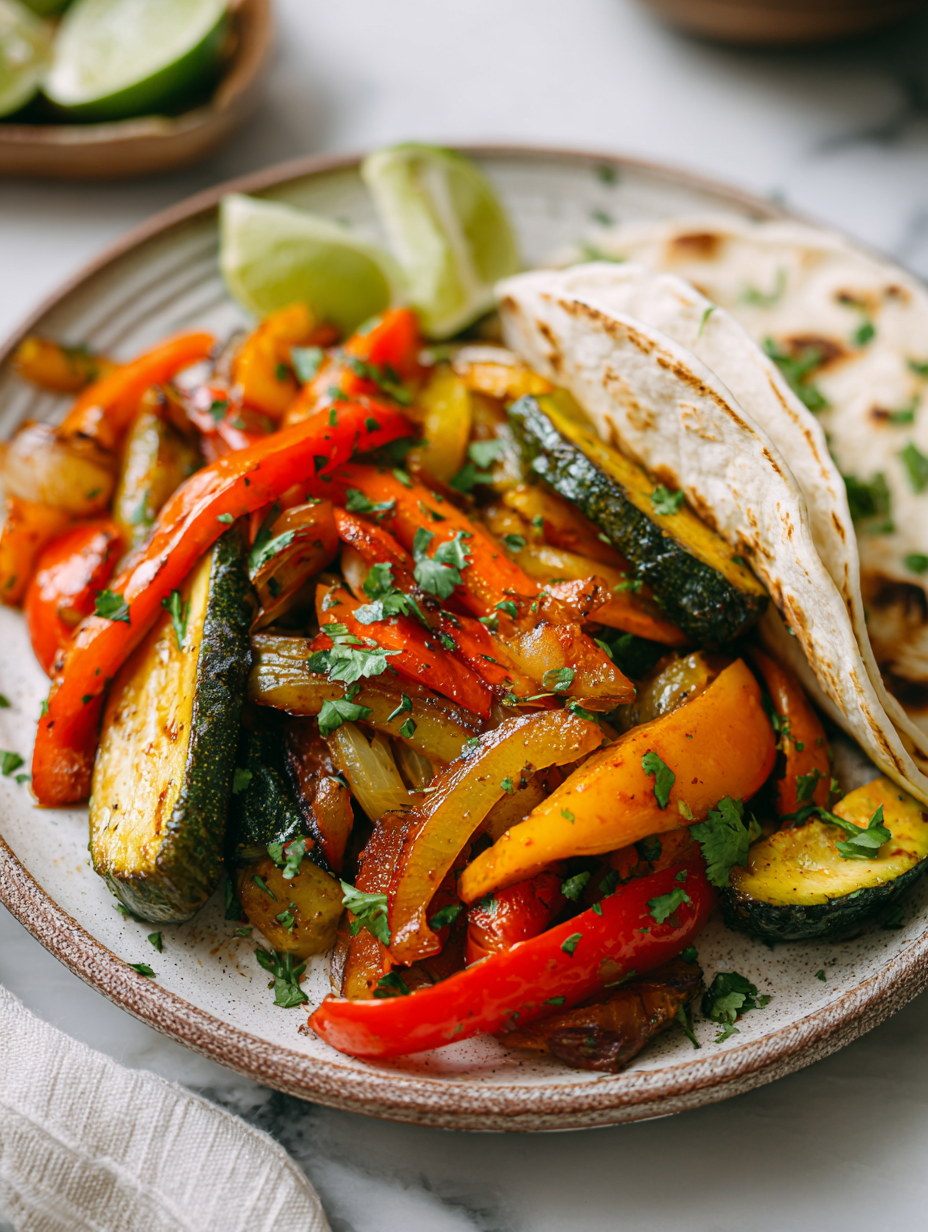
Caramelized Vegetable Fajitas
Ingredients
Equipment
Method
- Start by slicing the bell peppers into thin strips and the onion into similar strips. Keep them separate for even cooking and vibrant colors.
- Heat your cast iron skillet over medium-high heat until it feels hot and begins to shimmer slightly. Add a tablespoon of olive oil, swirling to coat the surface.
- Add the sliced onions to the hot skillet. Cook for about 3–4 minutes, stirring occasionally, until they start to turn golden and release a sweet aroma.
- Next, add the sliced peppers to the skillet. Spread them out evenly and let them cook undisturbed for 2 minutes, then stir. Continue cooking for another 5–6 minutes, stirring occasionally, until the vegetables are tender, slightly charred, and smell smoky and sweet.
- Sprinkle the cumin and smoked paprika over the vegetables. Stir well to coat everything evenly, allowing the spices to toast slightly and release their aroma.
- Slice the zucchini into rounds or strips and add them to the skillet. Stir everything together. Continue cooking for another 3–4 minutes until zucchini is tender and well coated with the smoky spices.
- Just before removing from heat, squeeze the lemon or lime juice over the vegetables. Toss gently to combine, enhancing the bright, fresh flavor.
- Remove the skillet from heat and let the vegetables rest for a minute. Taste and adjust seasoning with salt and pepper as needed.
- Warm the tortillas in a dry skillet or microwave until soft and pliable. Spoon the caramelized vegetables into each tortilla.
- Garnish with freshly chopped cilantro and additional toppings like sliced jalapeños or sour cream, if desired.
- Fold the tortillas around the filling, and serve immediately while the vegetables are warm, smoky, and bursting with flavor. Enjoy your vibrant, caramelized vegetable fajitas!
Tips to Elevate Your Fajitas
- Bolded mini-head: Use high heat to achieve quick caramelization, around 200°C/390°F, for smoky edges.
- Bolded mini-head: Keep vegetables dry before tossing in oil—moisture will cause steaming instead of browning.
- Bolded mini-head: Stir vegetables only after a couple of minutes—allow for contact with the hot pan for caramelization.
- Bolded mini-head: Add lemon or lime juice at the end—brightens flavors and helps vegetables stay vibrant.
- Bolded mini-head: For extra smoky flavor, toss in a pinch of chipotle or smoked paprika during cooking.
- Bolded mini-head: Use a wide skillet to give vegetables space—crowding causes steaming, not frying.
- Bolded mini-head: Taste and adjust seasoning at the end—more salt or acid enhances caramelized sweetness.
Common mistakes and how to fix them
- FORGOT to preheat the skillet → Always heat skillet until hot before adding vegetables.
- DUMPED too many vegetables at once → Cook in batches if needed to prevent steaming, not frying.
- OVER-TORCHED the vegetables → Reduce heat if vegetables burn or become bitter; aim for golden edges.
- MISSED stirring during caramelization → Stir occasionally to ensure even browning and prevent sticking.
Quick fixes and pantry swaps
- When vegetables burn, splash a little water to cool and loosen the bits stuck to the pan.
- If peppers release too much moisture, increase heat and stir frequently to prevent steaming.
- DUMPED too much oil? Patch with a paper towel to absorb excess and keep vegetables crisp.
- Over-torched? Shield with a lid and lower heat, then add a splash of lemon for bright flavor.
- If vegetables stick, scrape the bottom with a spatula and add a small drizzle of oil to loosen.
Prep, store, and reheat tips
- Prep the vegetables: slice peppers and onions up to a day in advance; store in an airtight container in the fridge for up to 24 hours. The flavors deepen overnight.
- Caramelized veggies are best enjoyed fresh, but you can refrigerate leftovers for up to 2 days. Reheat in a hot skillet until sizzling and fragrant again, about 3–4 minutes, until they shimmer and smell sweet.
- Store leftover cooked vegetables in an airtight container. Reheat thoroughly, checking for caramelization and aroma—aim for tender, smoky-sweet bites.
- For make-ahead meals, assemble the fajita filling and keep in the fridge for up to 1 day. Reheat until hot and fragrant before serving to revive the caramelized aroma and slightly crispy edges.
Top questions about vegetable fajitas
1. How do I get the peppers caramelized?
Use firm, colorful peppers like red, yellow, or orange for sweetness and visual pop. Roast or sauté until tender and smoky.
2. How long should I caramelize the onions?
Slice the onions thinly and cook over medium-high heat, stirring occasionally, until they turn golden and smell sweet, about 8 minutes.
3. What’s the best pan for fajitas?
Use a cast-iron skillet if possible for even browning and smoky flavor. A large, wide pan helps prevent steaming the vegetables.
4. When should I add citrus?
Add a squeeze of lemon or lime at the end to brighten the flavors. It also helps keep the vegetables vibrant and juicy.
5. How can I add smoky flavor?
Use smoked paprika or chipotle powder for a smoky depth. If unavailable, a pinch of liquid smoke works in a pinch.
6. How do I prevent steaming instead of frying?
Keep the vegetables dry before adding oil to help them caramelize properly and avoid steaming. Pat them dry if needed.
7. Can I prepare these fajitas in advance?
To make ahead, slice vegetables a day early and store in an airtight container. Reheat in a hot skillet until sizzling.
8. What if my vegetables stick or burn?
If the vegetables stick or burn during cooking, scrape the pan and add a splash of water or oil to loosen and cool the pan.
9. Can I customize the toppings?
Use fresh cilantro and jalapeños for toppings. For a milder flavor, substitute with parsley or banana peppers.
10. How do I know when the fajitas are ready?
Adjust seasoning during cooking—taste and add more salt, spice, or acid as needed to balance the caramelized sweetness.
These vegetable fajitas are more than just a quick dinner—they’re a reminder that simple ingredients, when treated with patience, can create something deeply satisfying. The caramelized peppers and onions fill the kitchen with a smoky, sweet aroma that’s hard to resist. It’s honest, unpretentious food that feels both nourishing and a little special.
Whenever I make these, I’m reminded to slow down and enjoy the process. They’re perfect for a casual weeknight or a cozy weekend meal, especially when you want something flavorful without too much fuss. No matter how often I turn to this recipe, it still manages to surprise me with its comforting, layered taste.
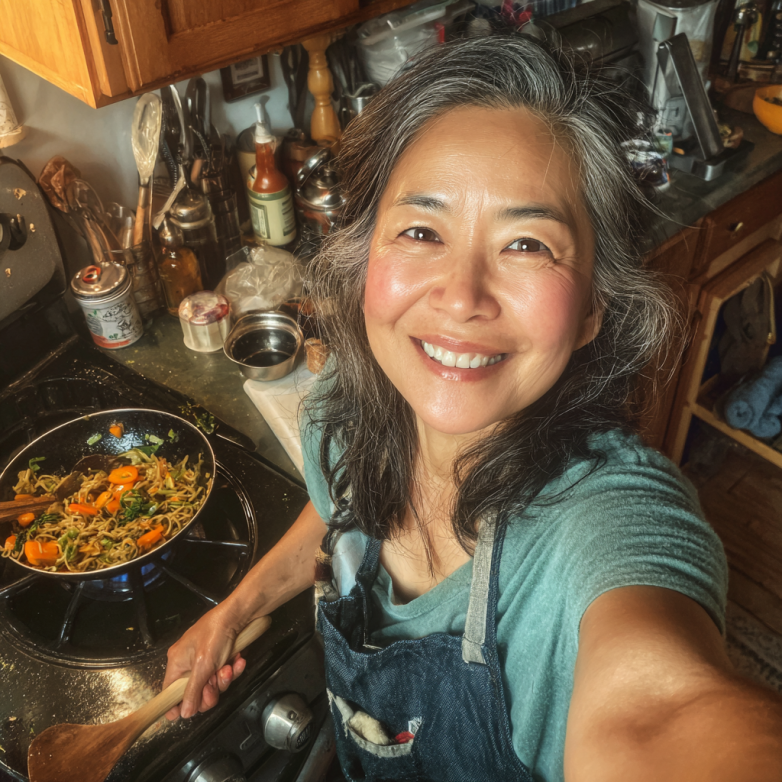
Hi, I’m Olivia Chen-Williams, a professional chef, cooking instructor, and the founder of Turn Around At 50. For nearly three decades, my life has revolved around kitchens. Not the quiet, romantic kind, but the real ones. Hot, loud, demanding, and deeply alive.