Main Course

Paneer Stir Fry Recipe

9 Mins read

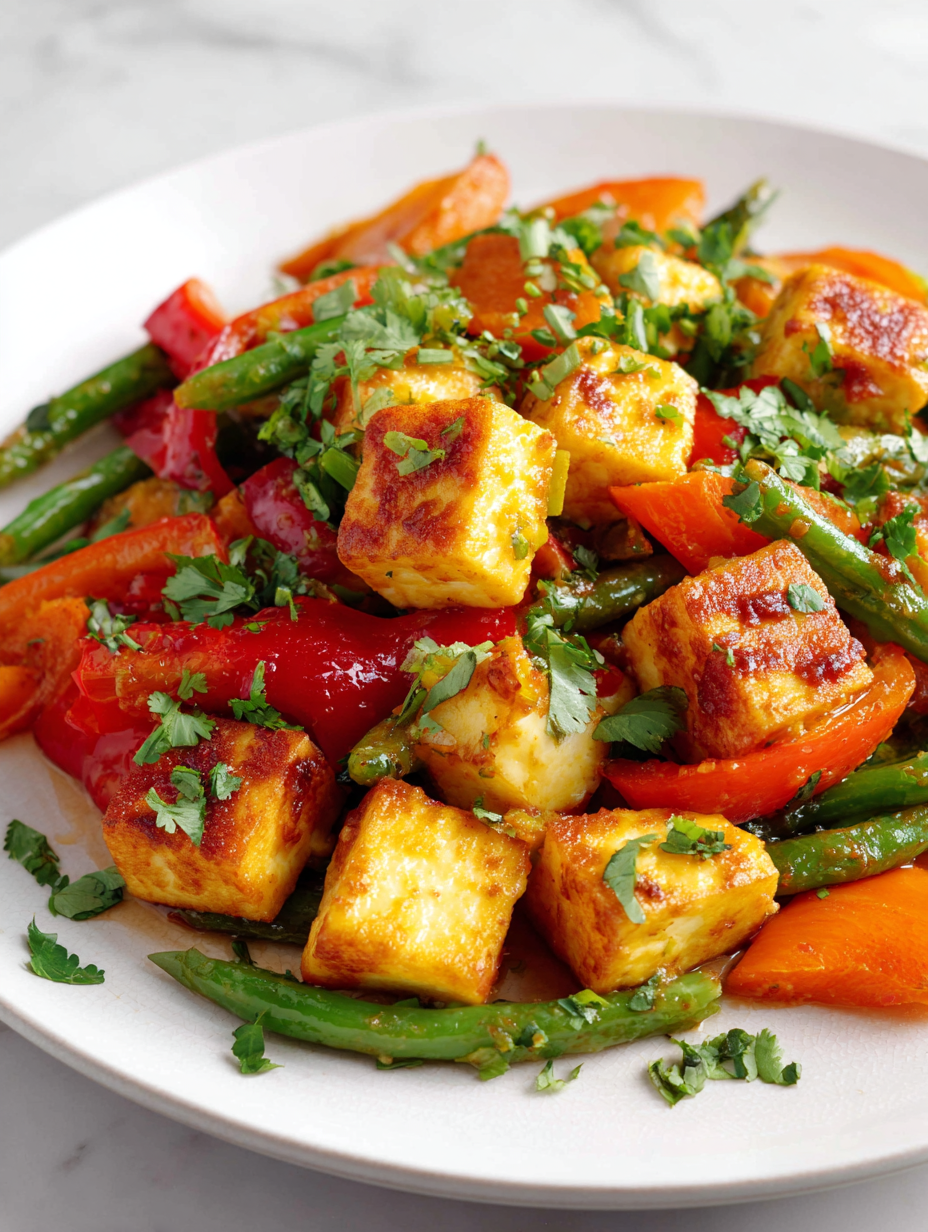
This paneer stir fry is my go-to when I want something quick, satisfying, and full of bold flavors. It’s a reminder that even the simplest ingredients, like a block of paneer, can be transformed into something exciting with just a few spices and a hot pan.

I love how adaptable this dish is—throw in whatever vegetables you have lying around, and it becomes a colorful, textured plate that’s perfect for busy weeknights. It’s a way to make humble pantry staples feel fresh and creative, no fancy ingredients needed.

Cooking this stir fry always brings a bit of joy, especially when the paneer gets that perfect golden crust and the spices start to crackle in the oil. It’s honest food, made with a little chaos, a lot of taste, and a satisfying sense of accomplishment at the end.

Focusing on the transformative power of simple ingredients, this stir fry highlights how a humble block of paneer can become a canvas for bold flavors and textures, turning everyday cooking into a moment of creative expression.

A surprising twist on paneer

  • This dish reminds me that even simple ingredients like paneer can surprise you with their versatility.
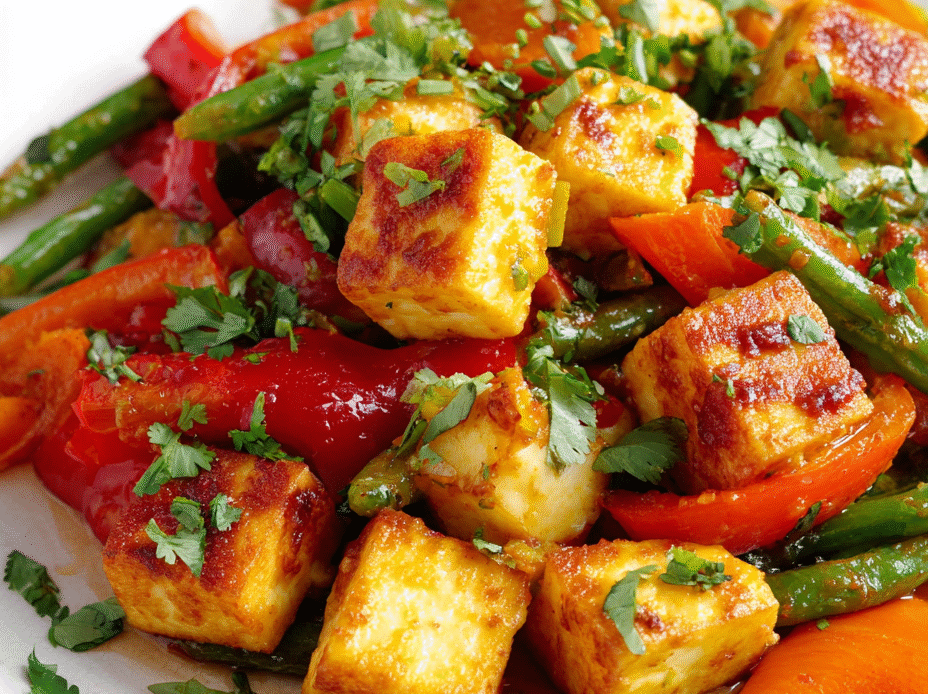
  • I feel a rush of pride when I see that golden crust on the paneer, signaling it’s just right.
  • Cooking this stir fry brings back memories of busy weeknights in my childhood kitchen, full of chaos and love.
  • There’s a quiet joy in balancing spices just right, turning a humble stir fry into something memorable.
  • I love how this dish can be both comforting and boldly flavored, a true testament to everyday cooking.

A personal touch with humble ingredients

  • This recipe came together one lazy afternoon when I had a leftover block of paneer and a handful of vegetables that needed using up. I wanted something quick, but with enough flavor to lift my spirits after a long day. Stir-frying it all in a hot pan felt natural—kind of like a little kitchen rebellion against takeout.
  • I’ve always loved how paneer can be both sturdy and tender, soaking up spices while still holding its shape. This dish reminded me of those rushed, imperfect moments in the kitchen where you just toss everything in, trust the process, and end up with something surprisingly satisfying. It’s honest, a little messy, but totally worth the effort.
  • heading: The story behind this recipe

Trivia and historical tidbits

  • Paneer, a fresh cheese from India, has been a staple in South Asian cooking for centuries, often used in simple, rustic dishes.
  • This stir-fry technique reflects a fusion of traditional Indian flavors with quick Asian-inspired cooking, a modern culinary crossroad.
  • Paneer was historically made in homes using leftover milk, which made it an accessible, everyday protein source for many households.
  • The word ‘paneer’ comes from Persian origins, meaning ‘cheese,’ highlighting its long-standing cultural significance across regions.
  • In recent years, paneer stir fries have gained popularity outside India, embraced by home cooks worldwide seeking quick, flavorful vegetarian meals.

Key ingredients and tips

  • Paneer: I love how it firms up and gets a crispy edge when fried; you want that golden, slightly charred look. Swap with firm tofu if you prefer a vegan version, but keep in mind it won’t get quite as crispy.
  • Bell peppers: I use a mix of colors for visual pop and sweetness; the crunch adds a nice contrast. Red or yellow peppers work well, but skip peppers altogether if you’re out—zucchini can be a good substitute for a softer bite.
  • Onions: They bring a gentle sweetness and depth, especially once caramelized. Thinly sliced, they melt into the spices. If you’re out, shallots can add a similar sweetness, just a tad milder.
  • Garlic and ginger: These are the aromatic backbone. I crush the garlic and grate the ginger right into the hot oil—smells start to crackle and wake up the kitchen. No fresh? Garlic powder and ground ginger will do, but fresh really shines.
  • Soy sauce or tamari: Adds umami and saltiness, giving the stir fry a savory punch. For a richer, smoky flavor, a splash of dark soy works wonders. If avoiding soy, a dash of Worcestershire or mushroom sauce can mimic that depth.
  • Oil: I prefer neutral oils like canola or vegetable for high heat, but sesame oil at the end adds a nutty aroma. Use what you’ve got, just avoid too much olive oil—it can smoke at high temps.
  • Optional chili: For heat, I toss in a sliced red chili or a pinch of red pepper flakes. If spice isn’t your thing, skip it, but that fiery kick really brings the dish alive.

Spotlight on key ingredients

Paneer:

  • I notice how it firms up and gets a crispy, golden crust when fried; that slightly chewy, cheesy bite is what I crave. If you want a vegan version, firm tofu is a good swap, but it won’t develop quite the same crispy edge.
  • It absorbs spices beautifully, becoming tender yet holding its shape. The oozy, slightly charred bits at the edges give it a smoky depth that makes the dish special.

Bell Peppers:

  • I love how their vibrant color and sweetness contrast with the savory spices. The crunch is key—fresh, crisp, and slightly charred in spots, it adds a lively texture. If you’re out, zucchini or snap peas can bring a softer, juicy bite.
  • The aroma of roasted peppers with a hint of caramelization makes every bite feel bright and fresh. Keep the slices thin so they cook quickly and stay crisp.

Notes for ingredient swaps

  • Dairy-Free: Swap paneer with firm tofu. It won’t get as crispy but still absorbs flavors well.
  • Vegetarian: Use tempeh instead of paneer for a nuttier taste and firmer texture.
  • Gluten-Free: Ensure soy sauce is gluten-free or swap with coconut aminos for a milder, sweeter flavor.
  • Low-Sodium: Choose low-sodium soy sauce or tamari to control salt without sacrificing umami.
  • Sweet Peppers: Yellow or orange bell peppers add color and sweetness, red peppers give more heat.
  • Spice Level: Skip chili or red pepper flakes if you prefer milder, or add a dash of smoked paprika for depth.
  • Oil Choices: Use sesame oil for nutty aroma or avocado oil for high heat stability and neutral flavor.

Equipment & Tools

  • Large skillet or wok: To cook everything evenly at high heat
  • Spatula: To stir and flip ingredients without breaking them
  • Sharp knife: To cut paneer and vegetables precisely
  • Cutting board: To prepare ingredients safely and comfortably

Step-by-step guide to paneer stir fry

  1. Equipment & Tools: Gather a large non-stick or cast-iron skillet, a spatula, a sharp knife, and a cutting board. Use the skillet to get a good sear on the paneer and vegetables.
  2. Cut the paneer into 1-inch cubes. Pat dry to remove excess moisture, which helps in crisping. Set aside.
  3. Slice the bell peppers and onions into thin strips. Keep everything ready; stir-frying moves fast.
  4. Heat 2 tbsp oil in the skillet over medium-high heat (around 200°C/390°F). When shimmering, add paneer cubes.
  5. Fry the paneer, turning occasionally, until golden (about 4-5 minutes). It should be crispy and firm. Remove and set aside.
  6. In the same pan, add a bit more oil if needed. Toss in sliced onions and cook for 2-3 minutes until translucent and fragrant.
  7. Step 6a: Add minced garlic and grated ginger. Cook for 30 seconds until aromatic and starting to crackle.
  8. Step 6b: Add sliced bell peppers and stir-fry for 2-3 minutes. They should stay crisp and vibrant, with some charred edges.
  9. Step 6c: Return the fried paneer to the pan. Mix everything gently to combine and coat with spices.
  10. Pour in 2 tbsp soy sauce or tamari for umami. Stir well and cook for another minute. The mixture should look glossy and fragrant.
  11. Taste and adjust seasoning—more soy, a pinch of salt, or chili flakes if you like heat.
  12. Turn off heat. Let the stir fry rest for a minute to settle flavors. Serve hot, garnished with chopped green onions if desired.

Serve immediately while hot, garnished with chopped herbs if desired. Rest for 1 minute to allow flavors to settle before plating.

How to Know It’s Done

  • Paneer has a golden, crispy crust with a slight char for texture.
  • Vegetables remain vibrant and crisp, not mushy or overly soft.
  • The stir-fry smells fragrant with garlic, ginger, and toasted spices, with a glossy sauce coating everything.

Paneer Vegetable Stir Fry

This quick and satisfying paneer stir fry features crispy, golden-paneer cubes tossed with colorful vegetables and aromatic spices. The dish is cooked over high heat, resulting in a lively texture with crunchy edges on the paneer and tender vegetables coated in a glossy, flavorful sauce. Perfect for busy weeknights, it combines simple ingredients into a bold, textured plate.
Prep Time 10 minutes
Cook Time 15 minutes
Total Time 25 minutes
Servings: 4
Course: Main Course
Cuisine: Asian Fusion, Indian
Calories: 350

Ingredients
  

  • 14 oz block of paneer firm or extra-firm
  • 1 red bell pepper any color, sliced into thin strips
  • 1 yellow bell pepper sliced into thin strips
  • 1 small onion thinly sliced
  • 3 cloves garlic minced
  • 1 inch ginger grated
  • 2 tablespoons oil vegetable or canola
  • 2 tablespoons soy sauce or tamari for gluten-free
  • 1/2 teaspoon red chili flakes optional, for heat

Equipment

  • Large skillet or wok
  • Spatula
  • Sharp knife
  • Cutting board

Method
 

  1. Cut the paneer into 1-inch cubes and pat them dry with a paper towel to remove excess moisture. Set aside.
  2. Slice the bell peppers into thin strips and thinly slice the small onion. Have all your vegetables prepared for quick stir-frying.
  3. Heat 2 tablespoons of oil in a large skillet or wok over medium-high heat until shimmering and hot.
  4. Add the paneer cubes to the hot oil, spreading them out evenly. Fry for about 4-5 minutes, turning occasionally, until they develop a crispy, golden crust on all sides.
  5. Remove the fried paneer from the pan and set aside on a paper towel-lined plate to drain excess oil.
  6. Add a bit more oil if needed, then toss in the sliced onions. Stir-fry for 2-3 minutes until they become translucent and fragrant, with a slight sheen.
  7. Add the minced garlic and grated ginger to the pan. Stir constantly for about 30 seconds until the mixture crackles and releases a fragrant aroma.
  8. Toss in the sliced bell peppers and stir-fry for another 2-3 minutes, keeping them crisp and vibrant with some charred edges for flavor.
  9. Return the crispy paneer to the pan, gently mixing everything to combine. Pour the soy sauce over the mixture, stirring to coat evenly.
  10. Sprinkle in red chili flakes if you like heat, and stir-fry for another minute until everything is glossy and fragrant.
  11. Remove from heat and serve immediately, garnished with chopped herbs if desired. Enjoy your vibrant, crispy-paneer stir fry hot!

Pro tips for perfect stir fry

  • High heat: Make sure your pan is hot enough before adding paneer—listen for a gentle crackle to ensure proper searing.
  • Dry paneer: Pat the blocks dry with a paper towel before frying to achieve that irresistible crispy crust.
  • Layer flavors: Add garlic and ginger early, letting them crackle and scent the oil before tossing in vegetables.
  • Don’t overcrowd: Fry paneer in batches if needed—crowding lowers the temperature and results in soggy bits.
  • Taste and adjust: Keep soy sauce nearby; add a splash at the end for that perfect umami punch while stir-frying.
  • Finish with heat: Turn off the stove just as everything looks glossy and fragrant—resists burning and keeps ingredients lively.
  • Use fresh ingredients: Crisp peppers and fresh garlic brighten the dish; old vegetables will dull the flavor and texture.

Common mistakes and how to fix them

  • FORGOT to dry paneer before frying → causes soggy texture; pat dry thoroughly.
  • DUMPED too much oil at once → splatters; add oil gradually and control heat.
  • OVER-TORCHED the spices → bitter taste; stir constantly and remove from heat when fragrant.
  • MISSED the resting step → flavors won’t meld; let stir fry sit for 1 minute before serving.

Quick fixes and pantry swaps

  • When oil shimmers, splash a tiny drop of water to test heat; crackle means ready.
  • If paneer sticks, add a splash more oil and gently loosen with your spatula.
  • Splash soy sauce at the end for a richer umami—avoid overdoing it.
  • Patch burnt spices immediately with a splash of water or broth to save flavor.
  • Shield delicate vegetables with a quick lid cover if they start to burn or wilt.

Prep, store, and reheat tips

  • Prep the paneer: Cut into cubes and pat dry a day ahead. Keeps well in the fridge, maintaining its firm texture.
  • Chop vegetables early: Store sliced peppers and onions in airtight containers for up to 24 hours. Vegetables stay crisp and ready to toss.
  • Store cooked paneer: Keep fried or baked paneer in an airtight container for up to 2 days. Reheat in a hot skillet until crispy again, smelling nutty and toasted.
  • Reheat gently: Warm leftovers in a skillet over medium heat, stirring occasionally, until fragrant and sizzling. Expect a slight aroma of toasted spices and crispy edges.
  • Flavor development: The stir-fry may mellow slightly overnight. Brighten it with a splash of soy or fresh herbs when reheating if needed.

Top questions about paneer stir fry

1. Can I use soft paneer instead of firm?

Use firm or extra-firm paneer for the best crispy texture. Soft paneer will fall apart during frying.

2. Should I dry the paneer before cooking?

Pat the paneer dry with a paper towel before frying to avoid splatters and ensure crispiness.

3. Can I make this without soy sauce?

Yes, you can swap soy sauce with coconut aminos for a soy-free, slightly sweeter flavor.

4. Can I substitute bell peppers with other vegetables?

Use bell peppers for vibrant color and crunch, but zucchini or snap peas are good softer alternatives.

5. Should I cook all the paneer at once?

Fry the paneer in batches if needed to prevent overcrowding, which can cause soggy texture.

6. When should I add garlic and ginger?

Add garlic and ginger early in the stir fry to release their aroma and deepen the flavor.

7. How do I reheat leftovers?

Serve immediately for the best crispy texture and fresh aroma. Reheat in a hot skillet to regain crispiness.

8. What temperature should I cook at?

Use a hot, well-seasoned skillet to get a good sear on the paneer, around 200°C/390°F.

9. How can I make it spicier?

Adjust spice levels by adding chili flakes or fresh chili slices during stir-frying for more heat.

10. How do I keep vegetables crisp?

Ensure vegetables stay crisp by not overcooking—toss quickly over high heat for 2-3 minutes.

This dish is a quiet reminder that simple ingredients, when handled with care, can create something memorable. The aroma of toasted spices and crispy paneer makes every bite a small celebration, especially when served fresh from the pan.

In a world of constant hustle, this stir fry offers a moment of honest, flavorful ease. It’s a dish that welcomes improvisation and patience, turning everyday cooking into a little act of joy and comfort—no fuss, just good food.

Olivia
556 posts

About author
Hi, I’m Olivia Chen-Williams, a professional chef, cooking instructor, and the founder of Turn Around At 50. For nearly three decades, my life has revolved around kitchens. Not the quiet, romantic kind, but the real ones. Hot, loud, demanding, and deeply alive.

Articles

Leave a Reply

Your email address will not be published. Required fields are marked *

Recipe Rating