
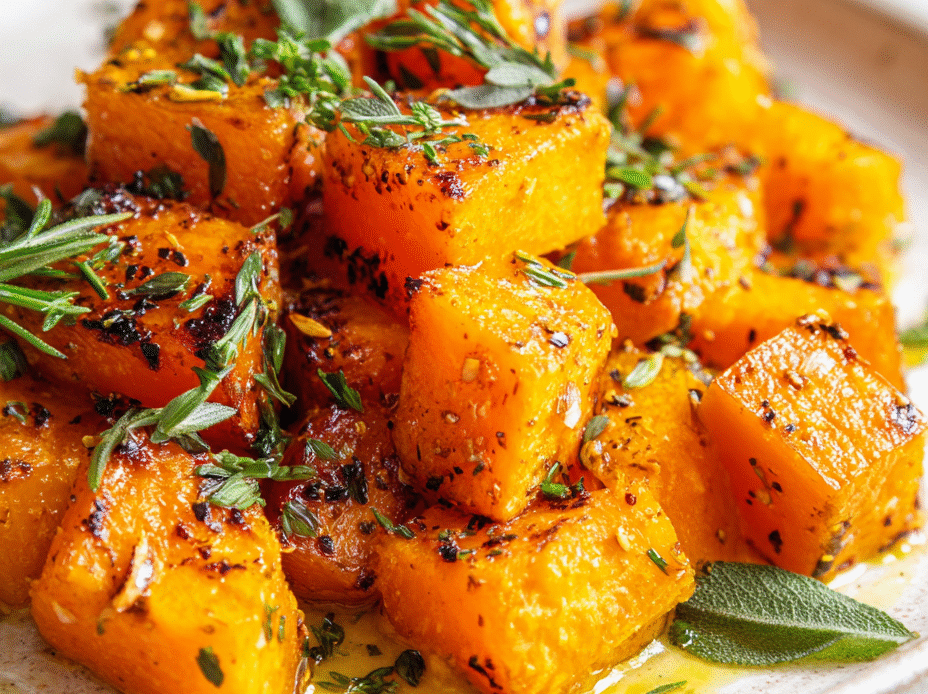
Roasted butternut squash has a quiet way of transforming a simple vegetable into something memorable. It’s not just about roasting; it’s about unlocking a deeper, sweeter flavor that surprises even the most seasoned cooks. I love how the oven’s heat creates a smoky, caramelized exterior while keeping the inside tender and oozy.
Why I keep coming back to this recipe
Its simplicity hides a depth of flavor that evolves with every season. The smoky, sweet profile is endlessly adaptable, fitting into salads, bowls, or just straight from the plate. It reminds me of cozy, chaotic kitchens, where a humble vegetable becomes a little celebration. Each time I make it, it feels like a small victory in the kitchen.
Breaking down the ingredients
- Butternut squash: Sweet, dense flesh that becomes tender and caramelized when roasted.
- Olive oil: Helps with browning and adds a fruity, peppery note.
- Salt: Enhances natural sweetness, brings out flavors.
- Smoked paprika: Adds a smoky depth that complements the sweet squash.
- Optional: honey or harissa: For finishing—drizzle honey for sweetness, harissa for heat.
- Lemon zest: Brightens the dish with a zingy, citrusy aroma.
Tools of the trade for perfect roasted squash
- Paring knife: Peeling the tough skin easily.
- Cutting board: Stabilizing the squash for safe cutting.
- Baking sheet: Spreading the squash in a single layer for even roasting.
- Silicone spatula: Tossing the cubes with oil and seasonings without sticking.
- Oven thermometer: Ensuring accurate baking temperature.
Step-by-step to a caramelized, smoky, sweet finish
Step 1: Preheat your oven to 200°C (400°F).
Step 2: Peel the butternut squash, cut off the ends, then scoop out the seeds.
Step 3: Cut the squash into thick, uniform cubes for even roasting.
Step 4: Toss the cubes with olive oil, salt, and a pinch of smoked paprika.
Step 5: Spread the squash on a baking sheet in a single layer.
Step 6: Roast for about 25-30 minutes, until edges are caramelized and squash is tender.
Step 7: During roasting, shake the pan halfway through to promote even browning.
Step 8: Once done, remove from oven and let cool slightly before serving.
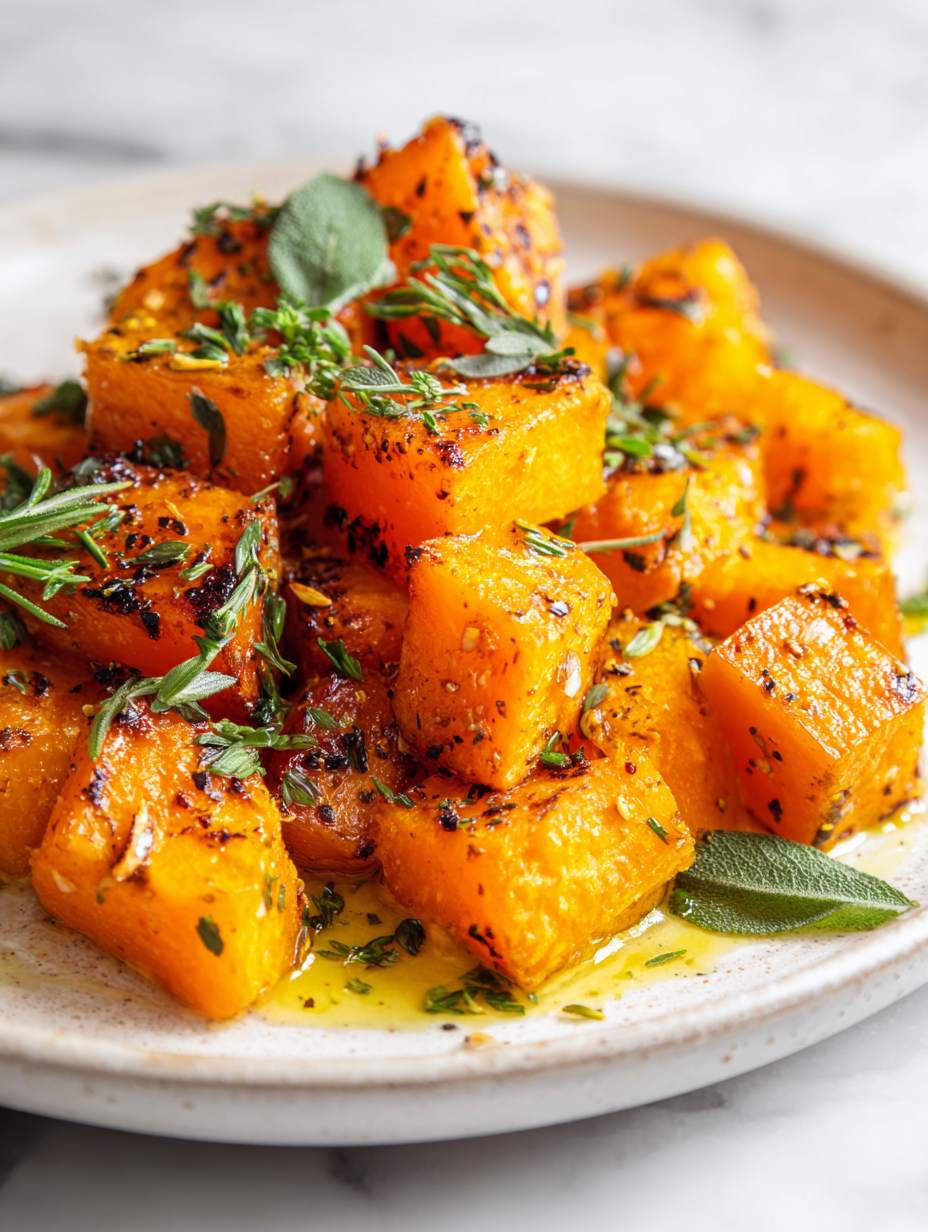
Smoky Roasted Butternut Squash
Ingredients
Equipment
Method
- Preheat your oven to 200°C (400°F). This ensures a hot environment for caramelization.
- Use a paring knife and cutting board to peel the butternut squash, then cut off the ends and scoop out the seeds.
- Cut the squash into thick, uniform cubes—about 1 to 1.5 inches—so they roast evenly and caramelize nicely.
- Place the cubed squash in a large bowl, drizzle with olive oil, then sprinkle with salt and smoked paprika. Toss gently with a silicone spatula until all pieces are evenly coated.
- Spread the seasoned squash cubes in a single layer on a baking sheet, ensuring they aren’t overcrowded for even roasting.
- Roast in the oven for about 25-30 minutes, shaking the pan halfway through to promote even browning and caramelization.
- Check the squash for doneness — edges should be golden brown and caramelized, and the interior tender and soft when pierced with a fork.
- Remove from the oven and let cool slightly. Toss with lemon zest for a fresh, citrusy aroma that brightens the smoky sweetness.
- If desired, drizzle with honey for extra sweetness or harissa for a spicy kick, then serve warm or at room temperature.
Cooking checkpoints to get it just right
- Squash edges are golden brown and slightly crispy.
- The flesh is soft when pierced with a fork.
- A smoky aroma wafts through the kitchen, hinting at caramelization.
- No excess moisture on the pan—squash should be roasted, not steamed.
Common mistakes and how to fix them
- Overcooking the squash, resulting in a watery texture.? Squash is mushy—reduce roasting time or cut smaller pieces.
- Squash steams instead of roasts.? Pan is crowded—use a larger sheet or don’t overcrowd.
- Edges don’t caramelize.? Oven temperature too low—turn up the heat slightly.
- Uneven color and texture. ? Skipped shaking the pan—do it for even browning.
This roasted butternut squash is a canvas for all kinds of flavors—think spicy harissa or a drizzle of honey. Its natural sweetness, deepened by caramelization, makes it versatile enough to serve as a side or a main. The slight smoky undertone adds a layer of complexity that keeps everyone guessing. Enjoy experimenting with different seasonings to make it truly yours.
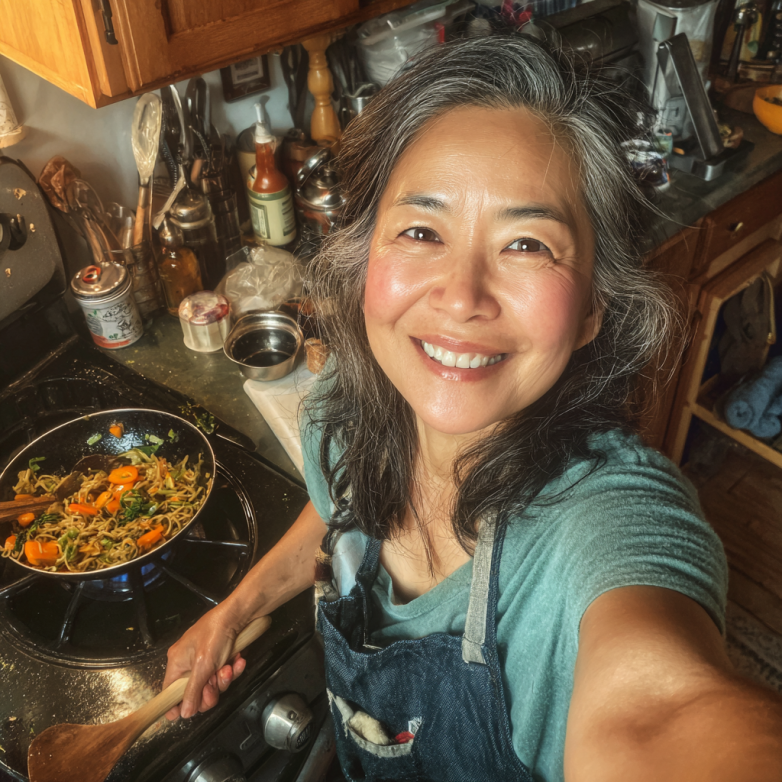
Hi, I’m Olivia Chen-Williams, a professional chef, cooking instructor, and the founder of Turn Around At 50. For nearly three decades, my life has revolved around kitchens. Not the quiet, romantic kind, but the real ones. Hot, loud, demanding, and deeply alive.