
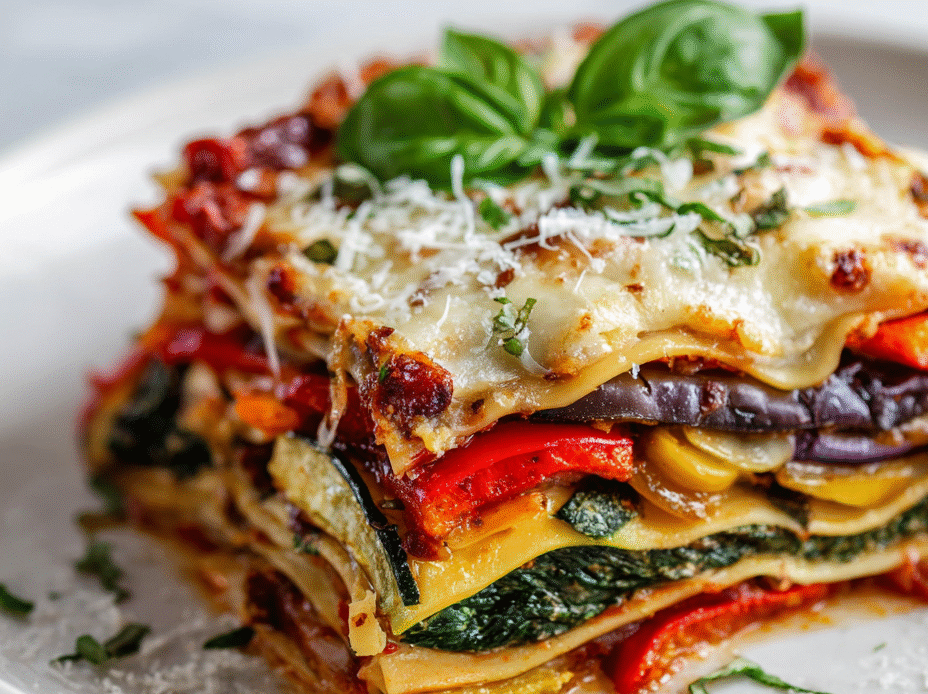
Making vegetable lasagna often feels like a little chaos in the kitchen, especially when I toss in whatever veggies I have lying around. It’s a way to turn a fridge full of odds and ends into something warm, gooey, and genuinely satisfying. No two batches are ever the same, and that’s part of the charm.
There’s something oddly comforting about chopping, layering, and watching those layers bubble and caramelize in the oven. It’s imperfect, a bit messy, but always worth the effort. Plus, it’s a good excuse to clean out the crisper and clear space for new veggies, even if they’re just slightly wilty.
Focusing on the comforting chaos of making vegetable lasagna with whatever veggies I have left over from the week, turning a grocery mishmash into something warm and satisfying.
Turning Odds and Ends into Comfort
- Hunting for those slightly soft, oddly shaped zucchinis always feels like a treasure hunt, and turning them into lasagna makes me oddly proud.
- The smell of melted cheese mingling with roasted veggies always takes me back to family dinners, even on the busiest nights.
- There’s a quiet joy in layering those vibrant vegetables and watching the edges crisp up golden—like a little victory in the chaos.
- Sometimes, I toss in whatever greens are wilting in the fridge—it’s a small act of defiance against waste, and it always tastes better than expected.
The story behind this recipe
- This vegetable lasagna was born out of a kitchen scramble one rainy afternoon. I had a fridge full of odds and ends—spinach that was a day past, a lonely zucchini, some wilted basil—and no plan. Instead of wasting them, I layered everything into a baking dish, hoping for the best. That imperfect, cozy dish turned into my go-to comfort food on busy nights.
- It’s a bit of a messy process, but that’s what makes it real. No perfect sauce or precise layering—just a spontaneous mix of textures and flavors that somehow come together. Each bite reminds me that sometimes, the best meals are the ones born from improvisation and a little chaos.
- heading: ‘The story behind this recipe’
Historical & Cultural Tidbits
- Vegetable lasagna has roots in Italy, where layered pasta and seasonal veggies were a way to stretch ingredients during hard times.
- The dish became popular in America during the 20th century, especially as vegetarian diets gained traction in the 1970s.
- In some regions, early versions used thin slices of zucchini or eggplant instead of pasta, making it a more accessible, low-carb option.
- The idea of turning leftover veggies into a hearty casserole is a timeless kitchen trick, rooted in frugal, rustic cooking traditions.
Key ingredients and tips
- Zucchini: I love the way zucchini becomes tender and slightly caramelized in the oven, adding a subtle sweetness. Swap with yellow squash if you prefer a milder flavor.
- Spinach: Fresh spinach wilts quickly, releasing a vibrant green that brightens the layers. Frozen spinach works fine—just squeeze out excess moisture first.
- Ricotta: Creamy ricotta spreads easily and adds richness. For a lighter version, try cottage cheese—but skip the gritty texture by blending it smooth.
- Tomato Sauce: I prefer a chunky, garlicky marinara that bubbles up with smoky edges. Using jarred sauce saves time, but make your own for a deeper, roasted flavor.
- Cheese: Mozzarella melts into gooey layers, while Parmesan adds a salty punch. A mix of sharp and mild cheeses balances the dish’s richness perfectly.
- Herbs & Seasonings: Fresh basil and oregano lift everything with a bright, herbal note. Dried herbs work in a pinch—just use half the amount to avoid overpowering.
- Lasagna Noodles: If you’re short on time, no-boil noodles are a game changer—they soak up flavors as they bake, becoming tender and flavorful without pre-cooking.
Spotlight on Key Ingredients
Zucchini & Spinach:
- Zucchini: I love how zucchini becomes tender and slightly caramelized in the oven, adding a subtle sweetness. Swap with yellow squash if you prefer a milder flavor.
- Spinach: Fresh spinach wilts quickly, releasing a vibrant green that brightens the layers. Frozen spinach works fine—just squeeze out excess moisture first.
Notes for ingredient swaps
- Dairy-Free: Swap ricotta with blended silken tofu or cashew cream. It won’t be as creamy, but still satisfying.
- Vegan Cheese: Use a plant-based shredded cheese blend. Expect a slightly different melt and a milder flavor.
- Gluten-Free: Replace traditional lasagna noodles with rice or corn-based gluten-free sheets. They tend to be a bit more delicate.
- Low-Sodium: Opt for reduced-salt tomato sauce and skip extra Parmesan to keep salt levels balanced.
- Olive Oil: Use avocado oil or melted vegan margarine for a different but equally rich flavor in the layers.
- Fresh Herbs: Dried herbs work fine—just halve the amount and crush them a bit before layering for better flavor release.
- Vegetables: Use eggplant slices or shredded carrots if zucchini or spinach aren’t available—both add nice texture and color.
Equipment & Tools
- 9×13 inch baking dish: Holds assembled lasagna for baking.
- Sharp knife: Slices vegetables thinly and cuts lasagna cleanly.
- Large spoon or spatula: Spreads sauce and layers ingredients smoothly.
- Aluminum foil: Prevents top burning and retains moisture during baking.
- Oven: Bakes the lasagna evenly at 180°C (350°F).
Step-by-step guide to vegetable lasagna
- Gather all ingredients: veggie slices, cheese, sauce, and noodles. Preheat oven to 180°C (350°F).
- Prepare your baking dish—around 9×13 inches—grease lightly with olive oil or non-stick spray.
- Slice vegetables thinly—about 3mm—so they layer evenly and cook through during baking.
- Start with a thin layer of tomato sauce at the bottom of the dish. Spread evenly with a spoon.
- Layer noodles over sauce, slightly overlapping. Break noodles if needed to fit edges.
- Add a layer of sliced veggies (zucchini, spinach, mushrooms). Spread some ricotta and sprinkle mozzarella.
- Repeat layers—sauce, noodles, veggies, ricotta, cheese—until ingredients are used, finishing with cheese on top.
- Cover with foil—preferably parchment paper underneath—and bake for 35 minutes. Check for bubbling around edges.
- Remove foil and bake an additional 10 minutes to brown the cheese. Look for golden, bubbly edges and slightly crispy top.
- Let the lasagna rest for at least 15 minutes. This helps it set and makes slicing easier.
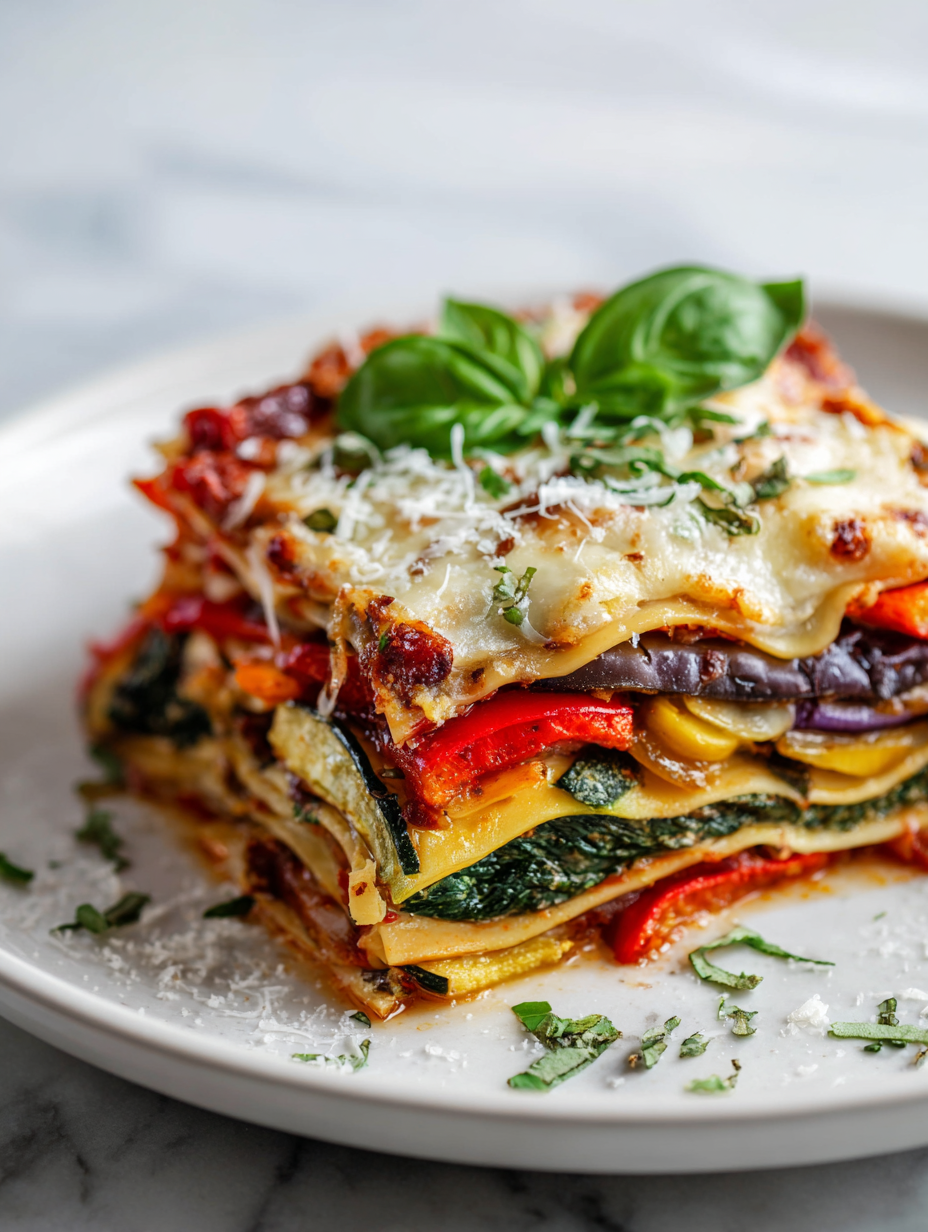
- Slice and serve. The layers should hold, with melted cheese and fragrant roasted veggies.
- For the best flavor, serve slightly warm—notice the oozy cheese and caramelized edges when slicing.
Let the lasagna rest uncovered for at least 15 minutes. Slice with a sharp knife, serving warm with a sprinkle of fresh herbs if desired.
How to Know It’s Done
- Cheese on top is golden and bubbly, not burnt.
- Veggies are tender and slightly caramelized at the edges.
- Lasagna slices hold their shape when cut, not falling apart.
Vegetable Lasagna
Ingredients
Equipment
Method
- Preheat your oven to 180°C (350°F). Slice the zucchini into thin rounds, about 3mm thick, and set aside.
- Thaw the frozen spinach and squeeze out excess moisture. In a bowl, mix the spinach with the ricotta cheese, chopped basil, and half of the minced garlic for a fresh, vibrant filling.
- Cook the lasagna noodles according to package instructions if using regular noodles. Drain and set aside.
- Spread a thin layer of marinara sauce at the bottom of the baking dish. This base prevents sticking and adds flavor.
- Layer noodles over the sauce, slightly overlapping for even coverage. Break noodles as needed to fit edges.
- Spread a layer of the ricotta-spinach mixture over the noodles, then add a handful of sliced zucchini on top. Drizzle with a little olive oil for moisture.
- Sprinkle shredded mozzarella and grated Parmesan evenly over the vegetables for gooey, cheesy layers.
- Repeat the layers—sauce, noodles, ricotta mixture, zucchini, cheeses—until all ingredients are used, finishing with a generous layer of cheese on top.
- Cover the assembled lasagna tightly with aluminum foil to retain moisture. Bake in the oven for 35 minutes, until bubbling and heated through.
- Remove the foil and bake for an additional 10 minutes to brown the cheese and crisp the edges. The top should be golden and bubbly.
- Let the lasagna rest for at least 15 minutes before slicing. This helps it set and makes clean slices easier.
- Slice into portions, garnish with fresh basil if desired, and serve warm to enjoy the gooey cheese and tender vegetables.
Pro tips for perfect vegetable lasagna
- Bolded Mini-Head: Use a sharp knife → Slices cleanly and evenly, reducing uneven cooking.
- Bolded Mini-Head: Pre-salt the zucchini → Draw out excess moisture for less sogginess and better browning.
- Bolded Mini-Head: Cover with foil during baking → Keeps moisture in, prevents over-browning, and ensures tender veggies.
- Bolded Mini-Head: Let the lasagna rest → Resting for at least 15 minutes helps it set, making slices neater.
- Bolded Mini-Head: Sprinkle cheese on top last → Avoids burning and ensures a gooey, golden crust.
- Bolded Mini-Head: Use a wide spatula → Lifts and serves slices without breaking, especially when hot.
- Bolded Mini-Head: Incorporate a splash of pasta water → Adds silkiness to sauce and helps it cling to veggies.
Common mistakes and how to fix them
- FORGOT to check noodle doneness → Undercooked noodles become mushy upon baking.
- DUMPED too much cheese → Excess cheese makes the top greasy and heavy.
- OVER-TORCHED edges → Burnt edges taste bitter; cover with foil sooner.
- MISSED resting time → Cutting too early causes lasagna to fall apart.
Quick fixes and pantry swaps
- When sauce looks too thick, splash in a little water to loosen it up.
- If cheese isn’t melting evenly, turn up the oven heat slightly for a few minutes.
- Dumped too much salt? Rinse veggies quickly before layering to reduce saltiness.
- Over-browned edges? Cover with foil and lower oven temp to finish baking gently.
- Splash a bit of olive oil on top if cheese isn’t bubbling—shimmering and fragrant in seconds.
Prep, store, and reheat tips
- Prep vegetables and assemble layers ahead of time; keep covered in the fridge for up to 24 hours, where flavors meld and intensify, especially the herbs and roasted edges.
- Bake the lasagna a day in advance; cool completely, then store tightly wrapped in foil or an airtight container for up to 3 days. Reheat until bubbling around the edges and cheese is gooey.
- Freezing is an option—wrap well in plastic wrap and foil, and freeze for up to 2 months. Thaw overnight in the fridge, then reheat thoroughly, noticing the flavors deepen.
- Reheating: oven at 180°C (350°F) for about 20-25 minutes, until hot and fragrant. Check for bubbling and golden cheese on top; it should smell rich and taste just as comforting as fresh.
Top questions about vegetable lasagna
1. Can I use frozen vegetables in the lasagna?
Use any mix of fresh or frozen vegetables you like; it’s forgiving and adaptable. Think zucchini, spinach, mushrooms, or bell peppers, whatever you have. The key is to slice them thin so they layer easily and cook through during baking.
2. Can I substitute fresh vegetables with frozen ones?
Yes, just make sure to squeeze out excess moisture from frozen greens like spinach to prevent sogginess. For other veggies, thaw and pat dry if they release a lot of water when cooked.
3. Do I need to cook the vegetables before layering?
Absolutely. If you’re short on time, pre-cooked or roasted veggies work well. Just layer them cold—no need to cook separately—since they’ll bake in the oven and soften during assembly.
4. Can I prepare the lasagna in advance?
You can make the lasagna ahead and refrigerate it for up to 24 hours before baking. Just cover it tightly with plastic wrap or foil. The flavors deepen overnight, making it even more comforting.
5. Is it freezer-friendly?
Yes, freeze it for up to 2 months. Wrap tightly in foil or plastic. Thaw overnight in the fridge, then bake until bubbling and fragrant. The texture might be slightly softer, but it still tastes great.
6. How do I know when it’s done?
When baking, keep an eye on the cheese—once it’s golden and bubbly, it’s ready. Check that the edges are caramelized and veggies are tender. Rest for 15 minutes before slicing to help it set.
7. How should I serve the lasagna?
Use a sharp knife or spatula for clean slices. Resting helps the layers set so they don’t fall apart. The top should be golden, and the edges slightly crispy. The aroma of melted cheese and roasted veggies is your cue.
8. What if the cheese isn’t melting evenly?
If the top is browning too quickly, cover loosely with foil and lower the oven temperature slightly. For uneven melting, increase oven heat for a few minutes, keeping an eye so it doesn’t burn.
9. How do I serve perfect slices?
Use a wide, flat spatula to lift slices without breaking them. For extra flavor, sprinkle fresh herbs on top just before serving. Serve warm, noticing the gooey cheese and fragrant roasted veggies.
10. Quick fixes for common issues
If the sauce is too thick, splash in a little water or broth to loosen it. When cheese isn’t bubbling, turn up the heat briefly. If edges burn, cover with foil and lower the oven temp to finish baking gently.
This vegetable lasagna isn’t just about turning odds and ends into dinner; it’s about embracing the chaos of the kitchen and letting flavor lead the way. Each slice carries a bit of that messy, spontaneous energy, which makes it all the more satisfying to serve. It’s a dish that feels like a little victory, no matter how the layers come together.
In times when comfort food feels especially needed, this recipe offers a chance to slow down and enjoy the simple act of creating something hearty and real. It’s imperfect, forgiving, and always a reminder that the best meals often come from a bit of improvisation. And sometimes, that’s exactly what we need.

Hi, I’m Olivia Chen-Williams, a professional chef, cooking instructor, and the founder of Turn Around At 50. For nearly three decades, my life has revolved around kitchens. Not the quiet, romantic kind, but the real ones. Hot, loud, demanding, and deeply alive.