
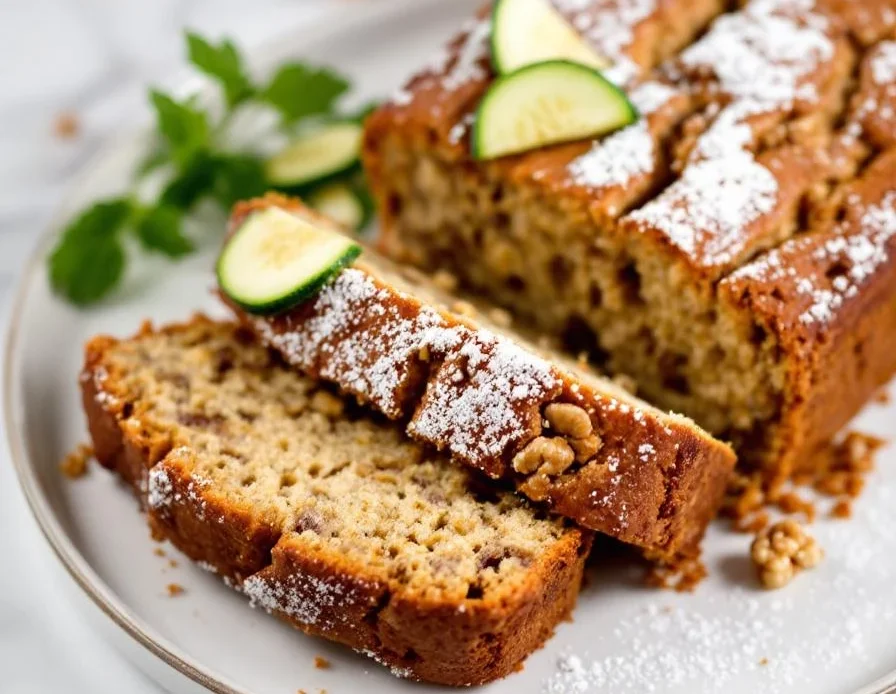
Filling a bowl with grated zucchini, I always forget how much water comes out—so I squeeze and squeeze, feeling the soft flesh give way under my fingers. It’s a sticky mess that’s part of the process, not a clean kitchen moment.
Once the zucchini is drained and pressed, I toss it into the mixing bowl with the rest of the ingredients, ready to fold everything together without overmixing, feeling the cool, moist batter come together.
The gentle squeak of zucchini as you squeeze out excess moisture, feeling the soft, watery flesh give way under your fingers—it’s a messy, satisfying step that shapes the bread’s texture.
What goes into this dish
- Zucchini: I grab firm, bright green zucchini, grate it with a box grater—watch out for the watery mess. If you prefer less moisture, squeeze out some of the liquid, but I like it juicy and tender, almost oozing when baked.
- All-purpose flour: I stick with plain flour for structure, but whole wheat works if you want a nuttier flavor. Measure carefully—too much flour will make the bread dense and dry, not enough and it falls apart.
- Sugar: I use regular granulated sugar, but brown sugar adds a caramel note and some moisture. Skip the sugar altogether for a less sweet, more savory loaf if you’re feeling experimental.
- Eggs: I beat mine until frothy, they help bind everything together. For a vegan version, try flaxseed meal mixed with water—just a teaspoon of flaxseed per egg—though the texture changes.
- Oil: I go for neutral-tasting vegetable oil, but melted butter gives a richer flavor and a slightly crumblier crumb. Use applesauce if you want to cut calories and add a subtle fruitiness, but beware of the moisture level.
- Baking powder: A teaspoon helps the bread rise and keeps it light. If you only have baking soda, add a splash of vinegar or lemon juice to activate it—don’t skip the leavening.
- Vanilla: I add a splash for aroma, but you can skip it if you prefer a more straightforward zucchini flavor. A pinch of cinnamon or nutmeg can also deepen the aroma and complement the zucchini’s freshness.
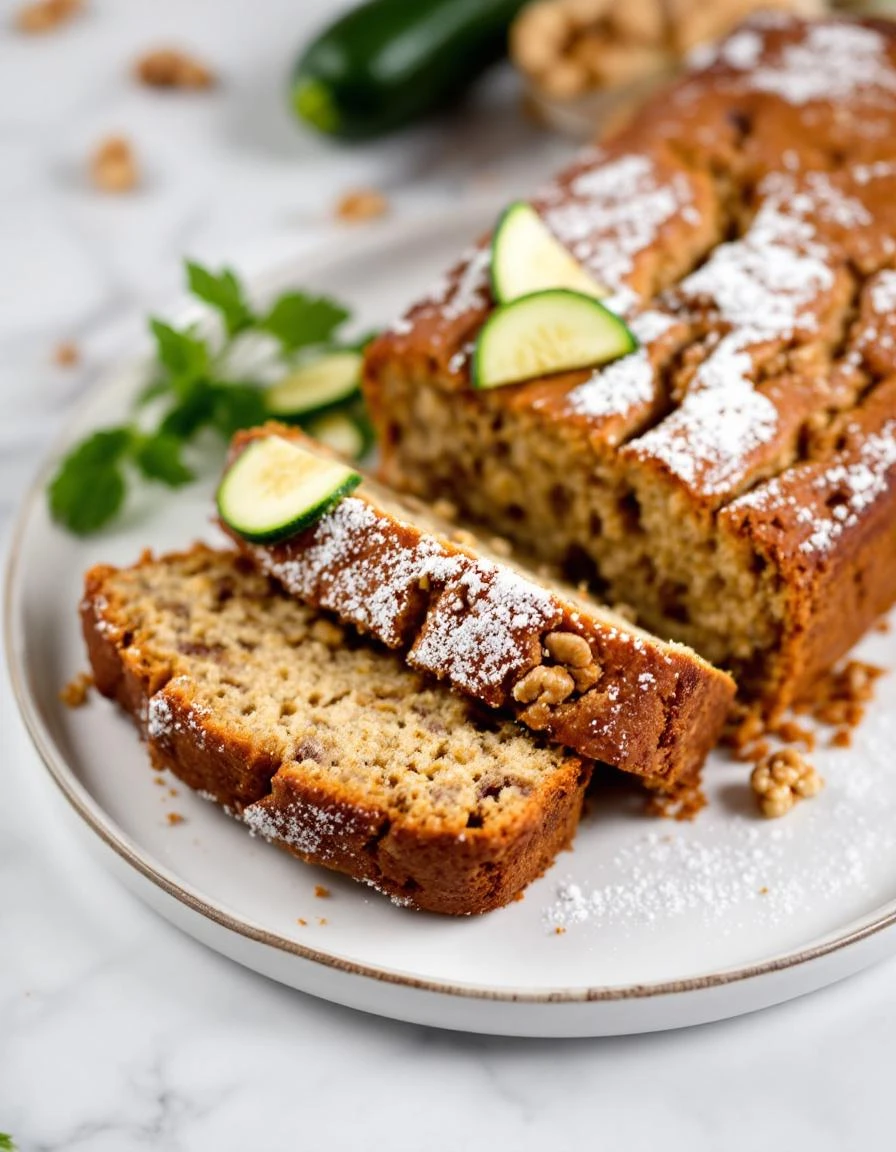
Zucchini Bread
Ingredients
Equipment
Method
- Preheat your oven to 350°F (175°C) and lightly grease a loaf pan.
- Using a box grater, grate the zucchini and transfer it to a clean kitchen towel or paper towels.
- Squeeze firmly to remove excess water from the zucchini, feeling the flesh become less watery and more concentrated in moisture.
- In a large mixing bowl, whisk the eggs until frothy and light in color, releasing a subtle aroma of eggs.
- Pour in the vegetable oil and vanilla extract, then whisk again to combine everything smoothly.
- Add the sifted flour, sugar, and baking powder to the wet mixture, then gently fold everything together with a spatula, just until combined.
- Stir in the squeezed zucchini, folding gently to evenly distribute the vegetable without overmixing, which keeps the bread tender.
- Pour the batter into the prepared loaf pan, smoothing the top with the spatula for an even surface.
- Bake in the oven for about 50 minutes, or until the top is golden brown and a toothpick inserted into the center comes out clean.
- Remove the bread from the oven, let it cool in the pan for 10 minutes, then transfer to a wire rack to cool completely before slicing.
- Slice once cooled, and enjoy your moist, tender zucchini bread with a subtle green aroma and satisfying crumb.
Common Mistakes and How to Fix Them
- FORGOT to measure flour accurately? Use the spoon-and-level method to avoid dense bread.
- DUMPED in too much zucchini? Squeeze out excess moisture to prevent soggy texture.
- OVER-TORCHED the crust? Keep an eye during baking, reduce heat slightly if browning too fast.
- MISSED adding vanilla? It enhances aroma, but skip if you prefer a more straightforward flavor.
Make-Ahead and Storage Tips
- Prepare and grate zucchini the night before; squeeze out excess water and store in an airtight container in the fridge for up to 24 hours.
- You can mix the batter a day ahead, cover tightly, and keep in the fridge for up to 12 hours—flavors meld slightly, and it’s ready to bake.
- Baked zucchini bread keeps well at room temperature for 2 days, in the fridge for up to a week; freeze slices for longer storage.
- Wrap slices tightly in foil or plastic wrap before freezing; defrost at room temp or warm gently in the oven, watching for that just-baked smell.
- Reheat slices in a low oven (around 300°F) for about 10 minutes, until warm and fragrant; the crust gets a little crisp again, and the aroma comes back.
FAQs
1. How does zucchini affect the bread’s texture?
The zucchini’s watery flesh makes the bread moist and tender, with a slight chew. When you bite in, you’ll hear a soft squish, and the flavor releases a fresh, green aroma.
2. Why do I need to squeeze the zucchini?
Squeezing out excess water from the grated zucchini is key. It prevents sogginess, and you’ll notice the batter feels thicker and less watery, with a more concentrated vegetable aroma.
3. Can I use older zucchini?
Using fresh zucchini gives a bright, slightly vegetal flavor and a bit of crunch if you leave some skin on. Old or limp zucchini can turn the bread bland or watery, so pick firm, vibrant ones.
4. Should I spice the zucchini bread?
Adding a dash of cinnamon or nutmeg elevates the aroma, giving the bread a cozy, warm scent that lingers as it bakes. Skip these if you want a cleaner, more straightforward flavor.
5. How do I reheat zucchini bread without drying it out?
Reheat slices gently in a warm oven or toaster oven until they emit a toasty smell. You’ll notice the crust crisping slightly and the moist crumb warming, releasing that inviting, baked aroma.

Hi, I’m Olivia Chen-Williams, a professional chef, cooking instructor, and the founder of Turn Around At 50. For nearly three decades, my life has revolved around kitchens. Not the quiet, romantic kind, but the real ones. Hot, loud, demanding, and deeply alive.