

This Stanley Tucci- style Negroni is one of those drinks that feels calm, confident, and unfussy, exactly how a good cocktail should be. I usually make this in the early evening, when dinner is still a little while away and the kitchen is quiet. It’s not flashy, but it’s deliberate, balanced, and meant to be sipped slowly.
Table of Contents
Behind the Recipe
Like a lot of people, I was drawn to Stanley Tucci’s approach to food and drink because it feels grounded and thoughtful. Stanley Tucci is especially known for his Negroni Sbagliato, which replaces gin with prosecco for a lighter, sparkling variation. This recipe uses the classic Negroni formula with gin, which is the original version created in Florence, Italy, in 1919. Both versions follow the equal-parts philosophy that makes the drink easy to prepare and perfectly balanced. This recipe sticks closely to that philosophy.
Why You’ll Love This Recipe
- Perfect balance: Bitter, sweet, and herbal
- Minimal ingredients: Just three main components
- Classic preparation: No gimmicks
- Elegant but simple: Feels intentional
- Great before dinner: Classic aperitivo
- Easy to remember: Equal parts formula
- Timeless: Never goes out of style
Chef’s Pro Tips for Perfect Results
- Use good ice: Large cubes melt slower
- Measure equally: Balance matters
- Stir gently: Keeps the drink smooth
- Use fresh citrus peel: Better aroma
Kitchen Tools You’ll Need
- Mixing glass or sturdy tumbler: For stirring
- Bar spoon or long spoon: Gentle mixing
- Jigger: Accurate measuring
- Strainer (optional): Needed only if using a separate mixing glass
- Rocks glass: Traditional serving
Ingredients in This Recipe
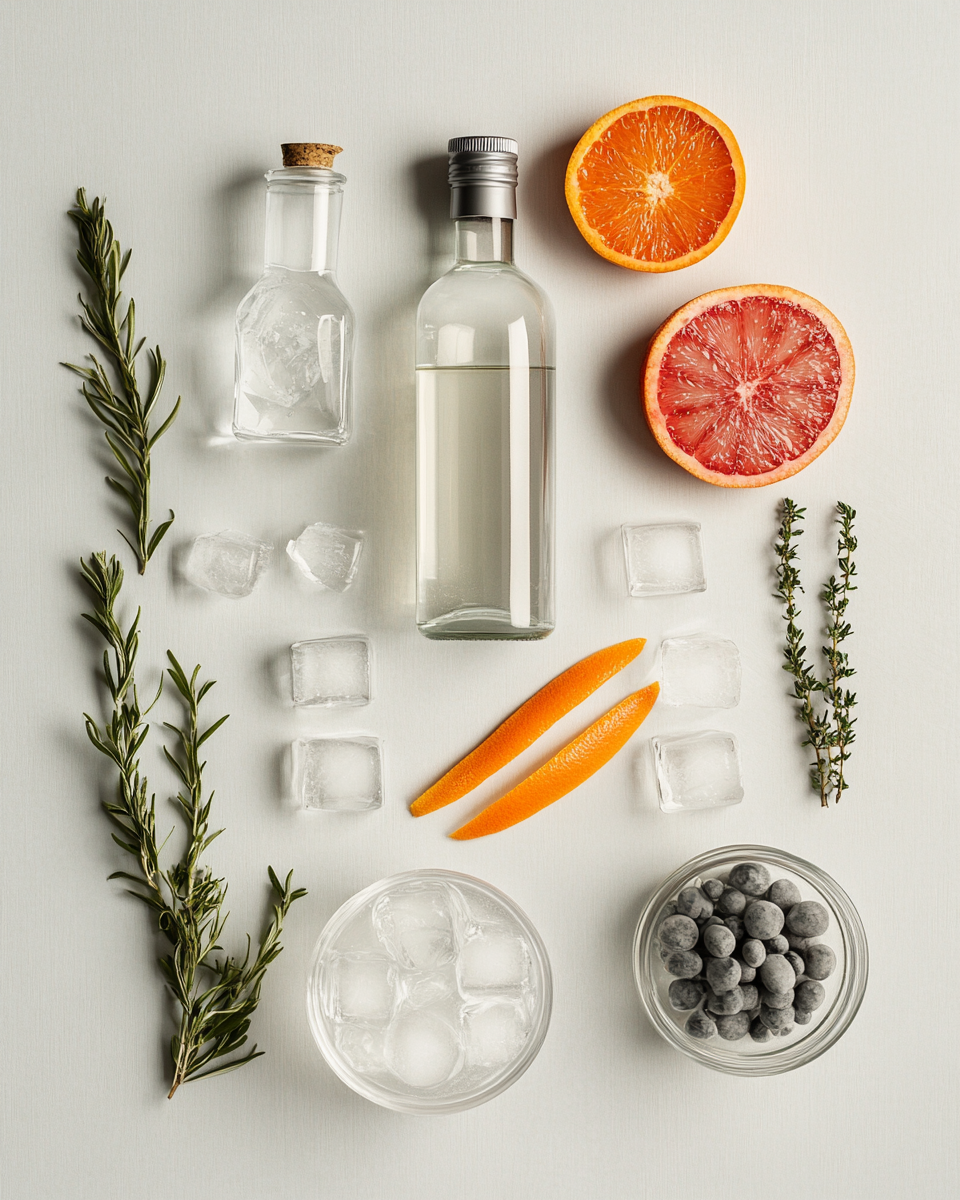
- Gin (1 ounce): Provides a crisp, herbal backbone
- Campari (1 ounce): Adds signature bitterness and vibrant color
- Sweet vermouth (1 ounce): Brings smooth balance and aromatic depth
- Orange peel (1 strip, for garnish): Adds a bright, citrusy finish
- Ice (as needed): Essential for proper chilling and gentle dilution
Ingredient Substitutions
- Gin → vodka: Softer, less herbal
- Campari → Aperol: Sweeter, lighter, and less bitter version with lower alcohol content
- Sweet vermouth → bianco vermouth: Lighter profile, sweet vermouth must be refrigerated after opening and is best used within 4–8 weeks for optimal flavor.
- Orange peel → lemon peel: Sharper citrus note
Ingredient Spotlight
- Campari: Signature bitterness and color
- Sweet vermouth: Rounds out the sharp edges
How To Make This Recipe
- Chill glass: Fill rocks glass with ice and set aside while preparing the drink. Discard ice before serving.
- Add ingredients: Pour equal parts gin, Campari, and sweet vermouth into a mixing glass
- Add ice: Fill with large ice cubes
- Stir: Gently for 20–30 seconds until properly chilled and slightly diluted
- Strain: Pour over fresh ice in prepared glass
- Garnish: Express orange peel oils and drop in

Stanley Tucci-Inspired Negroni
Ingredients
Equipment
Method
- Chill glass: Fill rocks glass with ice and set aside while preparing the drink. Discard ice before serving.
- Add ingredients: Pour equal parts gin, Campari, and sweet vermouth into a mixing glass
- Add ice: Fill with large ice cubes
- Stir: Gently for 20-30 seconds until properly chilled and slightly diluted
- Strain: Pour over fresh ice in prepared glass
- Garnish: Express orange peel oils and drop in
Notes
You Can Also Try out Other Recipes
Make-Ahead and Storage Tips
- Batch ahead: Mix without ice and refrigerate
- Store sealed: Up to 1 week refrigerated for best flavor
- Add ice when serving: Prevents over-dilution
How to Serve This Drink
- As an aperitivo: Before dinner
- With light snacks: Olives or nuts
- Slow sipping: Best enjoyed unrushed
Creative Leftover Transformations
- Negroni spritz: Top with sparkling water
- Boulevardier-style: Swap gin for bourbon
- Frozen Negroni cubes: Chill without dilution
Additional Tips
- Use quality spirits: Simple drinks show flaws
- Keep vermouth refrigerated: Preserves flavor
- Serve cold: Always
Make It a Showstopper
- Use a large clear ice cube: Visual impact
- Express orange oils dramatically: Aroma boost
- Serve in a heavy glass: Feels intentional
Variations to Try
- Boulevardier: Bourbon instead of gin
- White Negroni: Use Suze and Lillet Blanc
- Negroni sbagliato: Replace gin with prosecco
- Low-bitter: Use Aperol instead of Campari
- Herbal twist: Add a rosemary garnish
FAQ’s
- Is this very bitter?: Balanced but bold
- Can I make it lighter?: Yes, add soda
- What gin works best?: London dry styles
- Should vermouth be refrigerated?: Yes
- Can I batch this?: Absolutely
- Is shaking ever okay?: Stirring is traditional because it keeps the drink smooth and clear. Shaking will chill it faster but can make it slightly cloudy and more diluted.
- What glass is traditional?: Rocks glass
- Can I use Aperol?: Yes, milder result
- Is this an after-dinner drink?: Best before dinner
- Why equal parts?: Classic balance

Hi, I’m Olivia Chen-Williams, a professional chef, cooking instructor, and the founder of Turn Around At 50. For nearly three decades, my life has revolved around kitchens. Not the quiet, romantic kind, but the real ones. Hot, loud, demanding, and deeply alive.