
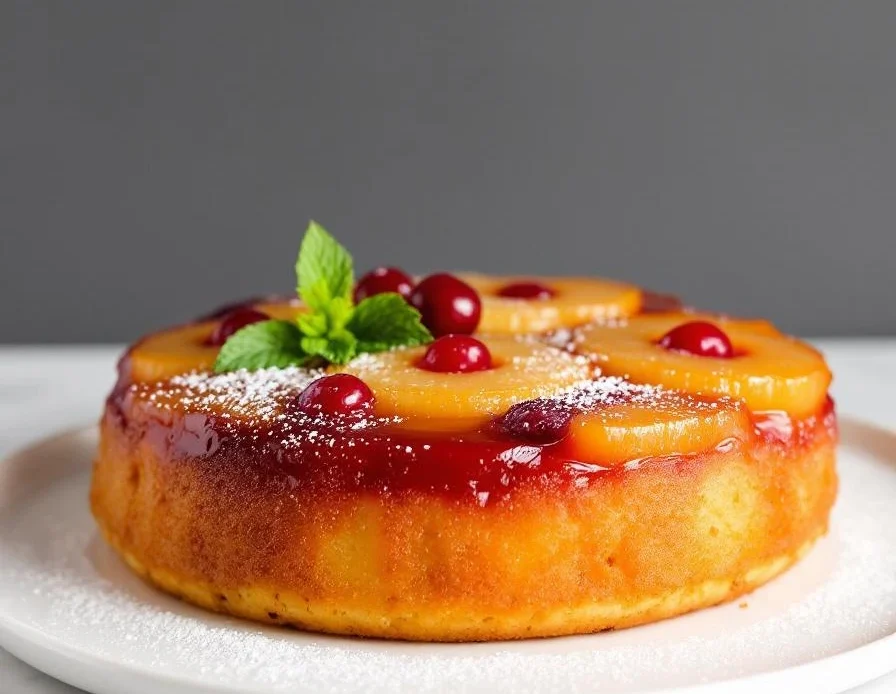
Making a pineapple upside down cake starts with preparing the caramelized sugar in the pan, watching it turn a deep amber as you stir in butter and pineapple juice. The sizzle and sweet aroma fill the kitchen, signaling it’s time to arrange the pineapple slices on top.
Once the pineapple and cherries are nestled in the caramel, you pour the batter over, smoothing it out before sliding the whole thing into the oven. It’s a messy, sticky process that needs quick hands, especially when flipping the cake onto a plate afterward.
the satisfying sizzle and caramelizing smell as the pineapple slices hit the hot sugar in the pan, filling the kitchen with a smoky, sweet aroma that promises a sticky, gooey topping.
Key Ingredients and Alternatives
- Pineapple slices: I like firm, juicy rings that hold their shape when caramelized, but you can swap in canned pineapple chunks if fresh isn’t available. Just make sure they’re well-drained—nothing worse than a soggy topping.
- Brown sugar: I use dark brown for a richer, molasses kick, but light works if you prefer a milder sweetness. Skip the sugar entirely for a less sticky, more citrus-forward version—think lemon zest instead.
- Butter: I swear by unsalted for control, but salted butter can add a nuanced salty edge. Margarine or coconut oil can stand in if you’re dairy-free, though they won’t caramelize quite the same.
- Maraschino cherries: I love their pop of color and slight tang, but dried or fresh cherries can work if you want a less synthetic vibe. Just pit and quarter them first to avoid surprises.
- Vanilla extract: I always add a splash for depth, but almond or rum extract can lend a different aromatic punch. Skip if you’re aiming for a minimalist caramel- pineapple flavor.
- Cake batter: I go classic with all-purpose flour and butter, but a gluten-free blend or Greek yogurt can add moisture and a different crumb texture. Keep an eye on baking time if you tweak the flour.
- Optional spices: A pinch of cinnamon or nutmeg can warm things up, but skip if you prefer a straightforward fruit cake. Add just before pouring on the batter to keep the spices vibrant.
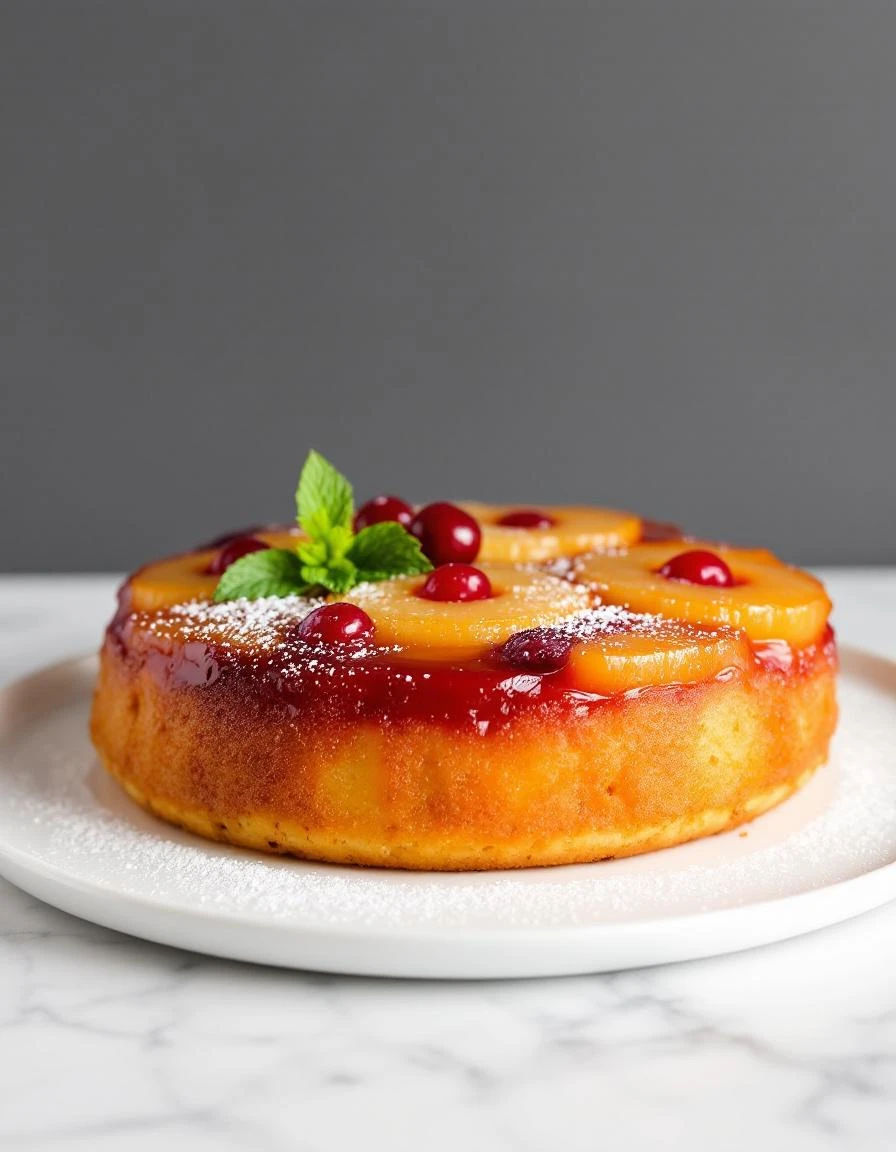
Pineapple Upside Down Cake
Ingredients
Equipment
Method
- Begin by melting the butter in a saucepan over medium heat, then stir in the dark brown sugar. Keep stirring until the mixture turns a deep amber and becomes sticky, filling your kitchen with a sweet, caramel aroma. Once ready, pour this caramel into the bottom of your cake pan, spreading it evenly.
- Arrange the pineapple slices neatly over the caramel, placing a cherry in the center of each slice for a colorful touch. Set the pan aside while you prepare the batter.
- In a mixing bowl, whisk together the flour, sugar, and a pinch of salt. In a separate bowl, combine the melted butter, eggs, vanilla extract, and milk, whisking until smooth and slightly frothy.
- Pour the wet ingredients into the dry ingredients and fold gently until just combined. The batter should be smooth, glossy, and pourable but not runny.
- Slowly pour the batter over the arranged pineapple slices, smoothing the top with a spatula if needed. The batter should evenly cover the fruit without disturbing their arrangement.
- Place the cake pan in a preheated oven at 350°F (175°C) and bake for about 45 minutes, or until the top is golden brown and a toothpick inserted into the center comes out clean. Listen for a gentle sizzle and smell the sweet caramel as it bakes.
- Once baked, remove the cake from the oven and let it cool for about 10 minutes. Then, carefully run a knife around the edges to loosen the sides, and place a serving plate on top of the pan.
- Quickly but carefully flip the pan over onto the plate, allowing the caramelized fruit to cascade over the top. You should hear a satisfying crack and see the shiny fruit and caramel now on display.
- Gently lift the pan away, revealing your beautifully caramelized pineapple upside down cake. Serve warm or at room temperature, enjoying the sticky, gooey topping with each slice.
Common Upside Down Cake Mistakes
- FORGOT to let the caramel cool slightly before flipping—liquid sugar can spill and burn.
- DUMPED pineapple slices directly into hot caramel—wait until it’s bubbling and thickening for better adhesion.
- OVER-TORCHED the sugar—keep a close eye and remove from heat as it reaches amber, not dark brown.
- MISSED lining the pan with parchment—prevents sticking and makes flipping easier, especially with sticky caramel.
Make-Ahead and Storage Tips
- You can prepare the caramel base and arrange the pineapple slices a day in advance; just keep the pan covered in the fridge.
- Cake can be baked a day ahead; store it tightly wrapped at room temperature or refrigerated if it’s warm outside.
- Flavors deepen overnight, so the caramel might become more intense, and the pineapple sweeter—adjust sugar if needed before serving.
- Reheat slices gently in the oven at 325°F (160°C) for about 10 minutes, until just warm, and check for a sticky, gooey texture.
- Avoid refrigerating the cake for too long; the caramel can harden, making it tricky to serve without reheating.
- Serve slightly warm for best texture—notice how the caramel melts on your tongue, with a faintly smoky, sweet aroma.
FAQs
1. How do I pick the right pineapple for this cake?
The pineapple should feel firm but slightly yielding when pressed, with a bright, sweet aroma. It shouldn’t be mushy or overly fragrant like canned versions. Smell the tropical scent as you layer it in the caramel.
2. What’s the best way to flip the cake without making a mess?
Use a light touch when flipping the cake; the caramel is hot and sticky. The top should come away cleanly, revealing a glossy, oozing pineapple crown. Listen for a gentle crack as the cake releases from the pan.
3. How do I know when the batter is ready to go in the oven?
The batter should be thick but pourable, with a slight sheen. When you pour it over the caramel and pineapple, it should spread easily but not run off. Feel the batter’s weight and smoothness as you tap the pan to settle it.
4. How can I tell when the cake is baked?
A golden-brown crust with a slight caramelized smell indicates doneness. The top should feel firm but not hard. When you insert a toothpick, it should come out clean with a faint caramel scent on it.
5. How should I reheat leftover cake for best flavor?
Reheat slices in the oven at 325°F until the caramel glistens again and the pineapple feels warm. The aroma will turn sweet and smoky as the sugars melt back into a sticky, gooey glaze. Avoid microwaving to keep the texture intact.

Hi, I’m Olivia Chen-Williams, a professional chef, cooking instructor, and the founder of Turn Around At 50. For nearly three decades, my life has revolved around kitchens. Not the quiet, romantic kind, but the real ones. Hot, loud, demanding, and deeply alive.