
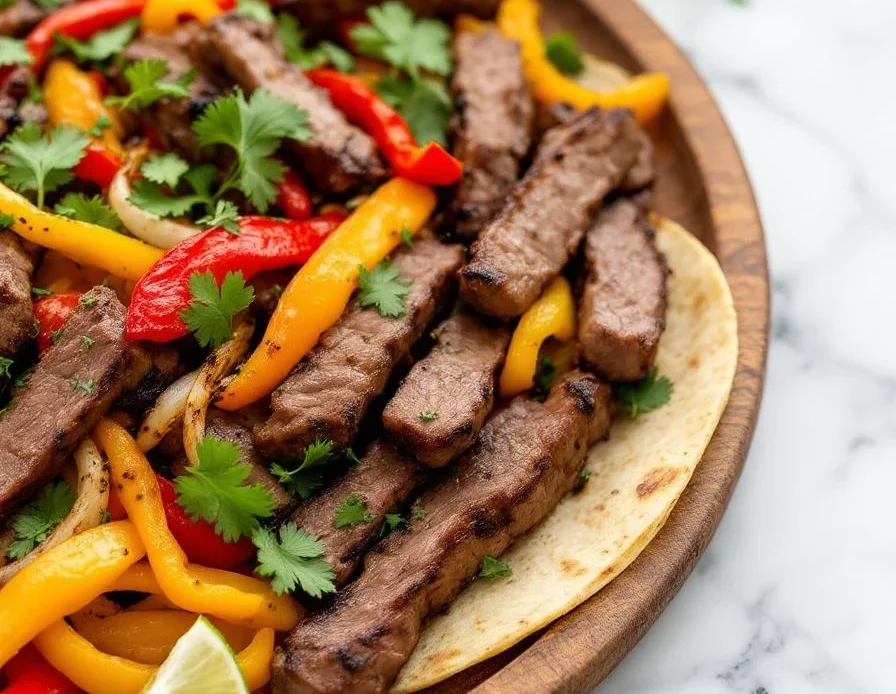
Getting these fajitas right means standing at the stove, tossing peppers and onions into a screaming hot skillet. The sound of them crackling and popping as they hit the oil is almost as satisfying as the smell that billows up.
Slicing the steak thin and quick ensures it sears without drying out, while the juices stay locked in. The mess of the prep—chopping, marinating, assembling—feels like part of the process, not a chore.
The sizzle and pop of the peppers and onions hitting the hot skillet, sending up a smoky aroma that fills the kitchen.
Key Ingredients and Substitutes
- Bell peppers: I like a mix of red and yellow for color and sweetness—slice thin for quick caramelization. Skip if you’re out; poblano adds smoky depth if you want heat without spice.
- Onions: Slicing them thin makes them melt into the peppers, releasing that sweet, almost molasses aroma. Ditch if you’re not a fan of the tear-inducing fumes, but they really boost flavor.
- Skirt steak: Marinate with lime, garlic, and cumin—quick, but enough to tenderize. If you prefer leaner, try sirloin; for more chew, flap steak works but needs longer marinate.
- Tortillas: Flour tortillas are classic, but corn adds a nuttier flavor and holds up better with spicy juices. Warm just before serving—rub with a damp towel, then heat.
- Spices: Cumin, paprika, chili powder—toast them briefly in the pan before adding veggies for a smoky punch. Skip or change if you prefer milder or more intense heat.
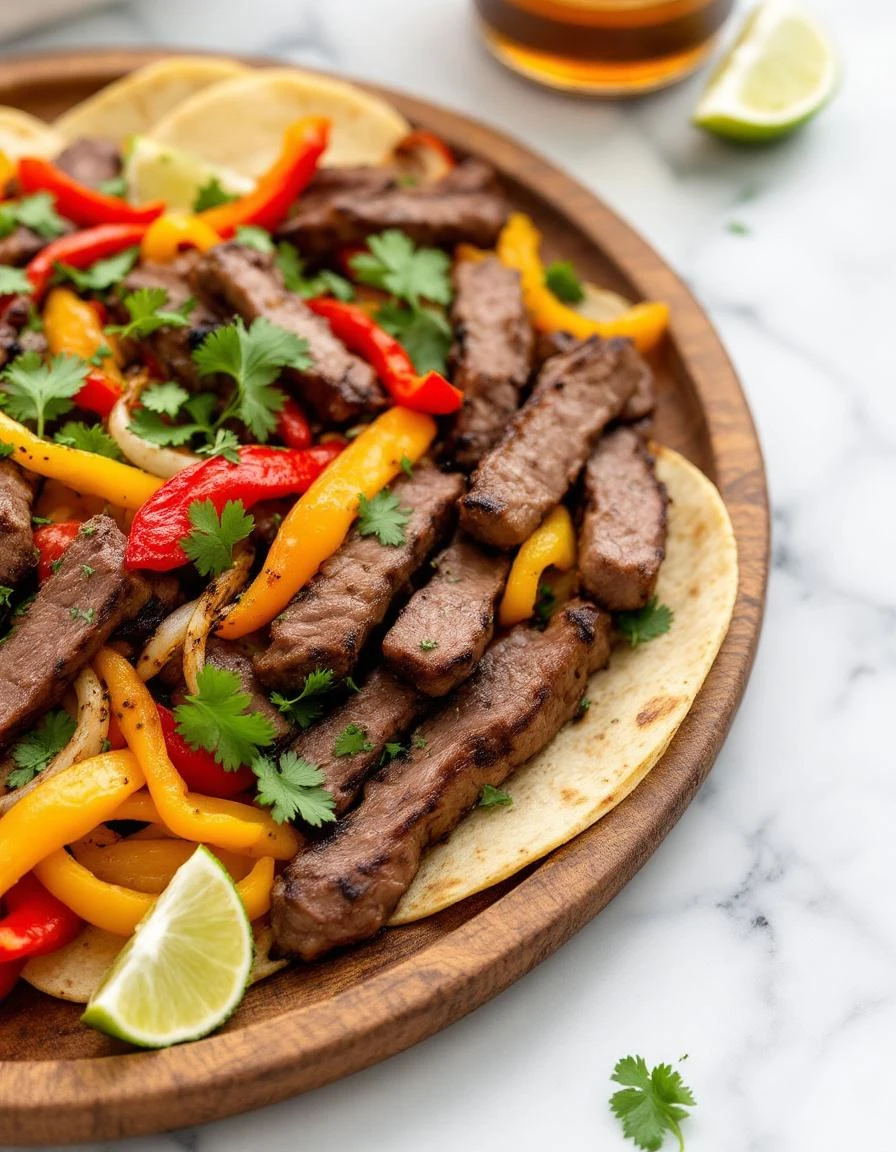
Steak Fajitas
Ingredients
Equipment
Method
- Combine lime juice, minced garlic, cumin, paprika, chili powder, and a pinch of salt in a bowl to create the marinade. Add sliced steak, toss to coat, and let sit for at least 15 minutes to tenderize and infuse flavor.
- While the steak marinates, heat a tablespoon of oil in a large skillet over high heat until shimmering and just starting to smoke.
- Add the marinated steak slices to the hot skillet in a single layer. Sear quickly for about 1-2 minutes per side until nicely browned and just cooked through. Remove from the skillet and set aside.
- Add another tablespoon of oil to the same skillet. Toss in sliced peppers and onions, spreading them out evenly.
- Cook the vegetables over high heat, stirring occasionally, until they are caramelized and slightly charred around the edges, about 5-7 minutes. The peppers should be tender and the onions sweet and golden.
- Return the cooked steak to the skillet with the vegetables. Toss everything together and cook for another 1-2 minutes until heated through and slightly caramelized.
- Warm the tortillas in a damp towel in the microwave for about 30 seconds until soft and pliable.
- Serve the sizzling steak and vegetable mixture with warm tortillas, allowing everyone to fill and fold their fajitas as desired.
Common Mistakes and How to Fix Them
- FORGOT to preheat the skillet—fix by heating it until just smoking before adding ingredients.
- DUMPED the peppers and onions too early—wait until they caramelize for maximum flavor.
- OVER-TORCHED the steak—reduce heat slightly and watch closely, flipping more often.
- MISSED the marinade time—allow at least 15 minutes to tenderize and infuse flavor.
Make-Ahead and Storage Tips
- You can slice the peppers and onions a day ahead; store in an airtight container in the fridge for up to 24 hours. The sharper the prep, the less fuss during cooking.
- Marinate the steak—lime juice, garlic, cumin—in the morning or the night before. Keep it in the fridge for up to 24 hours; the acids and spices deepen the flavor.
- Prepping tortillas and spices ahead saves time—warm the tortillas just before serving to keep them pliable and fresh.
- The cooked peppers, onions, and steak can be refrigerated separately for up to 2 days. Reheat in a hot skillet or microwave, but watch for sogginess—reheat quickly to keep textures lively.
- Flavors tend to meld and mellow overnight, so consider adjusting seasoning or adding fresh herbs just before serving for brightness.
- Reheat by skillet for a slight char and crispy edges or microwave for speed—check for heat and texture; peppers should be warm and slightly blistered, steak hot and juicy.
FAQs
1. How hot should my skillet be?
Use a hot skillet—listen for that sharp sizzle as the meat hits the pan, it’s key for a good sear.
2. Should the steak be cold or room temp?
Room temperature steak sears better—cold meat drops the temperature and slows the browning.
3. How do I avoid overcooking the steak?
Overcooking makes the steak tough—aim for medium-rare, then rest it so juices stay in and you get that juicy bite.
4. Can I make fajitas without onions?
Skip the onions if you dislike tears, but they add a sweet, mellow flavor that balances the spice.
5. How do I reheat leftovers without losing flavor?
Reheat in a hot skillet with a splash of water—listen for the peppers to crackle, it revives texture and flavor.
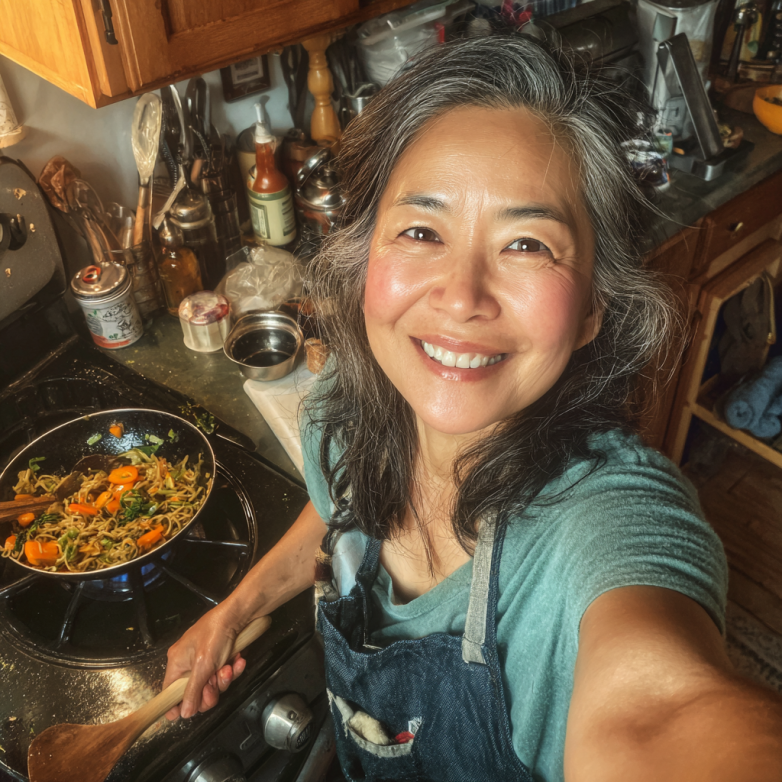
Hi, I’m Olivia Chen-Williams, a professional chef, cooking instructor, and the founder of Turn Around At 50. For nearly three decades, my life has revolved around kitchens. Not the quiet, romantic kind, but the real ones. Hot, loud, demanding, and deeply alive.