
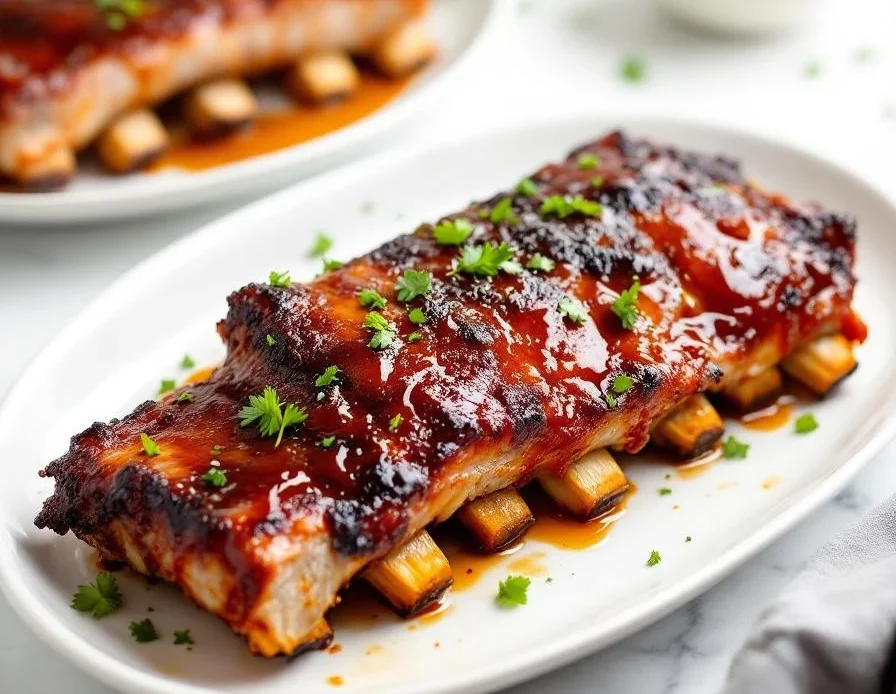
Making smoked pork ribs starts with the rough prep—pulling the membrane off the back, then massaging a thick layer of rub into every crevice. The smell of paprika, cayenne, and salt fills the air as you work it in, sticky and coarse under your fingers.
Once on the smoker, you’ll be adjusting the vents and checking the smoke billow, which is thick and bluish at first. It’s a long haul—hours of patience, with the meat slowly absorbing smoke, developing a bark that crackles when you cut into it.
The crackle of the bark as you slice into the ribs, revealing that sticky, smoky interior.
Key Ingredients and Substitutes
- Pork ribs: I like getting a good rack with plenty of meat and a bit of fat. You can swap for beef short ribs, but the smoke flavor will be different and a bit leaner.
- Rub ingredients: Paprika, salt, sugar, cayenne—these are my base. Swap in chili powder or smoked paprika for a different smoky kick or skip the sugar if you prefer less sweetness.
- Apple wood chips: I use these for a mild, sweet smoke that complements the pork’s richness. Hickory or cherry wood work well too; avoid mesquite if you want a subtler flavor.
- Vinegar spray: I keep a spray bottle with apple cider vinegar to spritz during smoking. Lemon juice or a mix of vinegar and water can brighten the meat without overpowering.
- Barbecue sauce: Thick, sticky, tangy—my go-to is a vinegar-based sauce. You can skip sauce altogether or use a spicy mustard for a sharper contrast.
- Aluminum foil: To wrap the ribs mid-smoke, trapping moisture. Use butcher paper if you prefer a crisper bark, but foil keeps them juicy and tender.
- Water pan: I place a pan beneath the ribs to maintain humidity. You could fill it with beer or apple juice for an extra flavor layer—just keep it topped up.
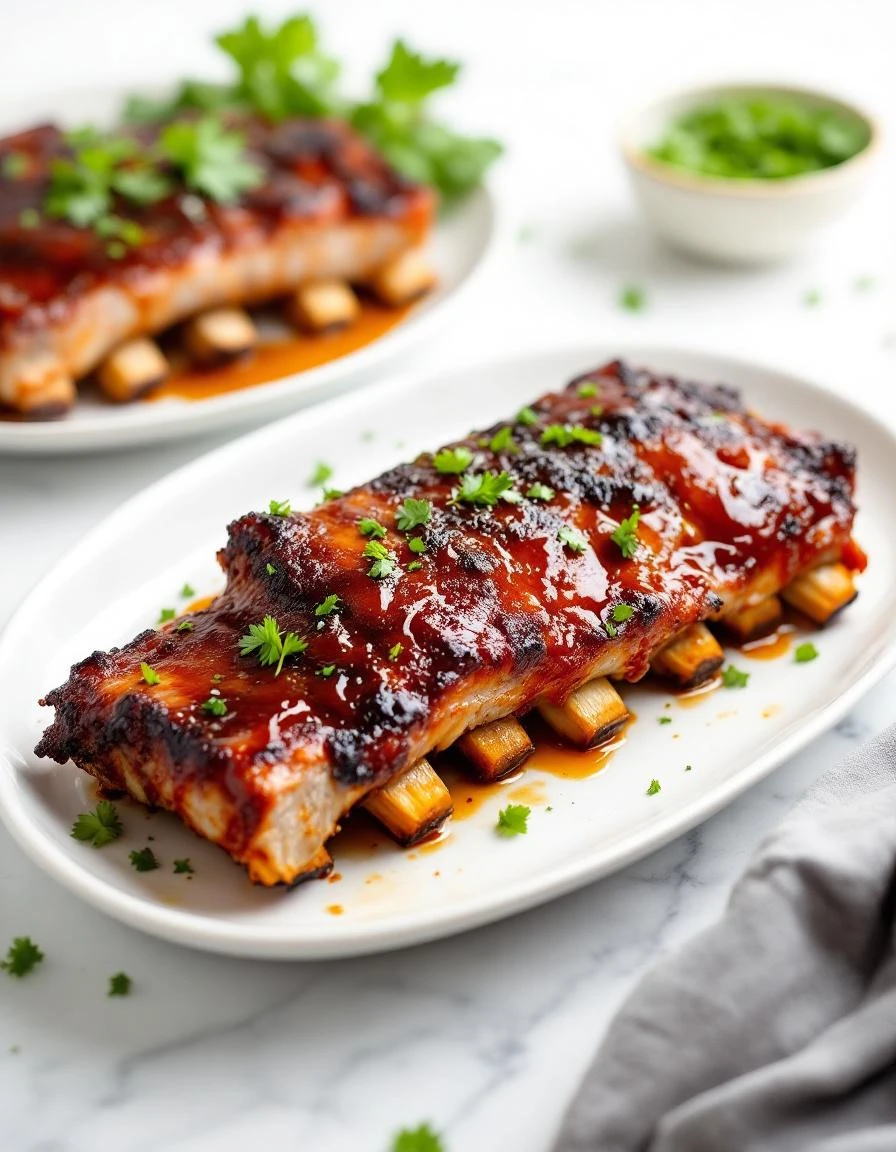
Smoked Pork Ribs
Ingredients
Equipment
Method
- Start by removing the thin membrane from the back of the ribs using a paper towel to grip and peel it off, ensuring a more tender final result.
- Mix paprika, salt, sugar, and cayenne pepper together to create a flavorful dry rub, then massage it thoroughly into every crevice of the ribs, coating them evenly with a sticky, aromatic layer.
- Place the ribs on a tray and let them sit at room temperature while you prepare your smoker, ensuring the meat absorbs the flavors.
- Preheat your smoker to about 225°F (107°C) and add apple wood chips to the smoking box or directly onto the coals, creating thick bluish smoke that fills the air with a sweet aroma.
- Place a water pan beneath the ribs to maintain humidity, filling it with water or a flavorful alternative like apple juice, and position the ribs on the smoker rack with the meaty side up.
- Spritz the ribs with the vinegar mixture every hour to keep the meat moist and help build a shiny, flavorful bark as they smoke for about 3 to 4 hours, adjusting vents as needed to maintain steady smoke flow.
- Wrap the ribs tightly in foil once the bark has developed a deep mahogany color and the meat begins to pull back from the bones, which usually takes about 3 hours.
- Continue to smoke the wrapped ribs for another 1 to 2 hours, maintaining the temperature and ensuring the meat becomes tender and juicy.
- Remove the foil and insert a meat thermometer into the thickest part of the meat; once it reaches about 190°F (88°C), the ribs are ready to serve with a tender, fall-off-the-bone texture and a smoky, crackling bark.
- Let the ribs rest for a few minutes, then slice between the bones to reveal the juicy, smoky interior, ready to serve with your favorite sides or barbecue sauce.
Common Mistakes and How to Fix Them
- FORGOT to remove the membrane? Use a paper towel to grip and peel it off firmly.
- DUMPED too much wood chips? Use a handful at a time and replenish as needed.
- OVER-TORCHED the ribs? Lower the heat and wrap in foil to prevent burning.
- MISSED the temperature target? Use a reliable meat thermometer and aim for 190°F for tenderness.
Make-Ahead and Storage Tips
- You can prep the ribs a day ahead—remove the membrane and coat with rub. Wrap tightly and chill overnight.
- Fridge life for seasoned ribs is up to 24 hours without losing flavor or texture. Keep them well wrapped.
- Frozen ribs hold well for 2-3 months. Thaw in the fridge overnight before smoking.
- The smoky flavor intensifies as leftovers sit; reheated ribs may be slightly bolder in aroma.
- Reheat in the oven wrapped in foil at 250°F, checking every 20 minutes until warmed through with a slightly sticky surface.
FAQs
1. How do I know when the ribs are done?
The ribs should feel tender but still have some resistance when you bite into them, with a smoky aroma filling your nose.
2. What should I smell when they’re ready?
Look for a deep, mahogany bark and a slight pull-back from the bones. The meat should be juicy and fragrant with smoke.
3. Why are my ribs dry or tough?
If the ribs are dry or tough, they might have cooked too long or at too high a heat. Wrap in foil and lower the heat to fix it.
4. How do I reheat smoked ribs without drying them out?
Reheating in a low oven wrapped in foil preserves moisture. Expect the smoky scent to bloom again and the bark to soften slightly.
5. What temperature should I aim for?
Using a thermometer helps. Look for about 190°F in the thickest part for a tender, fall-off-the-bone texture with a smoky punch.

Hi, I’m Olivia Chen-Williams, a professional chef, cooking instructor, and the founder of Turn Around At 50. For nearly three decades, my life has revolved around kitchens. Not the quiet, romantic kind, but the real ones. Hot, loud, demanding, and deeply alive.