
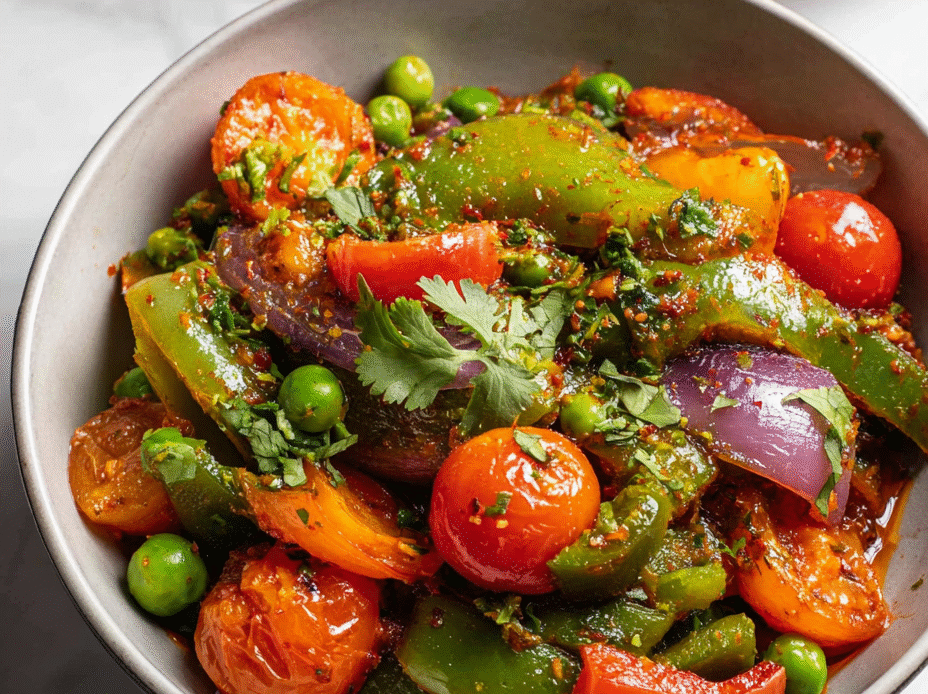
Vegetable Kadai is a dish that feels like a gentle rebellion against the usual. It’s about balancing the fiery kick of spices with just a hint of sweetness, creating a layered flavor that’s both comforting and exciting. I love how a few tweaks here and there can turn everyday vegetables into something that feels special, almost celebratory, even on a regular weeknight.
This recipe isn’t about perfection or strict rules. It’s about paying attention to how the spices bloom, how the vegetables soften and release their aroma, and how a splash of fresh coriander can lift everything. It’s a dish that invites you to be a little playful and trust your instincts, especially when you’re trying to tame the heat or bring out a smoky undertone.
In a world full of quick fixes and canned shortcuts, Vegetable Kadai reminds me of the joy in slow, mindful cooking. It’s a dish that makes me pause, smell, taste, and adjust. And in those small moments, I find a quiet satisfaction that lingers long after the last spoonful.
Choosing to focus on the forgotten art of balancing spice and sweetness in Vegetable Kadai, this recipe aims to highlight how subtle adjustments can transform a simple vegetable stir-fry into a vibrant, layered dish that sings with complexity, even when made in a humble home kitchen.
Balancing Spice and Sweetness
- Cooking this dish reminds me of lazy Sunday afternoons, where the smell of spices fills the air and makes everything feel homey.
- I used to think balancing the heat and sweetness was tricky, but now I see it’s just about trusting your palate and tasting as you go.
- There’s a quiet pride in turning simple vegetables into a colorful, fragrant stew that’s both satisfying and nostalgic.
- Every time I make Vegetable Kadai, I feel a little more connected to my roots and the slow, soulful art of Indian cooking.
- It’s odd how a dish with humble ingredients can evoke such warmth and a sense of celebration.
The story behind this recipe
- This Vegetable Kadai recipe came out of a lazy afternoon craving. I wanted something hearty but layered, with a little smoky edge I couldn’t quite get from the usual stir-fry. One day, I tossed together a mishmash of vegetables, experimenting with spices I had on hand, and the result was unexpectedly vibrant and comforting. Since then, I’ve been hooked on dialing in that perfect balance of heat, sweetness, and smoky aroma.
- It’s funny how a dish like this can become a little ritual—gathering vegetables, adjusting spices, tasting as I go. Each batch feels like a small victory, especially when I nail that tender-crisp crunch of the peppers or the deep, roasted undertone of cumin. Over time, I learned that the magic is in the slow blooming of spices and respecting each vegetable’s personality—lettuce it shine, but don’t overpower.
- heading
- story_type
Trivia & Historical Notes
- Vegetable Kadai has roots in North Indian cuisine but has been embraced and adapted across India for its vibrant spices and adaptable ingredients.
- The dish’s name, ‘Kadai,’ refers to the traditional Indian wok-style pan it’s cooked in, which helps develop a smoky, charred flavor that’s signature to the dish.
- Historically, Kadai dishes were a quick, flavorful way to use seasonal vegetables and leftovers, turning them into a lively, aromatic meal.
- In many households, Vegetable Kadai became a staple during festivals and family gatherings, symbolizing warmth and shared joy over a spicy, colorful plate.
Ingredient breakdown: key components
- Bell peppers: I love the crunch and sweetness they bring, especially when charred slightly for smoky depth. Swap for zucchini if you prefer a milder, softer bite.
- Tomatoes: Their juicy tang balances the spices beautifully; I prefer ripe, heirloom tomatoes for that oozy, vibrant flavor. Use canned diced if fresh aren’t available, but adjust cooking time.
- Onions: They form the aromatic base, slowly caramelized until golden and sweet. Red onions give a sharper bite—consider yellow for mellow sweetness.
- Ginger and garlic: They add that punchy, fragrant warmth. Fresh is best, but garlic powder works in a pinch—just halve the quantity to avoid overpowering.
- Spice blend: A mix of coriander, cumin, and garam masala. I toast spices first for a smoky aroma that fills the kitchen—skip this step if you’re in a rush, but the flavor suffers.
- Oil: I use vegetable or mustard oil for that subtle pungency and rich mouthfeel. Light olive oil can work but won’t develop the same depth; avoid butter here, it’s too rich for this dish.
- Fresh coriander: I toss it in at the end for a bright, lemony burst. Dried coriander isn’t quite the same—try chopped fresh parsley as a mild substitute if needed.
Spotlight on key ingredients
Bell peppers:
- I love how their crispness and sweetness contrast with the smoky spices, especially when charred slightly for depth. Swap for zucchini if you prefer a milder, softer bite.
- Tomatoes: Their juicy tang balances the spices beautifully; I prefer ripe, heirloom tomatoes for that oozy, vibrant flavor. Use canned diced if fresh aren’t available, but adjust cooking time.
- Onions: They form the aromatic base, slowly caramelized until golden and sweet. Red onions give a sharper bite—consider yellow for mellow sweetness.
Tomatoes:
- Juicy and tangy, they release a vibrant, slightly sweet aroma as they cook, creating a rich, thick sauce. Opt for ripe, fresh ones for the best flavor, or canned for convenience.
- Onions: They melt into the oil, turning translucent and then golden, filling the kitchen with a sweet, savory smell that anchors the dish’s layers.
Notes for ingredient swaps
- Dairy-Free: Use coconut milk or omit yogurt for a creamy texture without dairy. The dish will have a slightly sweeter, coconut aroma.
- Vegetable Variations: Swap bell peppers for zucchini or eggplant if you prefer softer, milder flavors that absorb spices differently.
- Fresh vs. Canned Tomatoes: Fresh tomatoes bring a bright, tangy flavor, while canned diced are more consistent and convenient, especially in winter.
- Oil Choices: Mustard or ghee adds a richer, more pungent note, while light olive oil keeps it milder. Avoid butter, as it can overpower the spices.
- Spice Mixes: If you don’t have garam masala, a pinch of curry powder works, but it changes the flavor profile slightly—more earthy and less smoky.
- Heat Level: Use fewer green chilies for milder heat or add a dash of red chili powder for a deeper, smoky spice. Adjust to your taste.
- Herb Garnish: Parsley can replace coriander for a milder, fresh herbal note if you’re not a fan of cilantro.
Equipment & Tools
- Wok or large skillet: Even heat distribution for sautéing and searing vegetables.
- Chopping board and knife: Prepping vegetables and aromatics efficiently.
- Spatula or wooden spoon: Stirring and turning ingredients gently.
- Measuring spoons and cups: Ensuring accurate spice and liquid quantities.
Step-by-step guide to Vegetable Kadai
- Equip your wok or large skillet—preferably non-stick or cast iron—so you get a good sear and even heat distribution. Have your chopping board, knife, and spatula ready.
- Heat 2 tbsp vegetable oil over medium-high heat (about 180°C / 356°F). When shimmering, add 1 tsp cumin seeds. Crackle should be loud and aromatic, about 30 seconds.
- Add 1 large diced onion (about 150g). Stir and cook until translucent, around 3-4 minutes. It should smell sweet and slightly caramelized at the edges.
- Toss in 1 tbsp grated ginger and 2 minced garlic cloves. Sizzle for 30 seconds—look for a fragrant, warm aroma. If it burns, lower the heat.
- Add 1 chopped bell pepper, 1 diced tomato, and 1 sliced green chili (optional). Cook for 5-6 minutes until vegetables soften and tomatoes release juice, bubbling gently. Vegetables should be tender-crisp, with some charring on the peppers.
- Stir in 1 tsp ground coriander, 1 tsp cumin powder, and ½ tsp garam masala. Cook for 1 minute until spices bloom and smell nutty and smoky. If spices burn, add a splash of water.
- Pour in ½ cup water or vegetable stock to loosen the mixture. Let it simmer for 2 minutes, allowing flavors to meld. The sauce should thicken slightly and coat the vegetables well.
- Season with salt and freshly ground black pepper to taste. Add a squeeze of lemon juice for brightness, if desired. Taste and adjust spice levels as needed.
- Finish by scattering chopped fresh coriander (cilantro) over the top. Turn off heat and let the dish rest uncovered for 2 minutes to allow flavors to settle.
- Serve hot, ideally with warm naan or steamed rice. The texture should be vibrant, with vegetables tender but still holding a gentle bite, and a fragrant, spicy aroma filling the air.
Once cooked, turn off heat and sprinkle fresh coriander. Let it rest uncovered for 2 minutes to deepen flavors. Serve immediately with rice or bread, ensuring vegetables retain their vibrant color and aroma.
How to Know It’s Done
- Vegetables are tender yet crisp, with charred bits for smoky flavor.
- Spice aroma is fragrant and well-rounded, not burnt or raw.
- Sauce has thickened slightly, coating vegetables evenly without being watery.
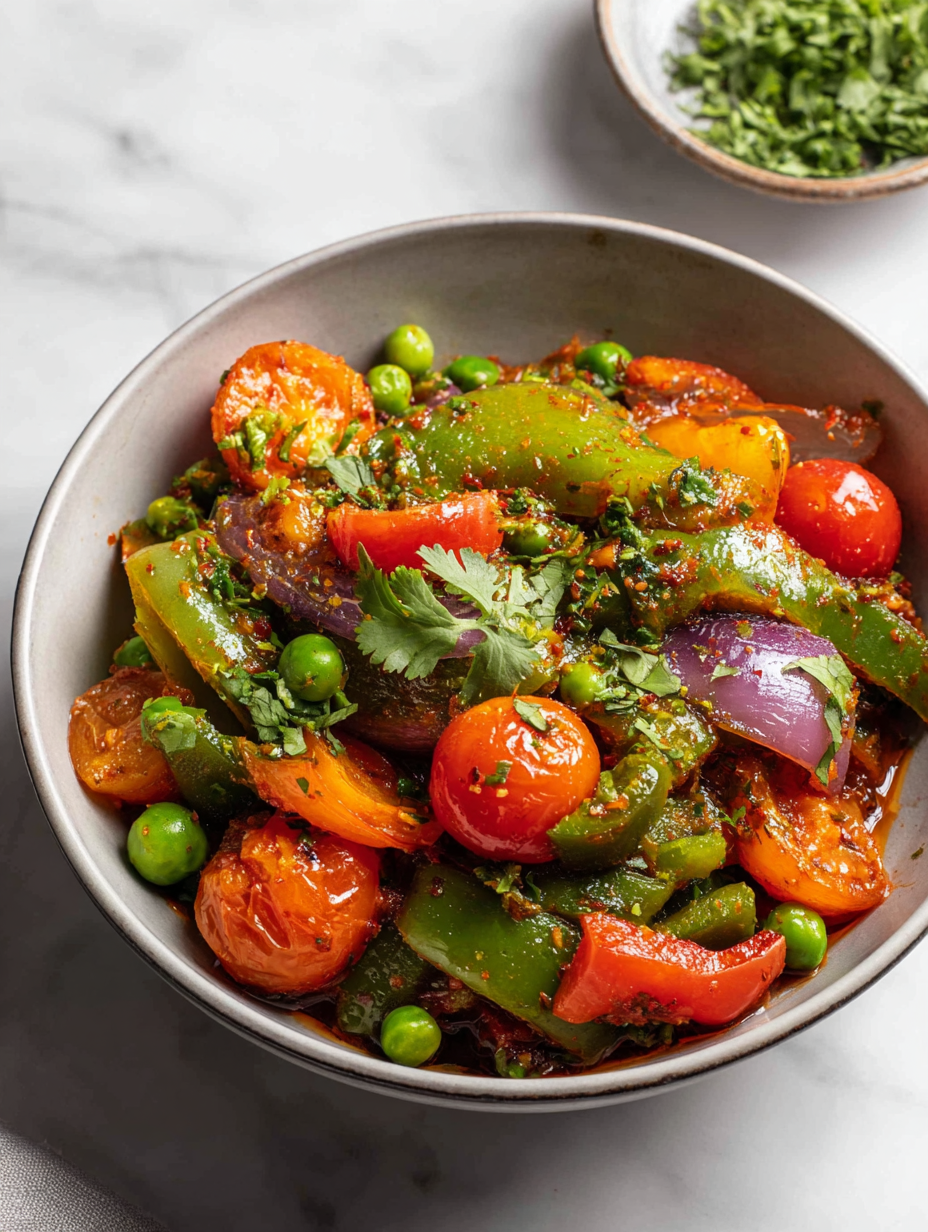
Vegetable Kadai
Ingredients
Equipment
Method
- Heat a wok or large skillet over medium-high heat and add the vegetable oil. When shimmering, toss in the cumin seeds and let them crackle for about 30 seconds, releasing a fragrant aroma.
- Add the diced onion and cook, stirring frequently, until translucent and just starting to turn golden, about 3-4 minutes. The smell should turn sweet and savory as the onions soften.
- Stir in the grated ginger and minced garlic, cooking for about 30 seconds until fragrant. You’ll notice a warm aroma filling the air, signaling the spices are blooming.
- Add the chopped bell pepper and diced tomato to the pan. Cook for 5-6 minutes, stirring occasionally, until the vegetables are tender-crisp and the tomato has released its juices, bubbling gently.
- Stir in the ground coriander, cumin powder, and garam masala. Toast the spices for about 1 minute, allowing their aroma to intensify and the spices to bloom, coating the vegetables evenly.
- Pour in water or vegetable stock, stirring to loosen the mixture and create a sauce. Reduce the heat to medium and let it simmer for 2-3 minutes, allowing the flavors to meld and the sauce to thicken slightly.
- Season with salt and pepper to taste. For brightness, add a squeeze of lemon juice if desired. Give everything a gentle stir to combine.
- Turn off the heat and sprinkle the chopped fresh coriander over the top. Let the dish rest uncovered for 2 minutes to allow the flavors to settle and deepen.
- Serve your Vegetable Kadai hot with steamed rice or warm naan, enjoying the vibrant colors, fragrant spices, and balanced textures.
Pro tips for perfect Vegetable Kadai
- Bolded Mini-Head: Use high heat to quickly sear vegetables, locking in flavor and color.
- Bolded Mini-Head: Toast your spices in oil early to release their full aromatic potential.
- Bolded Mini-Head: Stir frequently when cooking onions to prevent burning and develop sweetness.
- Bolded Mini-Head: Add a splash of water when spices stick to the pan to prevent scorching and enhance aroma.
- Bolded Mini-Head: Finish with fresh coriander for a bright, fragrant burst that balances spice heat.
- Bolded Mini-Head: Let the dish rest uncovered for a couple of minutes to deepen the flavors before serving.
Common mistakes and how to fix them
- FORGOT to adjust heat, vegetables burn and turn bitter. Lower heat and cook slowly.
- DUMPED spices too early, losing aroma. Toast spices first for full flavor.
- OVER-TORCHED oil, smoky bitterness. Use medium heat and stir constantly.
- UNDERSALTED the dish, it tastes flat. Taste and add salt at the end for balance.
Quick Fixes & Pantry Swaps
- When spices burn, splash a bit of water to cool and release aroma.
- If vegetables stick or burn, patch with a splash of oil and stir gently.
- Splash lemon juice when sauce seems dull to brighten flavors and shimmer.
- Shield overcooked vegetables with a lid, then quick fry for crispness.
- When out of fresh herbs, swap with dried ones—use half the amount to avoid overpowering.
Prep, store, and reheat tips
- Chop vegetables and aromatics a day in advance; store in airtight containers in the fridge for up to 24 hours. The fresh smell will be preserved, and you’ll save cooking time.
- The cooked dish can be refrigerated for 2-3 days. Reheat gently on the stovetop over medium heat, stirring occasionally, until fragrant and bubbling—look for steam and aroma resurgence.
- For longer storage, freeze portions in freezer-safe containers for up to 2 months. Expect some minor texture change, but the flavors will still shine after reheating.
- Reheating may dull some of the fresh aroma—brighten it by adding a splash of lemon juice or fresh coriander just before serving. The dish should shimmer with a vibrant, spicy scent.
Questions About Vegetable Kadai
1. Can I use canned tomatoes instead of fresh?
Use fresh, ripe tomatoes for a juicy, tangy flavor that adds brightness to the dish. Canned diced tomatoes work well too if fresh aren’t available, especially in winter, but adjust cooking time for extra softness.
2. Can I substitute bell peppers?
Absolutely. Bell peppers can be swapped for zucchini or eggplant if you prefer softer, milder vegetables. Just keep in mind they may cook slightly differently and change the texture.
3. How do I adjust the spice level?
Yes. If you want a milder heat, reduce green chilies or omit them. For more spice, add a pinch of red chili powder or extra green chilies, tasting as you go.
4. What equipment is best for cooking?
Use a heavy-bottomed pan or wok to ensure even heat and good searing. A cast iron skillet is ideal for developing smoky flavor and preventing sticking.
5. How long should I cook the onions?
Cook the onions until they are golden and sweet, about 3-4 minutes on medium heat. Overcooking will make them bitter, so keep an eye on their color and smell.
6. Can I skip the coriander garnish?
Finish with fresh coriander for a bright, lemony aroma that balances the spices. Dried coriander can work as a mild substitute, but it won’t have the same fresh punch.
7. How should I store leftovers?
Refrigerate leftovers in an airtight container for up to 3 days. Reheat gently on the stove until steaming and fragrant, adding a splash of water if it thickens too much.
8. Can I freeze Vegetable Kadai?
Yes, you can freeze this dish for up to 2 months. Thaw overnight in the fridge and reheat slowly on the stove, expecting some minor texture change but full flavor.
9. How do I enhance the flavor after cooking?
Add a splash of lemon juice or fresh herbs just before serving to brighten the flavors. Let it sit for a couple of minutes to deepen the aroma and balance the spices.
10. What if spices burn during cooking?
If spices stick or burn, splash a little water or stock into the pan and stir gently. This cools the spices and releases their aroma without bitterness.
Cooking this Vegetable Kadai reminds me how simple ingredients can come together into something unexpectedly vibrant. It’s a dish that makes me pause and really notice the aroma of spices and the colorful vegetables simmering in harmony.
In a way, it’s a gentle reminder to slow down and enjoy the process—tasting, adjusting, and appreciating the layers of flavor. It’s a humble, honest dish that feels like a small act of care, especially in busy times.

Hi, I’m Olivia Chen-Williams, a professional chef, cooking instructor, and the founder of Turn Around At 50. For nearly three decades, my life has revolved around kitchens. Not the quiet, romantic kind, but the real ones. Hot, loud, demanding, and deeply alive.